Should I Clean Old Coins Before Selling Them? What Coin Owners Need to Know
Should I Clean Old Coins Before Selling Them? What Coin Owners Need to Know

If you've discovered old silver dollars, inherited a coin collection, or found tarnished coins tucked away in storage, you may be tempted to clean them before selling.
After all, a bright, shiny coin might seem more valuable than one showing decades of age.
But from a coin-collecting perspective, cleaning old coins can actually reduce their value.
Many collectors place significant importance on original surfaces, natural toning, and the absence of scratches or chemical alterations.
At St. Louis Gold Buyers & Jewelry Center, we encourage customers to understand what they own before cleaning, polishing, or altering old coins.
Whether you're selling Morgan silver dollars, Peace dollars, gold coins, silver quarters, or an inherited collection, here's what you should know.
Why Shouldn't You Clean Old Coins?
Many collectible coins are valued partly according to their original condition.
Cleaning can permanently change that condition.
When someone polishes a silver coin, rubs away tarnish, or uses chemicals to brighten the surface, they may remove or alter characteristics that collectors consider important.
Potential damage includes:
- Fine scratches
- Removed original toning
- Altered surface texture
- Uneven or artificial brightness
- Chemical discoloration
- Loss of original mint luster
- Residue from cleaning products
A cleaned coin may still contain the same amount of precious metal, but its collectible appeal can decline.
This is especially important for potentially rare coins.
Can Cleaning Really Reduce a Coin's Value?
Yes.
Consider two examples of the same date and mint mark.
One coin has original surfaces and natural toning.
The other has been aggressively polished, leaving noticeable scratches and an unnatural shine.
Even if both contain the same amount of silver, collectors may prefer the uncleaned coin.
In some circumstances, improper cleaning can cause a coin to receive a details designation rather than an ordinary numerical grade from a grading service.
That distinction may affect marketability and resale price.
Professional Coin Grading Service specifically cautions collectors against cleaning coins themselves. Its educational article, Come Clean About Cleaning Your Coins, explains why cleaning damage can affect grading and value.
What Is Natural Coin Toning?
Toning refers to surface coloration that develops through chemical reactions over time.
Silver coins, for example, may develop gray, blue, gold, brown, or multicolored tones depending on their storage conditions and environment.
Some collectors appreciate attractive natural toning.
Others prefer coins with lighter, more uniform surfaces.
The important point is that dark or tarnished does not automatically mean damaged or worthless.
A naturally toned coin may be more desirable than an otherwise similar coin that has been improperly cleaned.
Which Cleaning Methods Should You Avoid?
When dealing with potentially collectible coins, avoid common household cleaning methods.
Silver Polish
Polish can remove surface material and leave evidence of abrasion.
Toothpaste
Toothpaste often contains abrasives that can create fine scratches.
Baking Soda
Baking soda can abrade coin surfaces when used for rubbing or scrubbing.
Vinegar and Other Acids
Acidic solutions can alter the metal surface and cause irreversible damage.
Wire Brushes and Scrubbing Pads
These can leave obvious scratches and substantially reduce collector appeal.
Chemical Coin Dips
Improper use can alter surfaces and remove original characteristics.
Ultrasonic Cleaners
Do not assume that a cleaning method suitable for certain jewelry is appropriate for collectible coins.
If you're unsure whether a coin is rare, the safest general approach is to leave it alone until a qualified specialist evaluates it.
Do Gold Coins Need Cleaning Before Selling?
Generally, no.
Gold coins can accumulate fingerprints, surface residue, or other signs of handling.
Although gold is resistant to many forms of corrosion, collectible gold coins are still vulnerable to scratching and surface damage.
Historic gold coins may have value beyond their metal content.
Cleaning a rare or high-grade gold coin can compromise that additional value.
For common bullion coins, surface condition may have less influence on value than it does for scarce numismatic coins, but cleaning is still usually unnecessary.
Avoid attempting to improve a gold coin's appearance simply to prepare it for sale.
What About Morgan and Peace Silver Dollars?
Original Morgan and Peace silver dollars are popular with collectors.
Many contain approximately 0.7734 troy ounces of pure silver, but their total value may also depend on date, mint mark, condition, and collector demand.
Some common circulated examples are valued relatively close to their bullion-related value plus an applicable premium.
Others may be substantially more collectible.
If you find old Morgan or Peace dollars with dark surfaces, do not assume they need polishing.
A knowledgeable buyer or numismatic specialist can help determine whether they deserve additional examination.
For more information, read our Guide to Selling Silver Coins in St. Louis.
Should You Clean Old Coins Found in an Estate?
No, not before establishing what they are.
Inherited collections may contain:
- Common silver coins
- Morgan and Peace dollars
- Historic gold coins
- Rare dates
- Proof coins
- Professionally graded coins
- Bullion and commemorative issues
Some may have little collectible value, while others may command meaningful premiums.
Since you may not know which coins are important, cleaning the entire collection can be particularly risky.
Leave coins in their existing albums, holders, or protective cases whenever possible.
See our Beginner's Guide to Gold & Silver Coins for additional identification advice.
How Should You Safely Handle Old Coins?
A few careful handling practices can help protect your coins.
Hold Coins by Their Edges
Avoid touching the front and back surfaces whenever practical.
Use a Clean, Soft Surface
Place coins on a suitable clean surface to help reduce accidental damage.
Avoid Unnecessary Handling
Repeated handling increases the opportunity for fingerprints, scratches, or accidental drops.
Keep Protective Holders
Original packaging and certified holders can provide useful protection.
Store in Appropriate Materials
Use coin-safe holders rather than unknown plastics or materials that may damage coin surfaces over time.
If coins show severe corrosion, environmental damage, or concerning residue, consult a qualified conservation professional rather than attempting a home cleaning method.
Can Professionals Safely Restore Some Coins?
In certain circumstances, professional conservation may help address specific surface contaminants or environmental problems.
However, professional conservation is not the same as polishing or scrubbing coins at home.
Specialists evaluate whether treatment is appropriate and whether it could damage the coin.
Some surface problems cannot be reversed.
For potentially valuable coins, ask a qualified numismatic professional whether conservation would be beneficial before proceeding.
Our article What Are the Major Coin Grading Companies? explains how professional grading fits into coin evaluation.
Does Cleaning Affect Silver Melt Value?
Cleaning generally does not eliminate the underlying silver content of a coin, although aggressive cleaning can remove some metal.
If a common silver coin is being purchased primarily for its precious-metal content, surface appearance may be less important than actual silver weight and purity.
However, a coin with collector value may lose an important premium after cleaning.
Since the difference isn't always obvious, it is usually better to preserve the coin first and determine its value before making any changes.
Where Can I Sell Old Coins Without Cleaning Them?
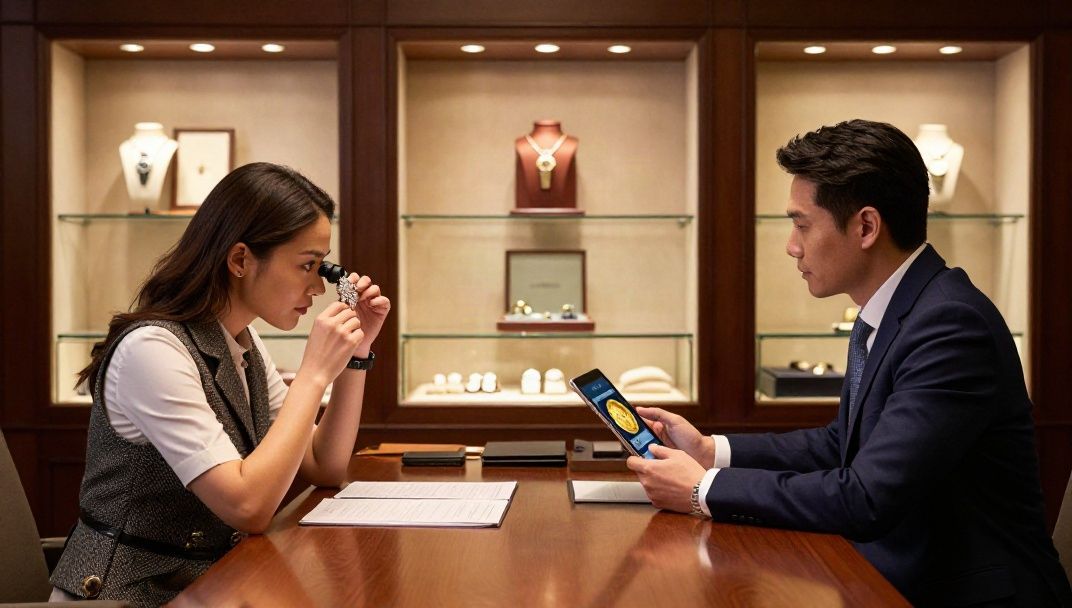
At St. Louis Gold Buyers & Jewelry Center, customers can bring eligible gold and silver coins in their existing condition for a free purchase evaluation.
There's no need to polish coins before visiting.
We consider relevant precious-metal characteristics and explain the factors affecting the purchase offer.
For potentially rare or unusual coins, additional numismatic assessment may be advisable.
Learn more about our precious-metal purchasing services, silver-buying services, and Where to Sell Old Coins in St. Louis.
Frequently Asked Questions
Should I clean silver dollars before selling them?
Generally, no. Cleaning can damage the original surfaces and potentially reduce collector value.
Will polishing make my old coins worth more?
Not necessarily. In many cases, improper polishing makes collectible coins less desirable.
Are tarnished silver coins worth money?
Yes. Tarnish does not eliminate a coin's precious-metal content, and some naturally toned coins are attractive to collectors.
Can I clean old coins with vinegar or baking soda?
These methods can damage the coin's surface and are not recommended for potentially collectible coins.
Are cleaned coins worthless?
No. They may retain precious-metal value or some collectible value, but cleaning can reduce premiums.
Should I clean old gold coins?
Generally, no. Gold coins can have collectible value beyond their metal content, and cleaning may harm that value.
Do I need to clean coins before bringing them to your store?
No. Bring eligible coins in their current condition. Our team can examine them without requiring prior cleaning.
Conclusion: Leave Your Coins As They Are Before Selling
If you're wondering whether to clean old coins before selling them, the safest general advice is don't clean them.
A coin that looks dull, dark, or aged may still have substantial precious-metal or collectible value.
Improper cleaning can permanently change its original surfaces and potentially reduce what collectors are willing to pay.
At St. Louis Gold Buyers & Jewelry Center, we welcome customers with eligible gold coins, silver coins, bullion, and precious-metal collections in their existing condition.
Our store offers free purchase evaluations, convenient customer parking, and walk-in service during regular weekday hours.
Bring your coins as they are and learn what they may be worth before making changes.
St. Louis Gold Buyers & Jewelry Center
9814 St. Charles Rock Road
St. Ann, MO 63074
Phone: (314) 427-4653