Estate Buyer vs. Jewelry Buyer: Who Should Evaluate an Estate Collection in St. Louis?
Estate Buyer vs. Jewelry Buyer: Who Should Evaluate an Estate Collection in St. Louis?
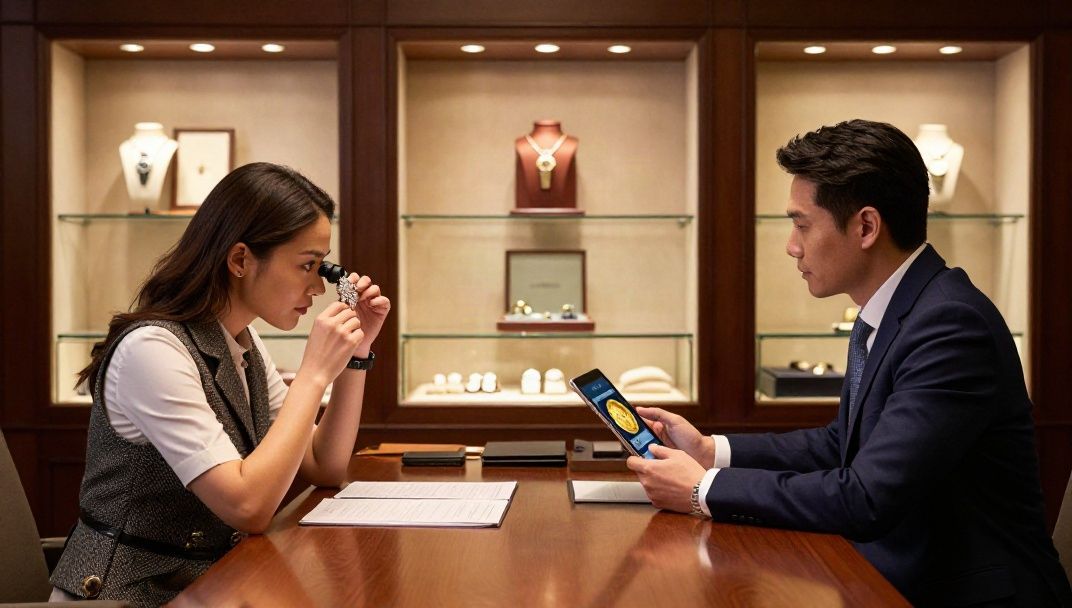
If you've inherited jewelry, gold, silver, coins, watches, or other valuables, deciding who should evaluate the collection is an important first step.
Should you contact an estate buyer, jewelry buyer, auction house, or precious-metal dealer?
The answer depends on what the collection contains and what you're hoping to accomplish.
At St. Louis Gold Buyers & Jewelry Center, we help families throughout the St. Louis area evaluate eligible estate jewelry, diamonds, gold and silver coins, watches, sterling silver, and other precious-metal valuables.
Understanding the differences between buyer types can help you avoid overlooking valuable items or accepting an offer without knowing how it was determined.
What Does an Estate Buyer Do?
An estate buyer purchases previously owned valuables, often from inherited property or individuals downsizing their belongings.
However, estate buyers have different specialties.
Some focus on complete household contents, including:
- Furniture
- Antiques
- Artwork
- Collectibles
- Decorative objects
- Household merchandise
Others focus specifically on valuable jewelry, precious metals, coins, and watches.
A full-service estate liquidation company may organize and sell many kinds of household belongings in one transaction or through an estate sale.
For a home containing furniture, artwork, ordinary household goods, and miscellaneous collectibles, that may be a practical option.
What Does a Jewelry Buyer Do?
A specialized jewelry buyer focuses on identifying and purchasing jewelry and related valuables.
These may include:
- Gold rings and necklaces
- Diamond engagement rings
- Platinum jewelry
- Sterling silver jewelry
- Designer jewelry
- Vintage and antique jewelry
- Broken or scrap gold
- Luxury watches
- Certain coins and bullion
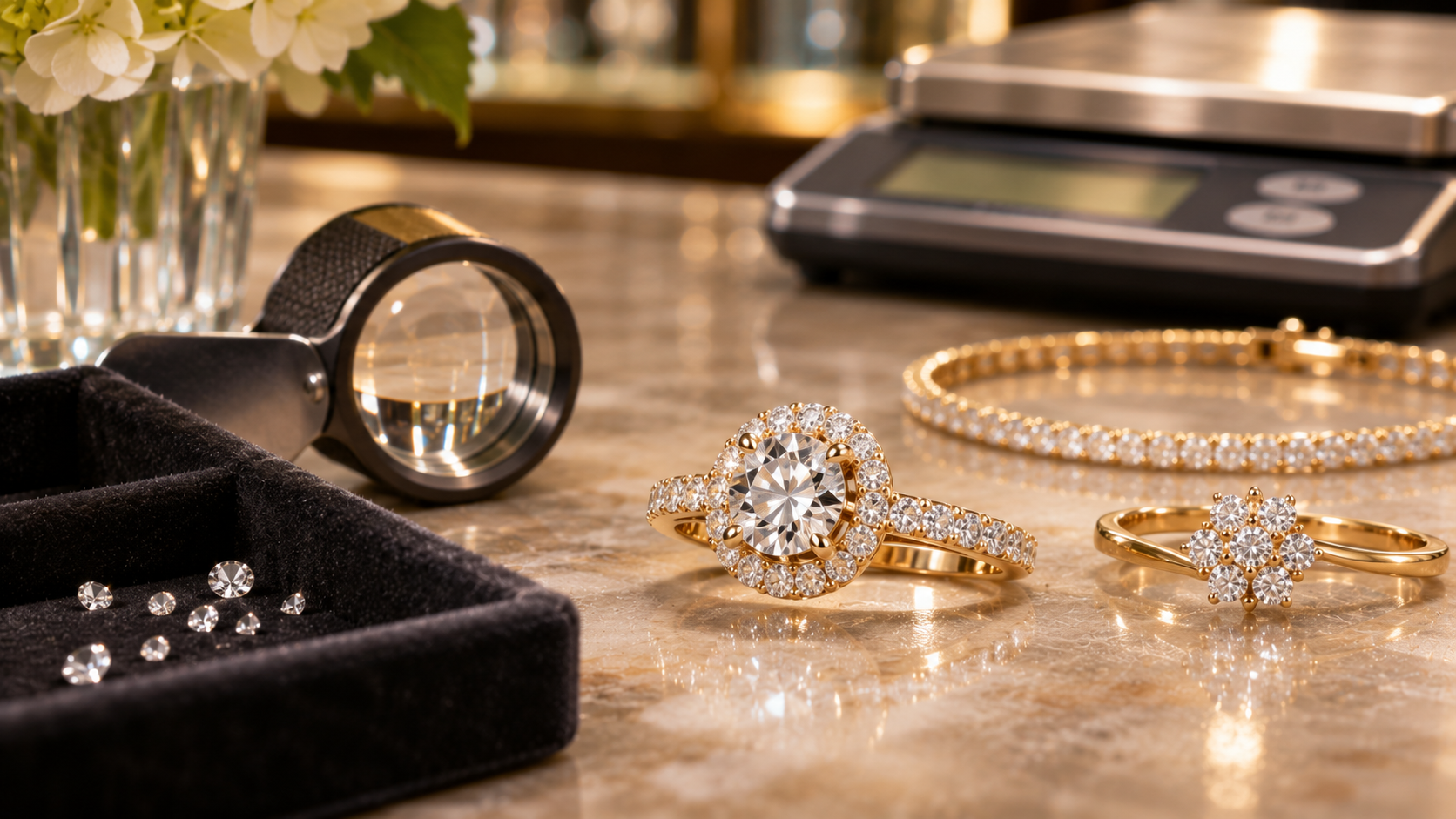
A knowledgeable jewelry buyer should examine the item's actual characteristics rather than assuming every piece is valuable only for its weight.
For example, a broken 14K gold chain may be worth primarily its recoverable precious-metal content.
An authenticated designer bracelet or high-quality diamond ring may have additional resale value beyond the gold or platinum setting.
Our guide How Much Is My Jewelry Worth? explains how these factors influence purchase offers.
Estate Buyer vs. Jewelry Buyer: What's the Difference?
ConsiderationGeneral Estate BuyerSpecialized Jewelry BuyerHousehold furnitureOftenGenerally not the focusFine jewelryDepends on expertiseCore categoryGold and silver testingVariesCommon specialtyDiamonds and gemstonesVariesCommon specialtyDesigner jewelryVariesMay assess resale potentialCoins and bullionVariesDepends on specialtyWhole-house liquidationOften availableGenerally not offered
Neither option is automatically better for every estate.
A large household estate may benefit from full-service liquidation.
A smaller collection of gold, diamonds, sterling silver, and watches may benefit from direct evaluation by an experienced jewelry and precious-metal buyer.
Why Should Estate Jewelry Be Evaluated Separately?
Jewelry can contain several different sources of value.
Precious-Metal Value
Gold, silver, platinum, and palladium may have significant recoverable material value.
Diamond and Gemstone Value
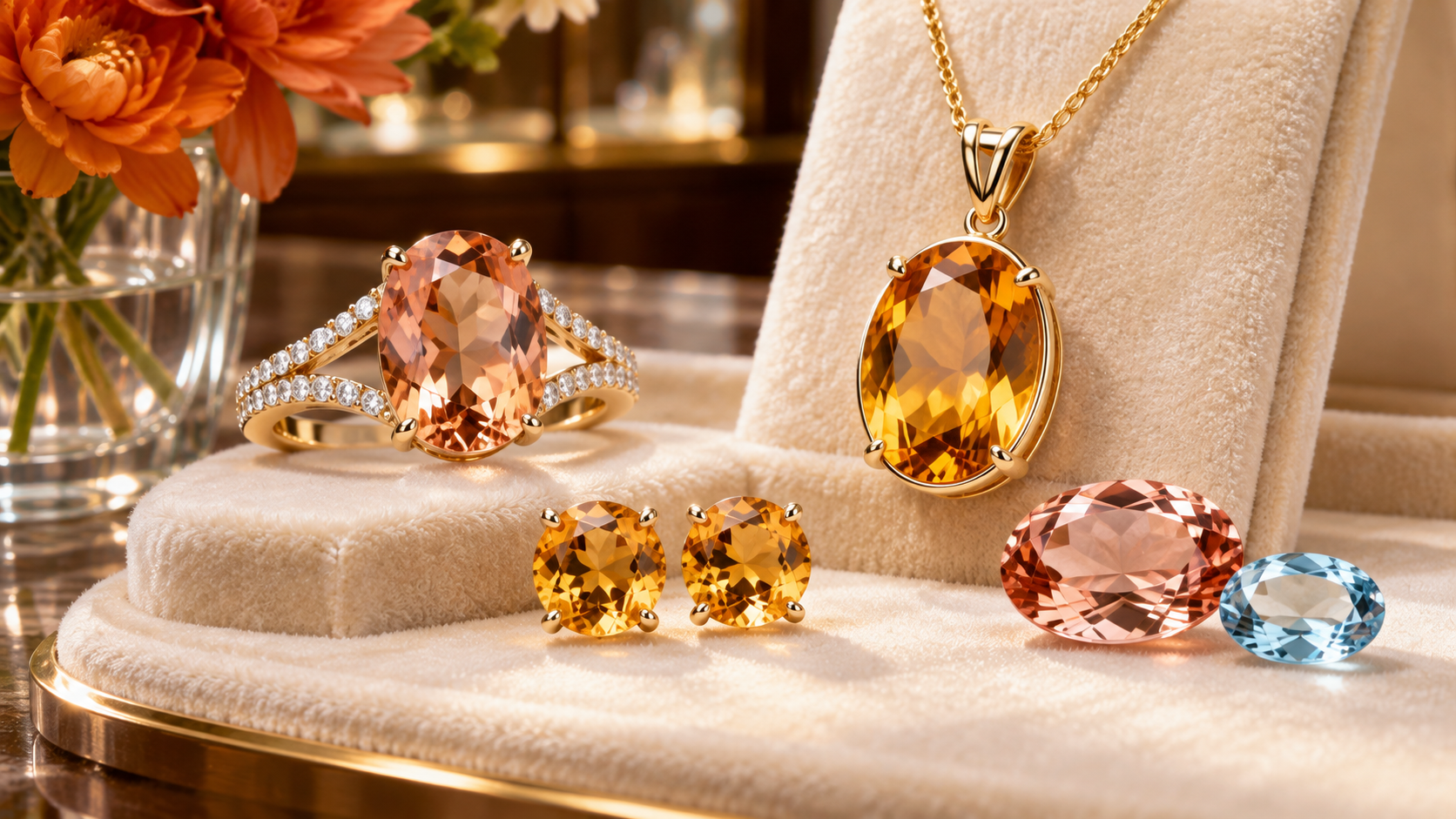
Natural diamonds and certain gemstones may contribute additional value.
Designer Value
Some authenticated designer pieces may attract a premium in the resale market.
Antique or Vintage Appeal
Age, craftsmanship, rarity, and design can influence demand.
Collector Value
Certain coins, watches, and specialty items may require additional expertise.
This is why an estate collection should not automatically be priced as one undifferentiated lot without understanding its contents.
For additional guidance, read Estate Buyers in St. Louis: Where to Sell Jewelry, Coins, Watches & Silver.
What If the Estate Contains Gold and Silver Coins?
Coins require their own evaluation.
Many inherited collections include Morgan silver dollars, Peace silver dollars, American Gold Eagles, Silver Eagles, or older U.S. coins.
Some are worth primarily their precious-metal content.
Others may have collectible value because of date, mint mark, rarity, condition, or demand.
A specialized precious-metal buyer can evaluate eligible bullion and common gold and silver coins.
Potentially rare coins may benefit from a separate numismatic assessment.
The important point is that a collection containing jewelry and coins may require more than one type of expertise.
What If the Estate Contains Luxury Watches?
Luxury watches may require specialist attention.
Important factors include:
- Brand and model
- Authenticity
- Reference and serial information
- Original components
- Condition
- Service history
- Box and paperwork
- Current resale demand
A recognized luxury watch can have market value unrelated to its precious-metal content.
For example, a stainless-steel watch may be valuable because of its brand, model, and demand.
Similarly, certain modifications or missing components can affect resale potential.
When selecting a buyer, ask whether the business regularly purchases your particular watch brand or model.
Should You Get an Independent Appraisal First?
Not every item requires a formal appraisal.
For common gold or silver jewelry being sold outright, a free purchase evaluation may be sufficient.
However, an independent appraisal may be appropriate for:
- Probate or estate administration
- Insurance
- Distribution among beneficiaries
- Tax documentation
- Unusual high-value diamonds
- Rare watches
- Antique or historically significant jewelry
- Potentially rare coins
A purchase offer and a formal appraisal are not the same thing.
One estimates what a buyer may pay, while the other provides a documented value for a defined purpose.
For more information, visit our appraisal services and read Why Diamond Appraisals Don't Equal Cash Value.
What Should Families Do Before Selling an Estate Collection?
Start by organizing the valuables.
Separate Personal Keepsakes
Identify pieces family members wish to retain.
Make an Inventory
Photograph and list jewelry, coins, watches, and other valuables.
Keep Documentation
Preserve receipts, appraisals, certificates, watch papers, and original packaging.
Avoid Unnecessary Cleaning
Don't aggressively polish antique jewelry or clean potentially collectible coins.
Identify Different Categories
Separate precious metals, diamonds, watches, coins, and other collectibles.
Confirm Authority to Sell
An executor, trustee, administrator, or other lawful owner may need to authorize the transaction.
Compare Specialists Where Appropriate
An unusual or exceptionally valuable item may warrant more than one professional opinion.
Our article Where Should I Sell My Inherited Jewelry? offers additional guidance for families navigating inherited valuables.
Why Choose a Local Jewelry Buyer for Estate Valuables?
Working with a physical jewelry storefront provides an opportunity to meet the buyer directly.
At St. Louis Gold Buyers & Jewelry Center, customers can bring their eligible items to our St. Ann location and receive free, no-obligation purchase evaluations.
We provide:
- Ground-level storefront access
- Customer parking directly in front
- Appropriate precious-metal testing and weighing
- Explanations of purchase offers
- Competitive market-based offers
- Same-day payment when eligible offers are accepted
- Walk-in evaluations during regular weekday hours
For larger collections, please contact us before visiting so we can discuss the items and evaluation process.
Learn more about our precious-metal purchasing services.
Frequently Asked Questions
Is an estate buyer the same as a jewelry buyer?
Not always. Some estate buyers handle general household contents, while jewelry buyers specialize in jewelry and related valuables.
Can a jewelry buyer purchase an entire estate jewelry collection?
Potentially. Purchase interest depends on the items and the business's specialties.
Should I sell inherited jewelry for scrap gold?
Only after understanding whether the piece has value from diamonds, designer recognition, craftsmanship, or collectible demand.
What if an estate includes rare coins?
A qualified numismatic specialist may be appropriate for coins with potentially significant collectible value.
Do I need a formal estate appraisal?
Not necessarily, but estate administration or legal and tax requirements may make one necessary. Consult the appropriate professional.
Do I need an appointment for an estate jewelry evaluation?
Standard weekday walk-ins are welcome. Large or complex collections are best discussed in advance.
Conclusion: Choose a Buyer Who Understands Your Estate Valuables
The best buyer for an estate collection depends on what you're selling.
A general estate liquidation service may be appropriate for furniture and household contents.
An experienced jewelry and precious-metal buyer may be a better fit for gold, silver, diamonds, watches, and other fine jewelry.
At St. Louis Gold Buyers & Jewelry Center, we help customers throughout the St. Louis area understand their eligible estate valuables through professional purchase evaluations and transparent explanations.
Before selling an estate collection, find out what you have and how its value is determined.
St. Louis Gold Buyers & Jewelry Center
9814 St. Charles Rock Road
St. Ann, MO 63074
Phone: (314) 427-4653