I Inherited a Coin Collection — What Should I Do Before Selling It?
I Inherited a Coin Collection — What Should I Do Before Selling It?
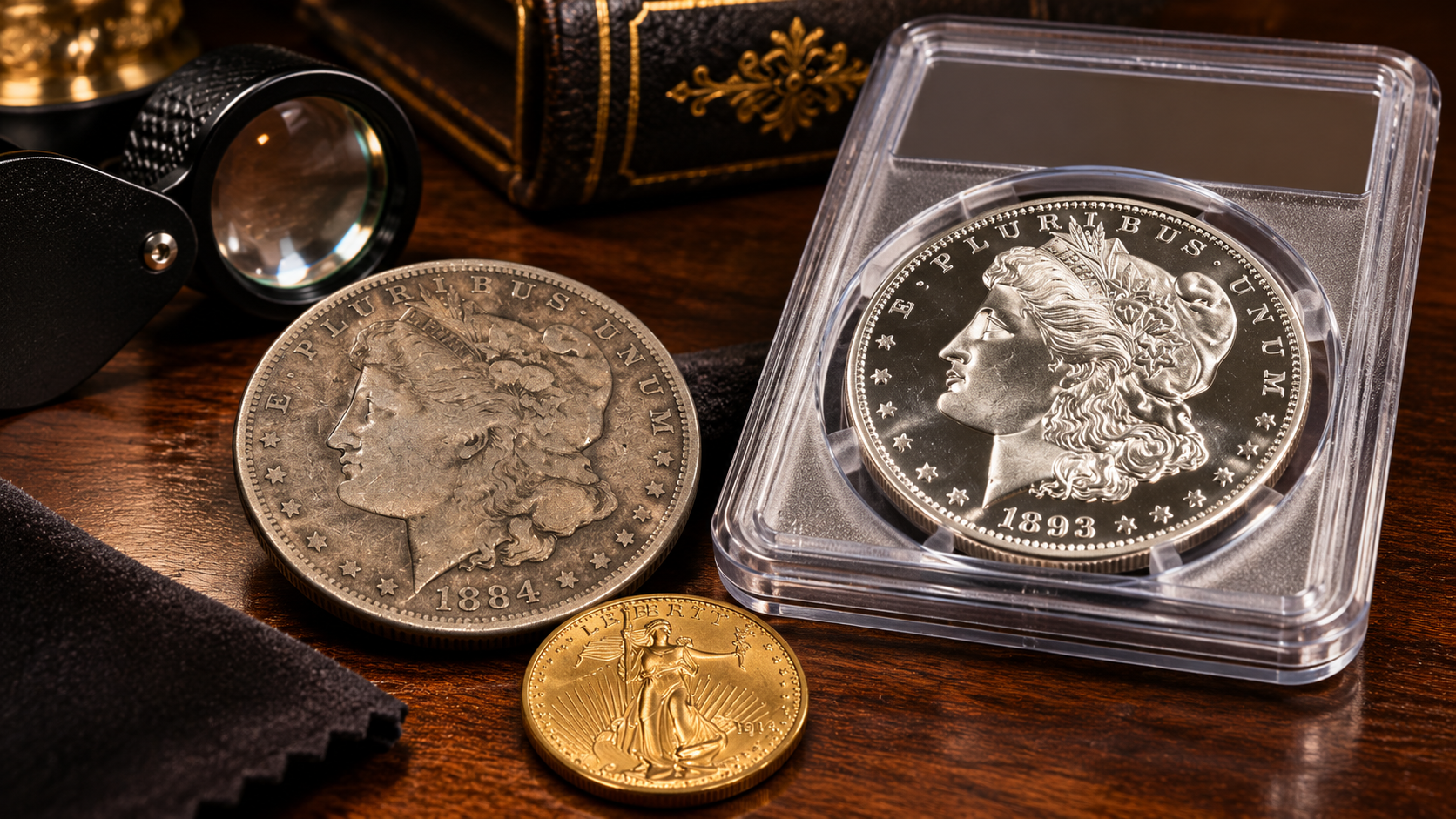
Inheriting a coin collection can bring a mix of memories, questions, and financial decisions.
Perhaps a parent collected silver dollars for decades, a grandparent saved old coins in jars, or a family member left behind albums filled with gold coins, silver coins, and unusual collectibles.
If you're wondering “what should I do with an inherited coin collection,” “where can I sell inherited coins in St. Louis,” or “how do I know what my inherited coins are worth,” the first step is understanding what you have.
At St. Louis Gold Buyers & Jewelry Center, we help customers throughout the St. Louis area evaluate eligible gold coins, silver coins, bullion, and precious-metal collections.
Before selling an inherited collection, several important steps can help protect its potential value.
1. Don't Rush to Sell the Entire Collection
When handling inherited property, it may be tempting to sell everything quickly.
However, a coin collection accumulated over many years may contain several different categories of coins.
Some may be common circulated coins worth primarily their face value.
Others may contain valuable gold or silver.
A smaller number could have additional collectible value because of rarity, condition, or demand.
Taking time to identify the collection can help prevent potentially valuable pieces from being overlooked.
You don't need to become a coin expert, but you should avoid treating every coin as though it has the same value.
2. Don't Clean or Polish the Coins
One of the most important rules when handling inherited coins is simple:
Leave them in their original condition.
You may discover coins with dark toning, tarnish, or other signs of age.
Although it might seem helpful to make them look shiny, cleaning can damage original surfaces and reduce collectible value.
Avoid silver polish, toothpaste, abrasive pads, and household cleaning chemicals.
If a coin is inside a protective case, cardboard holder, album, or professionally graded holder, leave it there unless a qualified specialist advises otherwise.
Original condition is often important to coin collectors.
3. Separate the Collection Into General Categories
An inherited collection may be easier to evaluate once you organize it.
Begin with broad categories rather than trying to identify every individual coin.
Gold Coins
These may include American Gold Eagles, historic U.S. gold coins, Canadian Gold Maple Leafs, Krugerrands, and other bullion or collectible issues.
Silver Dollars
Morgan silver dollars and Peace silver dollars are frequently found in older collections.
Older U.S. Silver Coins
Many U.S. dimes, quarters, and half dollars dated 1964 or earlier contain 90% silver.
Silver Bullion
Look for American Silver Eagles, silver rounds, silver bars, and other investment-grade silver products.
Collectible Coins
Some collections contain proof sets, mint sets, professionally graded coins, commemorative coins, and key-date issues.
Ordinary Circulation Coins
Not every old penny, nickel, dime, or quarter has special collectible value.
You can organize coins into these categories without polishing them or removing individual pieces from their protective packaging.
For identification basics, read our Beginner's Guide to Gold & Silver Coins.
4. Save All Original Documentation
When a loved one leaves behind a collection, paperwork can be extremely useful.
Look for:
- Original purchase receipts
- Collection inventories
- Coin grading certificates
- Dealer invoices
- Notes about purchase prices
- Coin albums and identification labels
- Auction records
- Estate documents
These records may help identify the collection and explain how it was acquired.
A professionally graded coin's label can also provide information about its authentication and condition.
Do not throw away documentation simply because it appears old or unimportant.
5. Understand the Difference Between Silver Value and Collector Value
Many inherited coin collections contain older silver dollars and other precious-metal coins.
These items may be valuable because of their actual silver content.
However, some have additional numismatic value.
For example, original Morgan and Peace silver dollars contain approximately 0.7734 troy ounces of silver each.
A common circulated example may have a relatively modest collector premium.
A scarce-date coin in desirable condition may be considerably more valuable.
Similarly, some historic gold coins command collector premiums beyond their gold content.
This is why you should be cautious about selling an entire collection strictly by weight without understanding whether potentially valuable collectibles are included.
For additional guidance, read Where Can I Sell Old Coins in St. Louis?.
6. Check Whether Any Coins Are Professionally Graded
Some collectors purchase coins already authenticated and graded by recognized third-party companies.
These coins are usually sealed in protective holders known as slabs.
The holders may display information such as:
- Coin denomination
- Date
- Mint mark
- Numerical grade
- Certification number
- Grading company
Do not open these holders.
Professional certification can influence how a coin is marketed and evaluated, although it does not guarantee a particular price.
Learn more in our article What Are the Major Coin Grading Companies?.
7. Make a Basic Inventory Before Selling
A simple inventory can help keep your collection organized.
You don't need expensive software.
A notebook or spreadsheet can be sufficient.
Record information such as:
CategoryExampleQuantitySilver dollarsMorgan and Peace dollarsCount coinsSilver coinsPre-1965 dimes and quartersCount or face valueGold coinsBullion and historic issuesCount and identifyCertified coinsCoins in grading holdersCertification detailsOther collectiblesProof sets and albumsNumber of sets
For potentially valuable coins, photographs can be useful.
Documenting the collection is especially important when multiple family members have an interest in the estate.
8. Make Sure You Have the Authority to Sell
If the collection is part of an estate that has not been fully distributed, the person holding the coins may not automatically have legal authority to sell them.
Depending on the circumstances, the executor, administrator, trustee, or lawful owner may need to authorize the transaction.
Some estates may also require an inventory, documented valuation, or other legal and tax records.
If the collection is involved in probate or a dispute among heirs, consult an appropriate professional before selling.
A purchase offer from a coin buyer should not automatically be treated as a formal estate appraisal.
9. Should You Sell Everything Together or Individually?
There is no single answer.
For common circulated silver coins and bullion, selling as a group may be convenient.
For potentially rare or high-value collectible coins, individual evaluation may be more appropriate.
One useful strategy is to separate the collection into:
Precious-Metal Coins: Common gold and silver coins that can be evaluated according to metal content and market demand.
Potentially Collectible Coins: Unusual dates, professionally graded examples, and other coins that may warrant specialist assessment.
Personal Keepsakes: Coins family members want to preserve for sentimental reasons.
This approach allows you to evaluate different parts of the collection without treating everything as one undifferentiated lot.
10. How Do You Find a Trustworthy Coin Buyer?
When choosing where to sell inherited coins, look for a business that explains how offers are calculated.
Questions worth asking include:
- Do you purchase gold and silver coins?
- Is the evaluation free?
- Are bullion coins priced differently from collectible coins?
- Will you explain the offer?
- Can I decline the offer without obligation?
- Do you recommend specialist evaluation for potentially rare pieces?
- How and when will I be paid?
A trustworthy buying experience should give you enough information to make your own decision.
For collections containing jewelry, watches, flatware, or other estate valuables, our Estate Buyers in St. Louis guide provides additional guidance.
11. Where Can I Sell an Inherited Coin Collection in St. Louis?
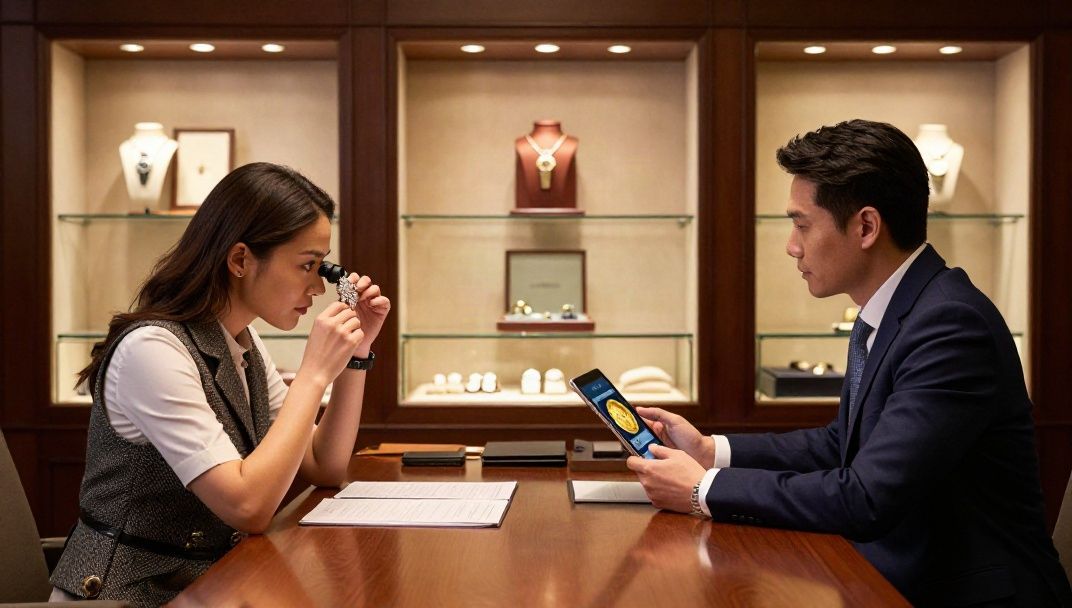
At St. Louis Gold Buyers & Jewelry Center, we evaluate eligible gold coins, silver coins, bullion, and precious-metal collections.
Customers appreciate the convenience of our physical storefront:
- Dedicated customer parking
- Direct, ground-level entrance
- No elevators or multiple floors
- Free, no-obligation purchase evaluations
- Transparent explanations
- Same-day payment when an eligible offer is accepted
For large collections, contacting us before visiting is helpful so we can discuss the number and types of items involved.
Learn more about our precious-metal buying services and silver-buying services.
Frequently Asked Questions About Inherited Coins
Is an inherited coin collection always valuable?
No. Some collections contain mostly common coins, while others include precious-metal or collectible items. Evaluation helps identify the differences.
Should I clean coins that have been stored for decades?
No. Cleaning can damage their surfaces and potentially reduce collector value.
Should I sell the coins all at once?
It depends on the contents. Common bullion coins may be convenient to sell together, while rare coins may benefit from individual assessment.
Do I need a formal appraisal for inherited coins?
Not always. However, estate administration, tax reporting, insurance, or beneficiary disputes may require formal documentation. Seek professional guidance where appropriate.
Can I bring coin albums and boxes to your store?
Yes. Keeping coins in their original holders can help preserve condition and organization.
Do I need an appointment?
Standard weekday walk-in evaluations do not require an appointment. Contact us first for large or complex collections.
Conclusion: Protect the Value of Your Inherited Coin Collection
An inherited coin collection may contain far more variety than you initially realize.
Before selling, preserve the coins, keep the documentation, organize the collection, and determine whether individual pieces have collectible value beyond their precious-metal content.
At St. Louis Gold Buyers & Jewelry Center, we help customers throughout the St. Louis metropolitan area understand their eligible gold and silver coins through free purchase evaluations and transparent offers.
Have inherited coins you'd like evaluated? Bring them to our St. Ann storefront or contact us about your collection.
St. Louis Gold Buyers & Jewelry Center
9814 St. Charles Rock Road
St. Ann, MO 63074
Phone: (314) 427-4653