Best Place to Sell Silver Coins in St. Louis
Best Place to Sell Silver Coins in St. Louis
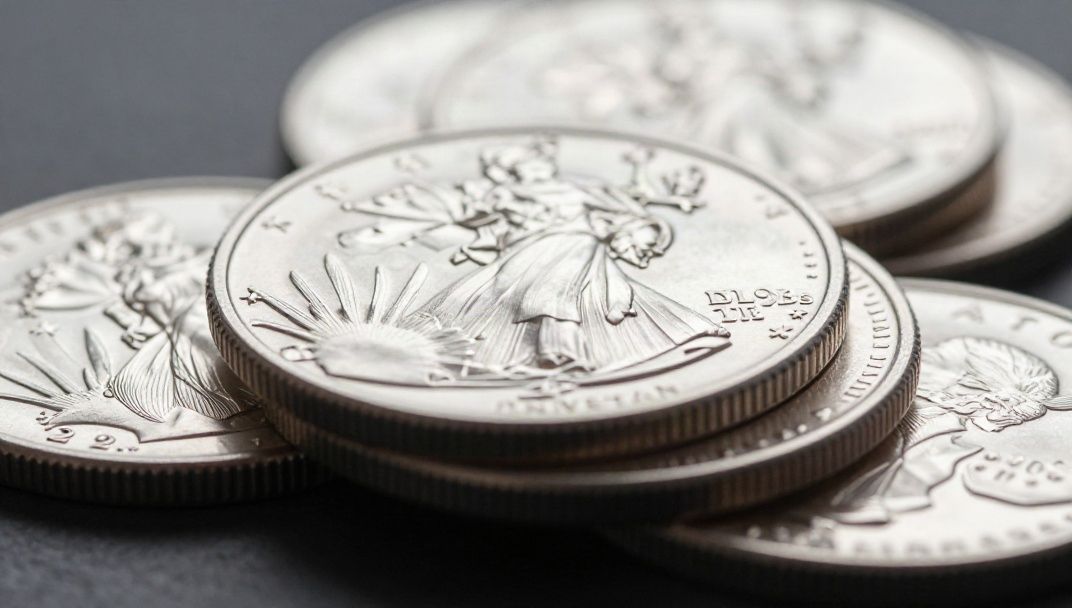
Have you discovered old silver coins in a drawer, inherited a collection of silver dollars, or been holding onto silver coins for years and wondering whether now is a good time to sell?
You may be searching for “silver coin buyers near me,” “where to sell silver coins in St. Louis,” “who buys Morgan silver dollars,” or “best place to sell silver coins for cash.”
The good news is that many silver coins are worth considerably more than their original face value. However, not every silver coin has the same value, and not every buyer evaluates coins the same way.
Some coins are valuable primarily because of their silver content. Others may have additional collectible value because of their date, mint mark, rarity, condition, or demand among coin collectors.
At St. Louis Gold Buyers & Jewelry Center, we purchase eligible silver coins, silver bullion, and other precious-metal items from customers throughout the St. Louis metropolitan area.
Our team provides free, no-obligation evaluations, transparent explanations, competitive purchase offers, and same-day payment when an eligible offer is accepted.
Whether you have a handful of old silver quarters, several Morgan silver dollars, American Silver Eagles, or an inherited coin collection, this guide explains where to sell silver coins in St. Louis, how their value is determined, and what to know before accepting an offer.
1. Where Can I Sell Silver Coins Near Me in St. Louis?
If you're looking for a place to sell silver coins, several types of businesses may be interested in purchasing them.
Common options include:
- Local silver buyers
- Precious-metal dealers
- Coin dealers
- Jewelry stores that purchase precious metals
- Bullion dealers
- Rare-coin specialists
- Auction houses
- Online silver-buying companies
- Private coin collectors
However, the best option depends on the types of coins you own.
A precious-metal buyer may be well suited for common circulated silver coins, silver bullion coins, and silver rounds.
A specialist coin dealer may be more appropriate for coins with unusual dates, mint marks, or potentially significant collector premiums.
For example, someone selling a roll of common circulated silver quarters may have different needs from someone selling a rare, professionally graded Morgan silver dollar.
The best place to sell silver coins is a buyer who understands your coins, explains how their value is calculated, and provides an offer you can evaluate confidently.
2. What Types of Silver Coins Are Worth Money?
Many people assume that a coin must be extremely old to have value.
That isn't necessarily true.
A coin's value may come from its silver content, collectible characteristics, or both.
Common silver coins that buyers may purchase include:
- Morgan silver dollars
- Peace silver dollars
- American Silver Eagles
- Canadian Silver Maple Leafs
- Pre-1965 U.S. silver dimes
- Pre-1965 U.S. silver quarters
- Pre-1965 U.S. silver half dollars
- 1965–1970 Kennedy half dollars
- Certain Eisenhower silver dollars
- Certain commemorative silver coins
- Foreign silver coins
- Silver bullion coins
Some of these coins are primarily valued according to the amount of silver they contain.
Others may be worth more because collectors are willing to pay a premium.
For a broader explanation of different coin categories, read our guide, Where Can I Sell Old Coins in St. Louis?.
3. Which U.S. Coins Contain Real Silver?
One of the most important things to understand before selling old coins is that not every silver-colored coin contains silver.
The United States changed the composition of many circulating coins during the 1960s.
Here are several common examples.
U.S. CoinDatesSilver ContentRoosevelt dimes1946–196490%Washington quarters1932–196490%, with exceptions such as certain special issuesFranklin half dollars1948–196390%Kennedy half dollars196490%Kennedy half dollars1965–197040%Morgan silver dollars1878–192190%Peace silver dollars1921–193590%American Silver Eagles1986 onward99.9%
Some earlier U.S. coins and special collector issues also contain silver.
Certain Eisenhower dollars produced for collectors contain 40% silver, while ordinary circulation versions generally do not.
Modern proof sets and commemorative issues may also have silver content, depending on the specific product.
Do not assume a coin contains silver simply because it looks silver-colored.
Identifying the coin's date, denomination, and composition is an important first step.
4. How Much Are Old Silver Coins Worth?
The value of an old silver coin depends on more than its original denomination.
For coins valued primarily as bullion, the basic calculation involves the amount of pure silver and the current silver market price.
Basic silver melt-value formula:
Silver content in troy ounces × current silver spot price = estimated silver melt value
For example, a common circulated silver coin containing 0.18 troy ounces of silver would have an estimated melt value of $9 if silver were trading at $50 per troy ounce.
That is an illustration, not a current market quote or guaranteed purchase offer.
Actual buyer offers may be higher or lower than melt value depending on the coin, market demand, transaction size, and the buyer's business costs.
For collectible coins, additional factors may influence value.
These include:
- Date
- Mint mark
- Condition
- Rarity
- Authentication
- Collector demand
- Original surfaces
- Professional grading
A silver coin's melt value and its collectible market value are not always the same.
5. What Are 90% Silver Coins, and Who Buys Them?
One of the most common categories of old U.S. silver coins is known as 90% silver coinage.
These coins are sometimes called junk silver in the precious-metals industry.
Despite the name, they are not worthless or necessarily damaged.
The term generally refers to common circulated silver coins that are traded primarily for their precious-metal content rather than their rarity.
Examples include:
- Roosevelt silver dimes dated 1964 or earlier
- Washington silver quarters dated 1964 or earlier
- Franklin silver half dollars
- 1964 Kennedy half dollars
- Certain earlier U.S. silver denominations
Many 90% silver coins contain substantial precious-metal value.
How much silver is in $1 face value of 90% silver coins?
A standard $1 face-value group of uncirculated U.S. 90% silver dimes, quarters, or half dollars originally contained approximately 0.7234 troy ounces of silver.
Because circulated coins lose small amounts of metal through wear, dealers often use an approximate figure of 0.715 troy ounces per $1 face value when estimating the silver content of average circulated coins.
For example:
Face ValueApproximate Silver Content$10.715 troy oz$53.575 troy oz$107.15 troy oz$5035.75 troy oz$10071.5 troy oz
These are conventional estimates for average circulated 90% silver dimes, quarters, and half dollars—not precise weights for every coin.
Morgan and Peace silver dollars have different specifications and should not be calculated using this same face-value multiplier.
At St. Louis Gold Buyers & Jewelry Center, we purchase eligible silver coins and explain the factors influencing their value.
Explore our silver-buying services in St. Louis to learn more about selling silver coins and other silver valuables.
6. Where Can I Sell Morgan Silver Dollars in St. Louis?
Morgan silver dollars are among the most recognizable collectible U.S. coins.
The original Morgan dollar series was minted from 1878 through 1904 and again in 1921. Modern Morgan commemorative issues were also introduced beginning in 2021.
Original Morgan silver dollars contain approximately 0.7734 troy ounces of pure silver.
However, their value is not determined by silver content alone.
Factors that may influence Morgan dollar value include:
- Year of production
- Mint mark
- Condition
- Rarity
- Collector demand
- Authenticity
- Professional grading
- Original surfaces
A common, heavily circulated Morgan silver dollar may be valued relatively close to its bullion-related market value, plus any applicable collector premium.
A scarce-date Morgan dollar in desirable condition may command a substantially higher price.
Should you sell Morgan silver dollars for melt value?
Not automatically.
Before selling, determine whether the coins have collectible characteristics that could justify additional value.
If you have an unusual or potentially rare Morgan dollar, consider obtaining an opinion from a qualified numismatic specialist.
7. Where Can I Sell Peace Silver Dollars?
Peace silver dollars are another popular U.S. silver coin series.
The original Peace dollar was produced from 1921 through 1928 and again in 1934 and 1935. Modern commemorative Peace dollars have also been issued.
Like original Morgan silver dollars, original Peace dollars contain approximately 0.7734 troy ounces of pure silver.
Their value may depend on:
- Date
- Mint mark
- Condition
- Rarity
- Collector demand
- Authentication
- Market conditions
A common circulated Peace dollar may have a relatively modest collector premium.
A scarcer issue or unusually well-preserved coin may have greater numismatic value.
If you've inherited Morgan or Peace silver dollars, avoid cleaning them or removing them from protective holders before evaluation.
8. Who Buys American Silver Eagle Coins Near Me?
American Silver Eagles are popular among investors and precious-metal collectors.
First issued in 1986, standard American Silver Eagle bullion coins contain one troy ounce of 99.9% pure silver.
Their value is generally influenced by the silver spot price and the prevailing premium for Silver Eagle coins.
However, some proof, uncirculated collector, special-issue, or professionally graded Silver Eagles may have additional collectible value.
What affects an American Silver Eagle purchase offer?
- Current silver spot price
- Market demand
- Coin type
- Condition
- Authenticity
- Dealer premiums
- Transaction size
- Special collector characteristics
A standard bullion Silver Eagle may be evaluated differently from a scarce collector issue.
When comparing offers, ask whether the buyer is considering the coin's bullion value, collector premium, or both.
9. Are Silver Rounds and Silver Bars Worth the Same as Silver Coins?
Silver rounds, silver bars, and government-issued silver coins are all common forms of precious-metal ownership.
However, they are not identical products.
Government-Issued Silver Coins
These are issued by official government mints and may carry a legal-tender denomination.
Examples include American Silver Eagles and Canadian Silver Maple Leafs.
Silver Rounds
Silver rounds are generally produced by private mints and do not have legal-tender status.
Many contain one troy ounce of .999 fine silver.
Silver Bars
Silver bars are produced in different weights, including one ounce, five ounces, ten ounces, and larger sizes.
Their value depends on silver content, authenticity, manufacturer, and market demand.
Although these products may contain similar amounts of silver, their resale premiums can differ.
A recognized government-issued silver bullion coin may trade at a different premium than a generic silver round or bar.
10. What Is the Difference Between Silver Spot Price and the Price a Buyer Pays?
The silver spot price represents a market reference price for silver, generally quoted per troy ounce.
However, the spot price is not automatically the amount a dealer will pay for every silver item.
Purchase offers can reflect:
- Actual silver content
- Coin type
- Current market price
- Market premiums
- Resale demand
- Transaction size
- Authentication costs
- Business expenses
- Refining or processing costs when applicable
For example, a one-ounce silver bullion coin and a sterling silver necklace may both contain silver, but they have different characteristics and resale markets.
A recognized bullion coin may carry a premium above its silver melt value.
A sterling silver jewelry item may be evaluated primarily for its recoverable silver content.
For a deeper explanation of precious-metal market pricing, read What Is Spot Price and Why Does It Matter When Selling Gold?. The same distinction between market spot price and purchase offers is relevant when selling silver.
11. Do Silver Coin Buyers Pay the Same Prices?
No. Different buyers may offer different amounts for the same silver coins.
That doesn't necessarily mean one buyer is using an incorrect silver price.
Offers can vary because of:
- Business overhead
- Resale channels
- Inventory needs
- Market demand
- Coin expertise
- Transaction size
- Dealer margins
- Refining relationships
- Risk and authentication costs
A business that specializes in precious-metal bullion may evaluate common silver coins differently from a rare-coin dealer.
A private collector may be interested in one specific date or mint mark but have little interest in an entire collection.
When comparing offers, ask for the total amount you would actually receive and how the offer was determined.
Do not compare advertised percentages without understanding which silver price, coin type, or calculation they refer to.
12. Should I Sell Silver Coins to a Pawn Shop, Coin Dealer, or Silver Buyer?
Different types of buyers may be appropriate for different coins.
Pawn Shops
Pawn shops may purchase silver coins or offer collateral-based loans. Their expertise and purchase policies vary.
Coin Dealers
Coin dealers may buy and sell bullion coins, collectible coins, and rare coins, depending on their specialties.
Precious-Metal Buyers
Precious-metal buyers commonly purchase silver coins, silver bullion, and other items containing silver.
Rare-Coin Specialists
Rare-coin specialists focus on numismatic characteristics such as scarcity, condition, mint marks, and collector demand.
For common circulated silver coins and bullion, a reputable precious-metal buyer may be a convenient option.
For potentially rare or valuable collector coins, a specialist numismatic evaluation may be worthwhile.
The most important factor is whether the buyer has experience with the type of coins you're selling.
13. Should I Clean Old Silver Coins Before Selling Them?
Generally, no.
Cleaning can reduce the collectible value of silver coins, especially older or potentially rare pieces.
Some coins develop natural toning over time.
Although toning may change the appearance of a coin, collectors often prefer original surfaces over coins that have been aggressively polished.
Avoid using:
- Metal polish
- Toothpaste
- Abrasive cleaners
- Wire brushes
- Household chemicals
- Scrubbing pads
- Harsh cleaning solutions
Even gentle-looking cleaning methods can leave permanent evidence of alteration.
If you discover old silver coins in albums, plastic holders, or professional grading cases, leave them in place whenever possible.
A coin that looks dull or tarnished may still have substantial value.
14. How Can I Tell Whether My Silver Coins Are Rare?
Some silver coins have collectible value beyond their silver content.
Important characteristics include:
Date
Certain production years are scarcer than others.
Mint Mark
Coins from different mints may have different survival rates and collector demand.
Condition
Coins with little wear and original surfaces may command higher prices.
Mintage
Some coins were produced in smaller quantities.
Surviving Population
The number of coins that remain available to collectors can be more important than the original mintage alone.
Authentication
Counterfeit and altered coins exist, particularly among valuable dates.
Professional Grading
Certification from recognized grading services may help establish authenticity and condition.
For a detailed explanation, read What Are the Major Coin Grading Companies?.
Professional grading is not necessary for every silver coin. For common circulated coins, the cost of grading may exceed any potential benefit.
15. What Should I Do With an Inherited Silver Coin Collection?
Inheriting a coin collection can be confusing, especially when the coins have been stored for decades.
A collection may contain:
- Morgan silver dollars
- Peace silver dollars
- American Silver Eagles
- Silver dimes and quarters
- Silver half dollars
- Silver bullion
- Proof sets
- Mint sets
- Foreign silver coins
- Professionally graded coins
Before selling, take time to organize the collection.
Keep Coins in Their Original Holders
Packaging, labels, and certification information may be useful.
Separate Obvious Categories
Group silver dollars, bullion coins, and circulated silver denominations without cleaning or altering them.
Look for Documentation
Original receipts, inventories, and grading certificates may provide useful information.
Do Not Assume Every Coin Has the Same Value
Some coins may have collectible premiums beyond their silver content.
Ask About Large-Collection Evaluations
If you have hundreds of coins, contact the buyer before visiting to discuss the evaluation process.
Keep Records
If you're handling an estate, document which coins were sold and the amount received.
For more guidance about inherited valuables, see our article on estate buyers in St. Louis and selling inherited jewelry, coins, watches, and silver.
16. Is It Better to Sell Silver Coins Locally or Online?
Both options can be appropriate, depending on the type of coins and your priorities.
Advantages of Selling Locally
- Face-to-face evaluations
- No shipping required
- Opportunity to ask questions
- Immediate purchase offers for eligible items
- Prompt payment when an offer is accepted
- Easier comparison of local buyers
- No risk of coins being lost during shipment
Considerations When Selling Online
- Shipping expenses
- Insurance costs
- Dealer processing times
- Authentication requirements
- Marketplace commissions
- Buyer disputes
- Return policies
- Payment delays
For common silver coins, selling locally can be convenient.
For rare or unusually collectible coins, specialized auctions or marketplaces may provide access to a broader group of buyers.
Compare the final amount you expect to receive after fees and expenses—not simply the advertised selling price.
17. Is Now a Good Time to Sell Silver Coins?
Whether now is a good time to sell depends on your financial goals, the types of coins you own, and current market conditions.
Silver prices can change significantly over time.
Some people choose to sell when silver prices have risen relative to their original purchase cost.
Others sell because they have inherited coins, need access to funds, or no longer wish to maintain a collection.
Before selling, consider:
- Current silver market prices
- Your original purchase cost, if known
- Whether the coins have collectible premiums
- Your financial needs
- The number of coins you wish to sell
- Whether you want to sell the entire collection or only part of it
There is no guaranteed way to predict future silver prices.
Rather than attempting to identify the perfect market peak, focus on understanding your coins' current value and comparing realistic purchase offers.
18. How Can I Get the Best Price for Silver Coins in St. Louis?
Getting a competitive offer starts with understanding what you own.
Identify the Coins
Determine whether you have silver dollars, 90% silver coins, bullion, or collectible issues.
Understand Silver Content
Know whether your coins contain 40%, 90%, or 99.9% silver, or another composition.
Check the Current Silver Market
Silver prices fluctuate, so use a recent market reference when comparing offers.
Consider Collector Value
Do not automatically sell potentially rare coins strictly for melt value.
Avoid Cleaning Coins
Preserve original surfaces and protective holders.
Choose an Experienced Buyer
Work with a business familiar with silver coins and precious metals.
Ask How the Offer Was Calculated
A transparent explanation makes it easier to compare buyers.
Consider Multiple Offers
For unusually valuable coins or large collections, comparing offers may be worthwhile.
At St. Louis Gold Buyers & Jewelry Center, we believe customers should understand what they own and how their purchase offers are determined.
19. Where Can I Sell Silver Coins Near St. Ann, Florissant, Hazelwood, and St. Louis?
If you're searching for silver coin buyers in St. Louis County, St. Louis Gold Buyers & Jewelry Center offers a convenient local option for evaluating eligible silver coins and other precious-metal items.
Our location:
St. Louis Gold Buyers & Jewelry Center
9814 St. Charles Rock Road
St. Ann, Missouri 63074
Phone: (314) 427-4653
We serve customers throughout the St. Louis metropolitan area, including:
- St. Ann
- Breckenridge Hills
- Florissant
- Hazelwood
- Bridgeton
- Maryland Heights
- Overland
- St. Charles
- Surrounding St. Louis communities
Customers bring us silver coins, silver bullion, gold coins, sterling silver jewelry, silver flatware, and other eligible precious-metal items.
Our team provides free evaluations and explains the factors influencing purchase offers.
If you have a large coin collection, contacting us before visiting can help determine the time needed for evaluation.
Learn more about St. Louis Gold Buyers & Jewelry Center and our professional precious-metal buying services.
20. Why Choose St. Louis Gold Buyers & Jewelry Center to Sell Silver Coins?
When selling silver coins, choosing a knowledgeable and transparent buyer matters.
At St. Louis Gold Buyers & Jewelry Center, we focus on helping customers understand their valuables before making a decision.
Free, No-Obligation Evaluations
Bring eligible silver coins and other precious-metal items for an evaluation without being required to sell.
Transparent Explanations
We explain relevant coin characteristics, precious-metal content, and market factors affecting purchase offers.
Competitive Purchase Offers
We consider the type of silver item, market conditions, and other relevant characteristics when determining offers.
Same-Day Payment
When an eligible offer is accepted, payment is generally provided the same day.
Multiple Precious-Metal Categories
We purchase eligible silver coins, silver bullion, gold coins, sterling silver, jewelry, and other valuables.
Professional, No-Pressure Service
Customers can ask questions, review an offer, and decide whether selling is right for them.
Whether you're selling a few old silver quarters, several silver dollars, or a larger collection, we're here to help you understand your options.
Frequently Asked Questions About Selling Silver Coins in St. Louis
Who buys silver coins near me?
Precious-metal buyers, coin dealers, bullion dealers, rare-coin specialists, and some jewelry stores purchase silver coins. The right buyer depends on whether your coins are primarily valuable for silver content or collectible characteristics.
Where can I sell silver coins for cash in St. Louis?
Local silver buyers and precious-metal dealers may purchase silver coins for cash or other prompt payment methods. St. Louis Gold Buyers & Jewelry Center provides free evaluations for eligible silver coins at its St. Ann location.
Are silver coins worth more than face value?
Many are. U.S. coins containing significant amounts of silver may be worth more than their original face value. Certain collectible coins may command additional premiums.
What years of U.S. coins contain 90% silver?
Many U.S. dimes, quarters, and half dollars dated 1964 or earlier contain 90% silver. Some special issues and older denominations have different compositions.
How much silver is in a Morgan silver dollar?
An original Morgan silver dollar contains approximately 0.7734 troy ounces of pure silver.
How much silver is in a Peace silver dollar?
An original Peace silver dollar also contains approximately 0.7734 troy ounces of pure silver.
Are American Silver Eagles pure silver?
Standard American Silver Eagles contain one troy ounce of 99.9% pure silver.
What does junk silver mean?
Junk silver generally refers to common circulated silver coins traded primarily for their precious-metal content rather than rare-coin value.
Should I clean old silver coins before selling them?
No. Cleaning can damage original surfaces and potentially reduce collectible value.
Do silver buyers pay spot price?
Offers vary depending on the coin, market conditions, demand, premiums, and buyer costs. Some bullion products may trade above spot, while other silver items may receive offers below their melt value.
Can I sell an inherited silver coin collection?
Yes. Many coin dealers and precious-metal buyers purchase inherited silver collections, depending on their specialties. Potentially rare coins may warrant additional specialist evaluation.
Should I get my silver coins professionally graded?
Not always. Grading may be beneficial for certain collectible coins, but it is often unnecessary for common circulated silver coins.
Is it better to sell silver coins locally or online?
Local selling can provide convenience, in-person evaluations, and prompt payment. Online selling may offer broader exposure but can involve fees, shipping, and delays.
Conclusion: Where Is the Best Place to Sell Silver Coins in St. Louis?
If you're searching for “where to sell silver coins near me,” “silver coin buyers in St. Louis,” “who buys Morgan silver dollars,” or “best place to sell old silver coins for cash,” the most important step is understanding the coins you own.
Some silver coins are valuable primarily because of their precious-metal content.
Others may have additional collectible value based on rarity, condition, mint mark, and market demand.
Before selling, identify the coins, understand their silver content, avoid cleaning potentially collectible pieces, and choose a buyer who explains how the offer is determined.
At St. Louis Gold Buyers & Jewelry Center, we help customers throughout the St. Louis area evaluate eligible silver coins, silver bullion, sterling silver, and other precious-metal valuables.
Our team provides transparent evaluations, competitive offers, and a professional, no-pressure experience.
Have old silver coins, Morgan dollars, Peace dollars, American Silver Eagles, or an inherited silver collection? Find out what they may be worth.
Contact St. Louis Gold Buyers & Jewelry Center to ask about your silver coins or plan a visit.
St. Louis Gold Buyers & Jewelry Center
9814 St. Charles Rock Road
St. Ann, MO 63074
Phone: (314) 427-4653
Free Evaluations. Transparent Offers. Competitive Payouts. Same-Day Payment. No Pressure to Sell.