Should I Get Multiple Offers Before Selling My Gold or Jewelry?
Should I Get Multiple Offers Before Selling My Gold or Jewelry?
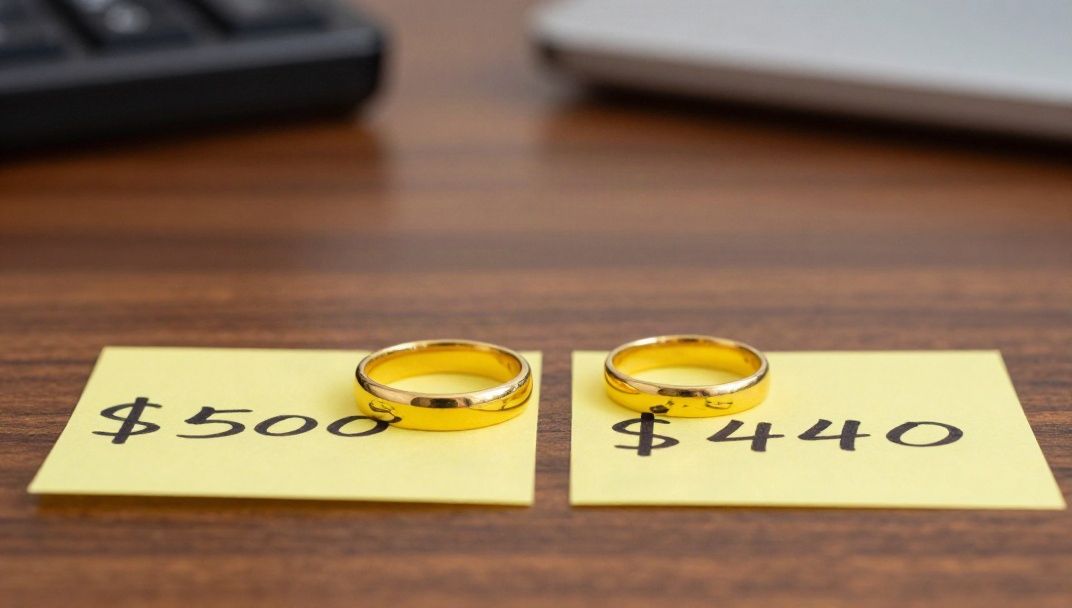
In simple terms, Yes—getting multiple offers before selling gold or jewelry can be a smart decision, especially when you are selling valuable, inherited, designer, diamond, or estate jewelry. However, comparing offers should involve more than simply asking, “Who offered me the most money?”
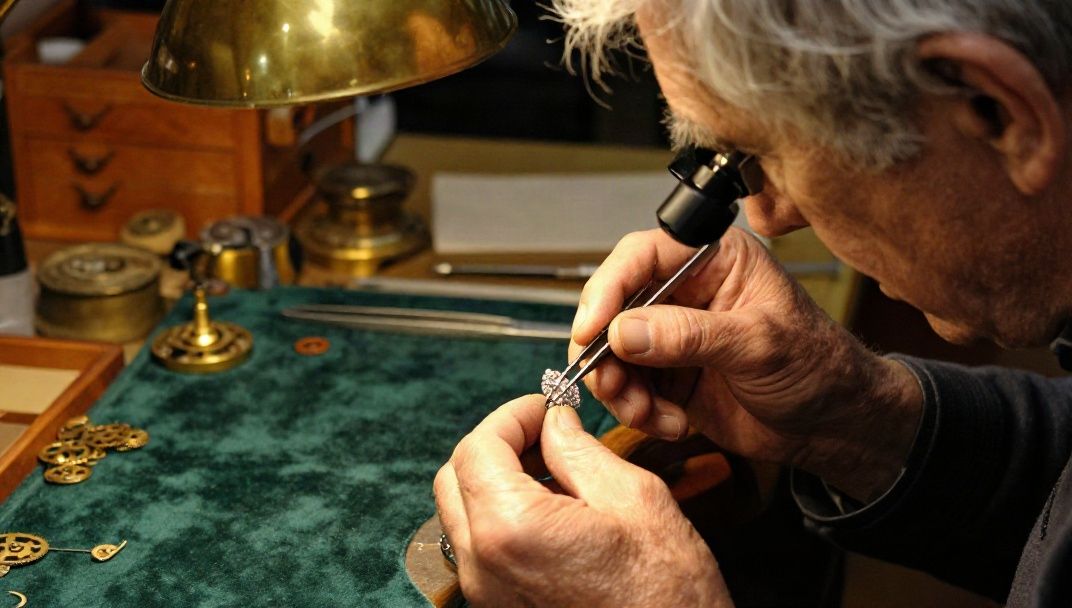
A professional jewelry evaluation can involve several factors, including the item's weight, precious-metal purity, current market price, diamonds or gemstones, condition, brand, age, collectability, and potential resale value. If you're trying to decide where to sell gold or jewelry in St. Louis, understanding what you're comparing can help you make a more confident decision.
Why Should You Get Multiple Offers for Gold or Jewelry?
When you receive more than one offer, you gain a better understanding of how different buyers view your items.
For example, imagine you bring the same gold bracelet to three different buyers.
One buyer may primarily calculate its value based on its gold content.
Another may recognize that the bracelet is desirable as a complete piece of jewelry.
A third may identify a designer, maker, diamond, gemstone, or other characteristic that affects its potential resale value.
That doesn't automatically mean one buyer is right and everyone else is wrong. It means buyers can have different levels of expertise, customers, resale markets, operating costs, and evaluation methods.
The important thing is understanding why the offers are different.
When Is Getting Multiple Jewelry Offers Especially Important?
You may want to consider multiple evaluations when selling higher-value or more complicated items, including:
- Estate jewelry
- Inherited jewelry
- Diamond rings
- Engagement rings
- Designer jewelry
- Luxury watches
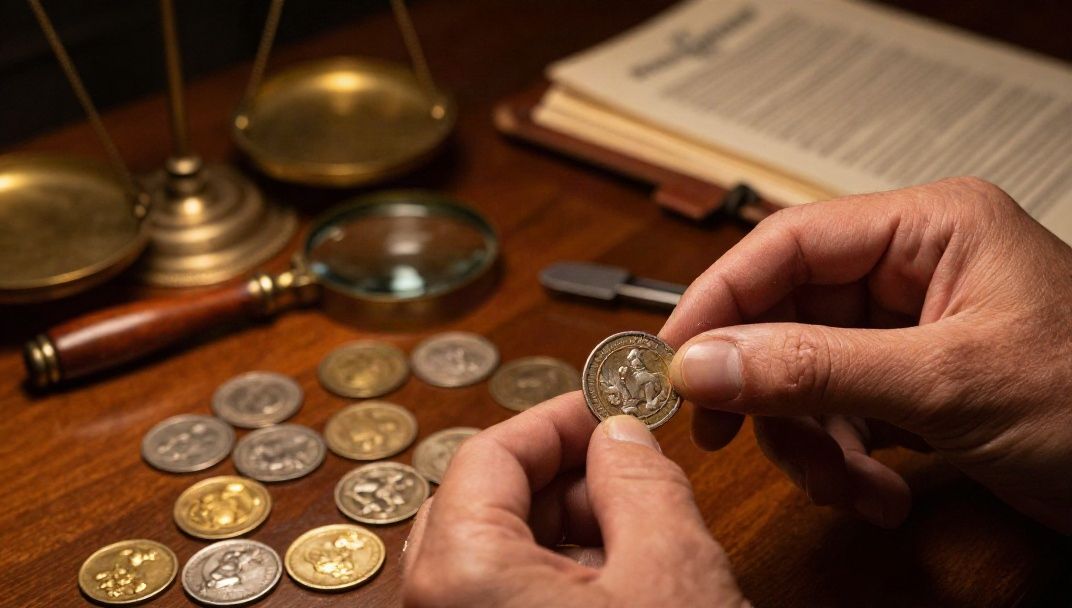
- Gold and silver coins
- Large gold chains and bracelets
- Antique or vintage jewelry
- Jewelry with significant gemstones
- Large collections
- Items with unclear or unusual markings
If you aren't sure what you own, identifying the item correctly should come before deciding whether an offer is good.
What Should You Compare Between Gold Buyers?
Suppose one gold buyer offers you $1,500 and another offers $1,700.
The second offer certainly deserves attention—but before making a decision, understand what each buyer evaluated.
Ask questions such as:
What does my jewelry weigh?
What karat or purity did you determine?
How did you test the jewelry?
What gold or precious-metal market price are you using?
Are the diamonds or gemstones included in the offer?
Does this piece have resale value beyond its precious-metal content?
Are there any fees or deductions?
How and when will I be paid?
A transparent buyer should be willing to explain the important factors used to determine the offer.
Compare the Weight of Your Gold
Weight is one of the most important factors when evaluating precious-metal jewelry.
Gold may be weighed in grams or pennyweights (DWT).
One pennyweight is approximately 1.555 grams, and there are 20 pennyweights in one troy ounce.
A troy ounce contains approximately 31.1035 grams.
The unit being used doesn't make your jewelry more or less valuable. What matters is that the weight and conversion are accurate.
If you're comparing multiple offers, knowing the weight of your jewelry gives you an important reference point.
Compare the Gold Purity
Gold jewelry comes in different purity levels.
Common examples include:
- 10K — approximately 41.7% gold
- 14K — approximately 58.3% gold
- 18K — 75% gold
- 22K — approximately 91.7% gold
- 24K — nearly pure gold
A 20-gram 10K bracelet does not contain the same amount of pure gold as a 20-gram 18K bracelet.
That's why proper testing matters.
A stamp such as 10K, 14K, 18K, 417, 585, or 750 can provide useful information, but markings should not always be treated as absolute proof of an item's composition.
Compare Offers Using the Same Gold Market
Gold prices fluctuate.
If you're going to compare offers, it can be helpful to get them relatively close together in time.
An offer received today and another received several weeks later may have been calculated under different precious-metal market conditions.
That doesn't necessarily mean either buyer changed their payout structure—the underlying gold market itself may have changed.
This is particularly important when gold prices are experiencing significant daily movement.
Don't Confuse Spot Price With Your Cash Offer
One of the most common sources of confusion when selling gold is the difference between gold spot price and the value of gold jewelry.
The quoted gold price generally refers to a troy ounce of fine gold.
Most jewelry isn't pure gold.
For example, 14K jewelry contains approximately 58.3% gold theoretically. The remainder consists of other metals used in the alloy.
A buyer also has to account for factors such as refining, processing, market risk and operating costs.
Therefore:
Gold spot price ≠ automatic cash offer for your jewelry.
When comparing buyers, make sure you understand how the current market price relates to the actual purity and weight of your items.
Does the Buyer Consider More Than Scrap Gold?
This is particularly important.
Not every gold item should automatically be treated as scrap.
A piece may have additional value because of its:
- Designer or maker
- Diamonds
- Gemstones
- Craftsmanship
- Condition
- Vintage or antique characteristics
- Collectability
- Style
- Secondary-market demand
Imagine selling a desirable designer bracelet solely for the value of its gold.
The mathematical gold calculation might be correct while the overall evaluation of the jewelry could still be incomplete.
A knowledgeable jewelry buyer should first determine what the item actually is before deciding whether it should be evaluated primarily as scrap, jewelry, or another type of collectible asset.
Should Diamonds and Gemstones Be Included?
If you're selling a gold ring containing diamonds or gemstones, ask whether the stones were considered.
Depending on the piece, factors such as carat weight, cut, color, clarity, origin, condition, type of gemstone, and current secondary-market demand may affect value.
However, not every stone has significant resale value.
This is another reason offers can differ.
One buyer may have a market for a particular stone or complete piece, while another may be interested primarily in its precious-metal content.
What About Designer Jewelry and Luxury Watches?
Getting multiple evaluations can be particularly worthwhile for recognizable designer jewelry and luxury watches.
These items shouldn't necessarily be evaluated based only on their metal weight.
Depending on the item, value may also be influenced by:
Brand, model, authenticity, condition, age, rarity, demand, original components, box, papers and current resale market.
If you have a potentially valuable designer piece, avoid modifying it simply to determine its scrap value before receiving a knowledgeable evaluation.
Should I Repair or Clean My Jewelry Before Getting an Offer?
Usually, don't spend money repairing, polishing or altering jewelry simply because you plan to sell it.
Get the item evaluated first.
A broken chain, damaged ring, missing stone, old watch, or heavily worn piece may still have value.
Likewise, aggressive polishing or unnecessary modifications can sometimes be undesirable for vintage, antique, collectible, or designer pieces.
Let an experienced professional examine the item in its current condition before deciding what should be done.
Jewelry Appraisal vs. Purchase Offer
Another important distinction is the difference between an appraisal and an offer to purchase.
An appraisal may be prepared for purposes such as insurance replacement, estate planning, documentation, or other specific needs.
That figure isn't automatically what someone will pay you for the item in the secondary market.
A purchase offer represents what a particular buyer is willing to pay for the item under current market conditions.
Therefore, don't be surprised if an insurance appraisal and a cash purchase offer are significantly different.
Local Gold Buyer vs. Online or Mail-In Gold Buyer
You may also choose between selling locally and using an online or mail-in service.
Both approaches can have advantages.
An online buyer may offer convenience if you don't have an appropriate buyer nearby.
An in-person jewelry buyer allows you to physically bring in your items, ask questions during the evaluation, and potentially receive an offer without shipping your valuables.
When comparing the two, consider:
- Shipping
- Insurance
- Turnaround time
- Testing process
- Ability to ask questions
- Return procedures
- Payment timing
- How disputes are handled
- Whether you're comfortable mailing valuable property
Choose the method that gives you the level of convenience, transparency and confidence you're comfortable with.
Gold Buyer vs. Pawn Shop
A pawn shop and a specialized jewelry or precious-metal buyer may operate differently.
Pawn shops frequently provide loans secured by personal property in addition to purchasing merchandise.
A jewelry or precious-metal buyer may focus more specifically on purchasing and evaluating gold, silver, platinum, diamonds, coins, watches, and jewelry.
Neither business model automatically determines what you'll be offered.
What matters is the actual evaluation, expertise, transparency, and offer you receive for your particular items.
Don't Let Anyone Pressure You Into Selling
Receiving an evaluation doesn't mean you have to sell.
If you don't understand an offer, ask questions.
If you're uncomfortable, take your jewelry with you.
If the item is particularly valuable or sentimental, consider getting another opinion.
A reputable transaction should allow you to make an informed decision without feeling pressured.
Should You Always Choose the Highest Offer?
Not necessarily—but the highest legitimate offer obviously deserves serious consideration.
Suppose one buyer offers $2,000 and another offers $2,050.
You should understand why they're different.
But if one buyer offers $900 and another offers $2,000 for the same item under comparable conditions, that difference deserves much closer examination.
Your goal should be to compare:
The offer + the evaluation + the explanation + the buyer's expertise + your confidence in the transaction.
Price matters. So does understanding what you're selling.
Where Can I Get a Gold or Jewelry Evaluation in
St. Louis?
If you're considering selling gold or jewelry in the St. Louis area, St. Louis Gold Buyers & Jewelry Center provides evaluations for a wide range of valuables, including:
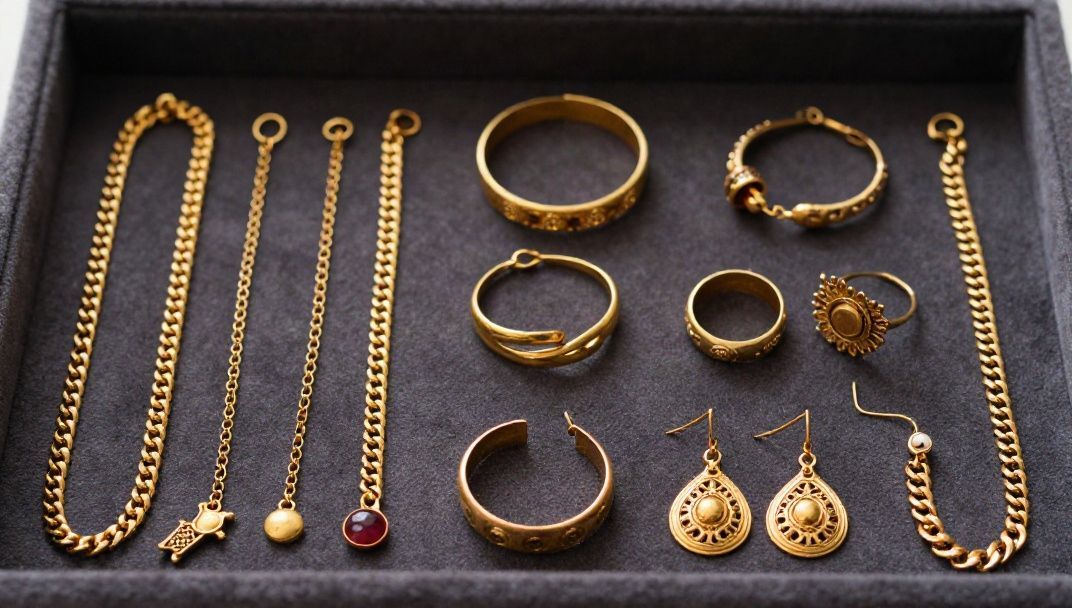
- Gold jewelry
- Broken and scrap gold
- Silver
- Sterling silver
- Platinum
- Diamonds
- Estate jewelry
- Inherited jewelry
- Gold and silver coins
- Luxury watches
- Designer jewelry
We believe customers should understand what they have before deciding whether to sell.
Our evaluation process focuses on factors such as weight, purity, testing, current precious-metal prices, condition, stones, and other characteristics that may contribute to an item's value.
The Bottom Line: Should I Get Multiple Offers Before Selling My Gold?
Yes, especially when you're uncertain about the value of your items or you're selling something substantial.
But don't turn the process into nothing more than collecting numbers.
Find out:
What do I actually have?
What does it weigh?
What is its purity?
How was it tested?
Were my diamonds or gemstones considered?
Could it have value beyond scrap?
How was the offer determined?
The more you understand about your jewelry, the easier it becomes to compare offers intelligently.
At St. Louis Gold Buyers & Jewelry Center, our goal is to give you the information you need to make that decision confidently.