10K vs. 14K vs. 18K vs. 24K Gold
10K vs. 14K vs. 18K vs. 24K Gold: What’s the Difference and Which Is Worth More?
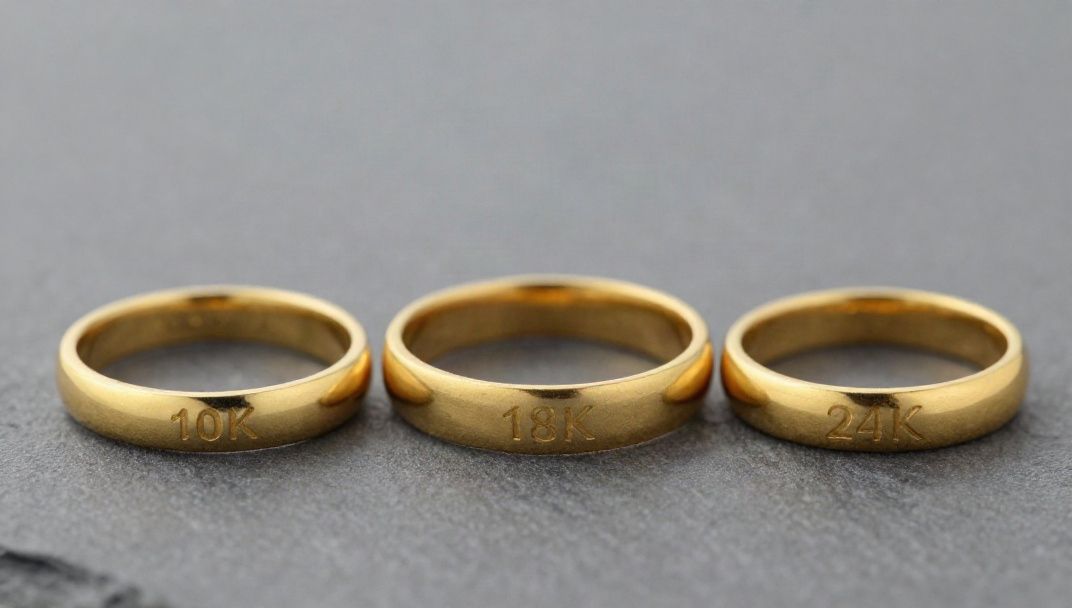
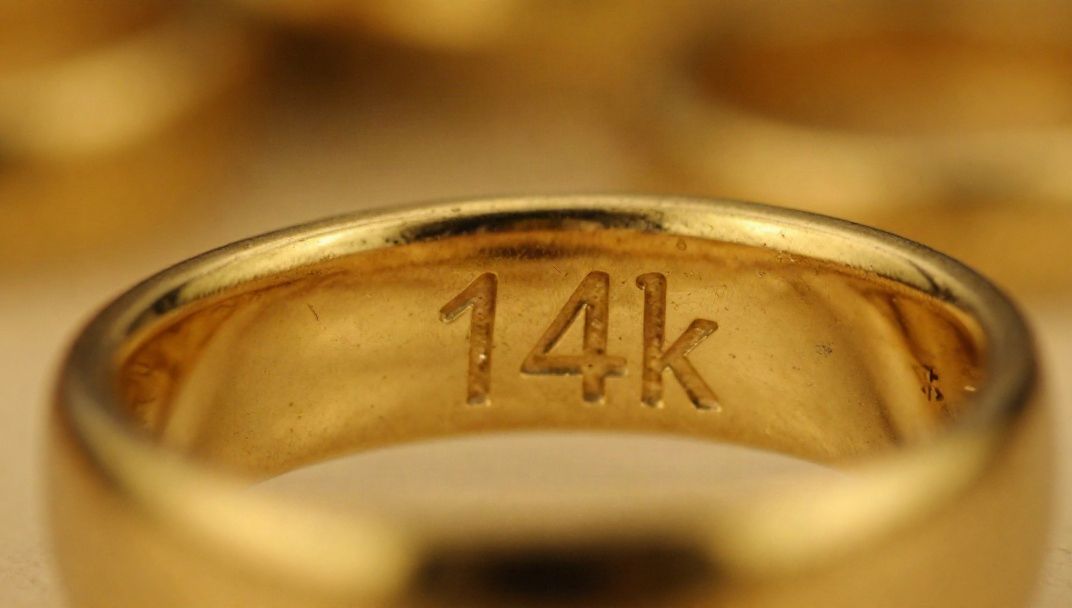
If you have ever looked inside a gold ring, bracelet, necklace, or pair of earrings, you may have noticed a small marking such as 10K, 14K, 18K, or 24K. These markings indicate the purity of the gold and can have a major impact on how much your jewelry is worth.
At St. Louis Gold Buyers & Jewelry Center, one of the most common questions we hear is: “What is the difference between 10K, 14K, 18K, and 24K gold?”
The answer comes down to how much pure gold is actually contained in the jewelry. Understanding gold karats is especially important if you are considering selling old, broken, inherited, or unwanted gold jewelry.
What Does Karat Mean in Gold Jewelry?
A karat, abbreviated as K, measures the purity of gold. Pure gold is considered 24 karats, so the karat number tells you how many parts out of 24 are pure gold. The remaining portion generally consists of other metals used to create an alloy. These metals can include silver, copper, zinc, palladium, and other materials. Adding other metals can make jewelry harder, more durable, and better suited for everyday wear. Here is the basic breakdown:
10K Gold — approximately 41.7% pure gold
10 ÷ 24 = approximately 41.7%.
14K Gold — approximately 58.3% pure gold
14 ÷ 24 = approximately 58.3%.
18K Gold — 75% pure gold
18 ÷ 24 = 75%.
24K Gold — approximately 99.9% pure gold
Because 24K is essentially pure gold, it contains significantly more gold by weight than lower-karat jewelry.
What Is 10K Gold?
10K gold is one of the lower-purity gold alloys commonly found in jewelry. It contains approximately 41.7% pure gold and 58.3% other metals.
Because it contains a relatively high percentage of alloy metals, 10K gold can be durable and resistant to everyday wear. You may also see 10K jewelry stamped:10K, 10KT, 417 or 416. Although 10K contains less pure gold than 14K or 18K, it can still have substantial value—especially when you have heavier rings, chains, bracelets, or multiple pieces. Never assume 10K jewelry isn't worth selling simply because it has a lower karat.
What Is 14K Gold?
14K gold is extremely common in jewelry in the United States. It contains approximately 58.3% pure gold, with the remainder consisting of other metals.
Common markings include: 14K, 14KT, 585 or 583. Because 14K combines substantial gold content with durability, it is commonly found in:
- Engagement rings
- Wedding bands
- Gold chains
- Bracelets
- Earrings
- Pendants
- Estate jewelry
For people looking to sell gold jewelry in St. Louis, 14K is one of the gold purities we frequently evaluate.
What Is 18K Gold?
18K gold contains 75% pure gold and approximately 25% other metals. You may see markings such as: 18K, 18KT or 750. Because it contains substantially more pure gold than 10K or 14K, 18K jewelry generally has greater intrinsic gold value when comparing items of the same weight. 18K is also commonly associated with fine and luxury jewelry.
It may be found in:
- Designer jewelry
- High-end engagement rings
- Luxury watches
- European jewelry
- Estate pieces
- Fine gold chains
However, karat isn't the only factor that determines what an entire piece is worth. Diamonds, gemstones, designer names, craftsmanship, condition, and resale demand can also influence value.
What Is 24K Gold?
24K gold is essentially pure gold. It is typically around 99.9% pure, although exact fineness can vary. Common markings include: 24K, 999 or 999.9. Because pure gold is relatively soft, 24K is less commonly used for everyday jewelry in the United States than 10K, 14K, or 18K. However, it is frequently found in:
- Gold bars
- Bullion
- Certain gold coins
- Investment products
- Jewelry from some international markets
Because 24K contains the highest concentration of gold, it generally has the highest intrinsic gold value per unit of weight.
Is 18K Gold Worth More Than 14K Gold?
If two pieces weigh exactly the same and other factors are ignored, 18K contains more pure gold than 14K and therefore has greater intrinsic gold content.
For example, imagine two rings that each weigh 10 grams. A 10-gram 14K ring contains approximately 5.83 grams of theoretical pure gold content before accounting for testing tolerances and other considerations. A 10-gram 18K ring contains approximately 7.5 grams. That difference matters when determining precious-metal value. However, simply knowing that a ring is 18K isn't enough to determine its cash value. Its actual weight and verified purity must also be considered.
Does the Color of Gold Determine Its Purity?
No.
Yellow gold, white gold, and rose gold can all exist in different karats.
For example, you can have:
- 10K yellow gold
- 14K yellow gold
- 18K yellow gold
- 14K white gold
- 18K white gold
- 14K rose gold
- 18K rose gold
The color comes primarily from the particular metals alloyed with the gold. It does not, by itself, tell you how much pure gold is present.
This is one reason professional testing is important.
What Do 417, 585 and 750 Mean on Jewelry?
Not every piece uses a traditional karat stamp. Some jewelry uses fineness markings.
For example:
417 = approximately 41.7% gold = 10K
585 = approximately 58.5% gold = commonly recognized as 14K
750 = 75% gold = 18K
916 = approximately 91.6% gold = approximately 22K
999 = approximately 99.9% gold = approximately 24K
These numbers can be particularly common on European and international jewelry.
If you find an unfamiliar number inside a ring or on the clasp of a necklace, don't automatically assume the piece isn't gold.
Can Broken 10K or 14K Jewelry Still Be Worth Money?
Absolutely.
One of the biggest misconceptions about selling gold jewelry is that it needs to be wearable.
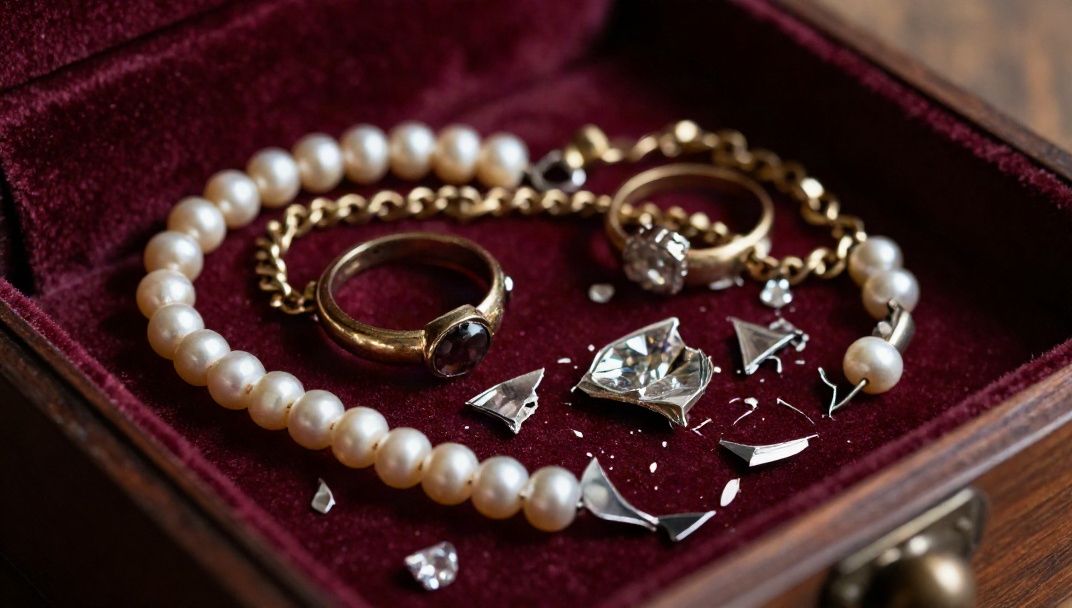
A broken clasp, missing stone, bent ring, damaged chain, outdated design, or single unmatched earring does not eliminate the precious metal contained in the item.
At St. Louis Gold Buyers & Jewelry Center, we buy many forms of unwanted gold, including broken and scrap jewelry.
Items can include old:
- Rings
- Chains
- Bracelets
- Earrings
- Pendants
- Wedding bands
- Dental gold
- Estate jewelry
- Scrap gold
Even pieces that haven't been worn in decades may contain valuable gold.
How Is the Value of Gold Jewelry Determined?
When evaluating gold jewelry, several factors should be considered.
1. Gold Purity
We determine whether the item is 10K, 14K, 18K, or another purity.
2. Weight
The jewelry is accurately weighed using professional equipment.
3. Current Gold Market Price
Gold is traded internationally, and its market price changes throughout the trading day.
4. Actual Precious-Metal Content
The item's purity and weight help determine how much gold it contains.
5. Additional Jewelry Value
Some pieces should not be treated simply as scrap.
Diamonds, valuable gemstones, luxury brands, vintage designs, and desirable estate jewelry may deserve additional consideration.
Why Professional Gold Testing Matters
A stamp is helpful, but a professional gold buyer shouldn't rely solely on the marking.
Jewelry can be:
- Mismarked
- Heavily repaired
- Gold-filled
- Gold-plated
- Made from multiple metals
- Missing its original hallmark
Professional testing helps determine what the item actually contains.
At St. Louis Gold Buyers & Jewelry Center, our goal is to make the evaluation process transparent. Customers can see their items being evaluated and weighed, and we explain how current precious-metal pricing relates to the offer.
Where Can I Sell 10K, 14K, 18K or 24K Gold in St. Louis?
If you are searching for “gold buyers near me,” “sell gold St. Louis,” “cash for gold St. Louis,” or “where can I sell gold jewelry in St. Louis?”, knowing your karat is an excellent starting point. But don't feel like you have to identify everything yourself. Bring your jewelry to St. Louis Gold Buyers & Jewelry Center and let our experienced team examine it.
We buy 10K, 14K, 18K, 22K and 24K gold, along with silver, platinum, diamonds, coins, luxury watches, estate jewelry, broken jewelry, and other valuables.
Our Saint Ann showroom provides professional evaluations in a straightforward, no-pressure environment, with immediate same-day payment available when you decide to sell. Whether you have one broken 10K ring or an entire collection of 14K and 18K estate jewelry, understanding the purity of your gold is the first step toward understanding its value. St. Louis Gold Buyers & Jewelry Center is here to help you determine exactly what you have and what it may be worth in today's market.