Estate Buyers in St. Louis
Estate Buyers in St. Louis: Where to Sell Jewelry, Coins, Watches & Silver
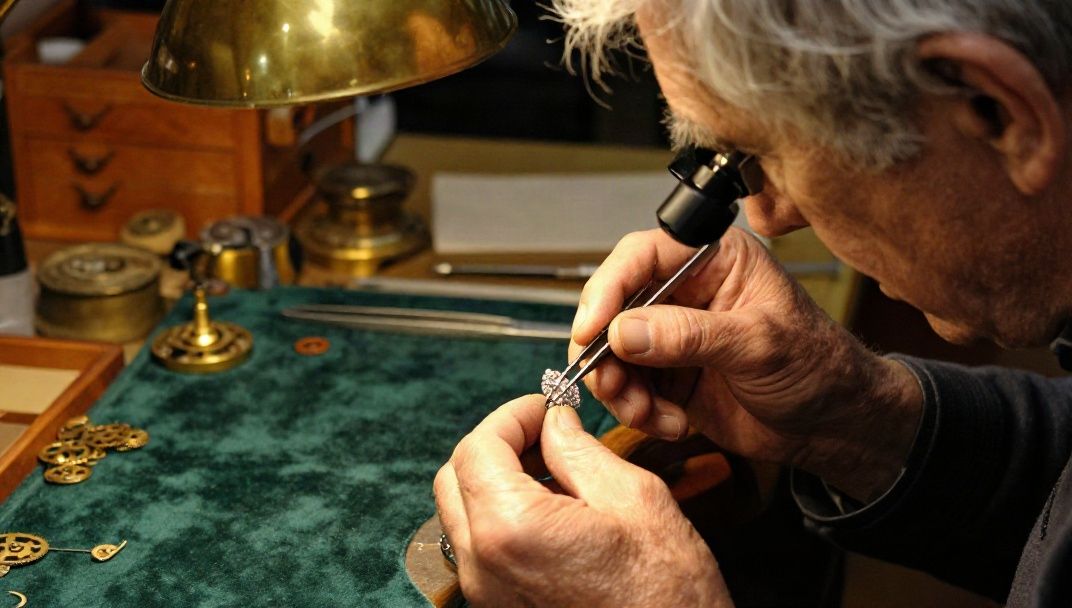
Have you inherited jewelry from a family member, discovered a collection of old coins, or been responsible for sorting through valuable belongings after a loved one's passing? You may be wondering, “Where can I find trustworthy estate buyers in St. Louis who will offer a fair price for jewelry, gold, silver, diamonds, and watches?”
Handling an estate can involve important financial decisions. Some inherited items may have significant precious-metal value, while others may be worth more because of their craftsmanship, designer brand, rarity, condition, or collector demand.
At St. Louis Gold Buyers & Jewelry Center, we help customers throughout the St. Louis metropolitan area evaluate inherited jewelry, gold and silver coins, sterling silver, diamonds, luxury watches, and other eligible estate valuables.
We believe customers deserve transparent testing, accurate weighing, clear explanations, competitive purchase offers, and the freedom to make decisions without pressure.
Whether you're an executor managing an estate, a family member selling inherited valuables, or someone downsizing a personal collection, this guide explains where to sell estate jewelry in St. Louis, what estate buyers purchase, how valuations work, and what to know before selling.
1. What Are Estate Buyers, and What Do They Purchase?
Estate buyers are businesses or professionals that purchase previously owned valuables, often from inherited collections, family estates, or individuals downsizing their possessions.
However, estate buyers do not all specialize in the same merchandise.
Some estate liquidation companies handle furniture, antiques, artwork, collectibles, and household goods. Others specialize in precious metals, fine jewelry, diamonds, coins, and watches.
Common estate valuables include:
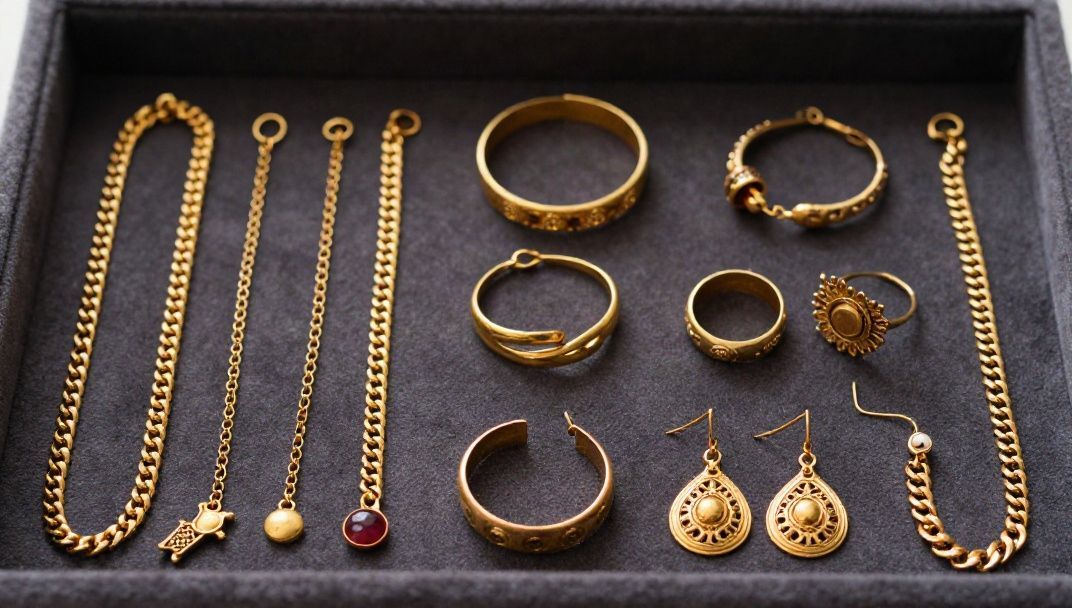
- Gold rings, necklaces, bracelets, and earrings
- Diamond engagement rings and wedding bands
- Vintage and antique jewelry
- Platinum jewelry
- Sterling silver jewelry
- Gold and silver coins
- Gold and silver bullion
- Sterling silver flatware and serving pieces
- Luxury watches
- Designer jewelry
- Broken or damaged gold jewelry
- Gold-filled jewelry and other precious-metal items
The best estate buyer depends on what you own.
For example, an estate containing antique furniture and household belongings may require a full-service estate sale company.
An estate containing gold, diamonds, sterling silver, luxury watches, and precious-metal coins may benefit from working with a specialized jewelry and precious-metal buyer.
Choosing a buyer who understands your specific valuables can make a meaningful difference in the evaluation process.
2. Where Can I Sell Estate Jewelry in St. Louis?
Estate jewelry is one of the most common categories of valuables found in inherited collections.
The term estate jewelry refers to previously owned jewelry. It does not necessarily mean the jewelry is antique or extremely old.
A modern diamond ring inherited from a family member can be considered estate jewelry, just as a vintage gold necklace passed down through generations can.
Examples of estate jewelry include:
- Gold wedding bands
- Diamond engagement rings
- Gold necklaces and chains
- Gold bracelets
- Diamond earrings
- Vintage brooches
- Gold charms and pendants
- Platinum rings
- Sterling silver jewelry
- Designer bracelets and necklaces
- Broken or outdated jewelry
When evaluating estate jewelry, professional buyers may consider several sources of value.
These include precious-metal content, gemstone quality, designer recognition, craftsmanship, condition, and resale demand.
For example, a broken 14K gold necklace may be valued primarily for its recoverable gold content.
An authenticated designer bracelet or desirable vintage diamond ring may have additional resale value beyond its precious-metal content.
If you're unsure what your inherited jewelry may be worth, it helps to understand how professional buyers evaluate previously owned pieces.
Our article How Much Do Gold Buyers Pay for Gold Jewelry? explains the factors that influence gold jewelry purchase offers.
3. What Is the Difference Between Estate, Vintage, and Antique Jewelry?
Although these terms are sometimes used interchangeably, they describe different categories.
Estate Jewelry
Estate jewelry simply means previously owned jewelry, regardless of its age.
Vintage Jewelry
Vintage jewelry generally refers to older jewelry associated with a recognizable design period. The age threshold can vary among sellers and collectors.
Antique Jewelry
Antique jewelry is commonly considered jewelry that is at least 100 years old.
However, age alone does not determine value.
A modern solid gold bracelet may contain more precious-metal value than an older piece made from inexpensive materials.
Likewise, certain antique jewelry pieces may command additional premiums because of their craftsmanship, historical importance, rarity, or collector demand.
Before selling, it is important to determine whether your jewelry should be evaluated primarily for its precious-metal content, resale potential, or collectible value.
4. How Much Is Inherited Gold Jewelry Worth?
Inherited gold jewelry may retain significant value even if it is damaged, outdated, or no longer fashionable.
Gold jewelry is commonly manufactured in several purity levels.
Gold PurityApproximate Gold Content10K41.7%14K58.3%18K75%22K91.7%24KNearly pure gold
The amount of actual gold in a piece depends on its purity and weight.
For example, two necklaces may each weigh 20 grams, but an 18K gold necklace contains more pure gold than a 10K necklace of the same weight.
Professional gold buyers may examine hallmarks, test the metal, weigh the applicable material, and consider current market prices.
Factors affecting inherited gold jewelry value include:
- Gold purity
- Actual weight
- Current gold spot price
- Condition
- Gemstones
- Designer recognition
- Resale demand
- Recoverable precious-metal content
Some estate jewelry may have additional value beyond its gold content.
At St. Louis Gold Buyers & Jewelry Center, we explain our evaluation process so customers understand how their offers are determined.
Learn more about our gold-buying services in St. Louis and what to expect when selling inherited gold jewelry.
5. Who Buys Inherited Diamond Rings and Diamond Jewelry?
Diamond jewelry is frequently found in family estates.
A collection may include diamond engagement rings, wedding bands, anniversary rings, earrings, necklaces, pendants, or loose diamonds.
However, the resale value of diamond jewelry can vary considerably.
Important diamond characteristics include:
- Carat weight
- Cut quality
- Color
- Clarity
- Shape
- Condition
- Certification
- Natural or laboratory-grown origin
- Current market demand
A natural diamond with desirable characteristics may have a different resale market than a laboratory-grown diamond of similar appearance.
The precious-metal setting may also contribute value.
For example, a diamond engagement ring may contain a valuable center diamond, smaller accent stones, and a platinum or gold setting.
A knowledgeable jewelry buyer should consider the relevant components rather than automatically valuing the entire ring as scrap metal.
What if you have an old diamond appraisal?
Bring it with you.
An appraisal or grading report may provide useful information about the diamond or setting.
However, an insurance replacement appraisal does not necessarily represent the amount a buyer will offer in today's resale market.
For particularly unusual or valuable diamonds, an independent specialist evaluation may be appropriate.
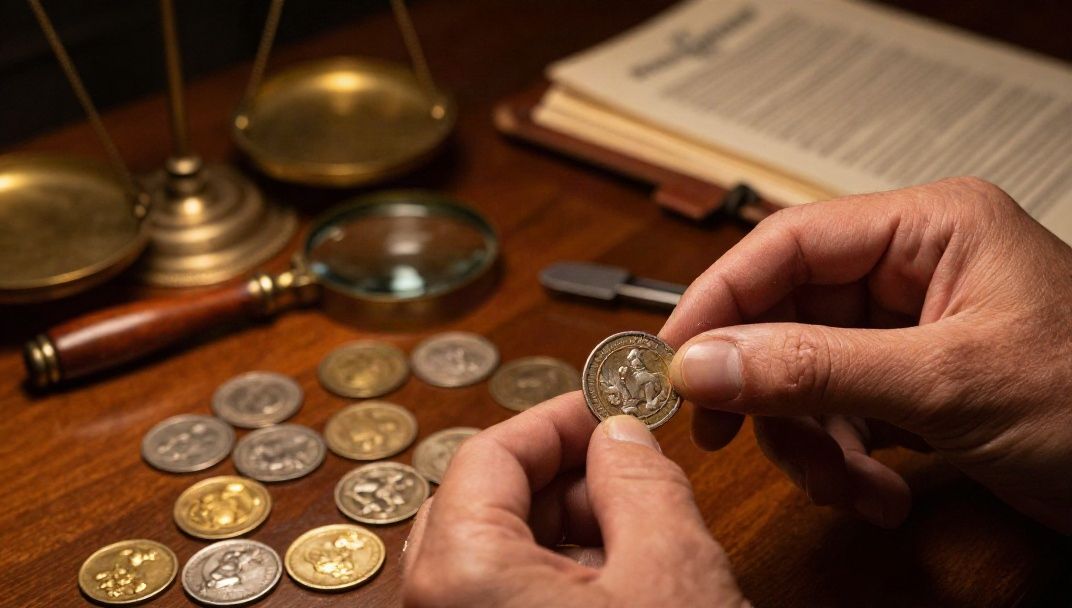
6. Where Can I Sell Inherited Gold and Silver Coins?
Many estates contain coins collected over decades or purchased as precious-metal investments.
These collections may include:
- American Gold Eagles
- American Silver Eagles
- Morgan silver dollars
- Peace silver dollars
- Pre-1933 U.S. gold coins
- Canadian Gold Maple Leafs
- Silver dimes, quarters, and half dollars
- Gold and silver bullion
- Proof sets
- Mint sets
- Professionally graded coins
Some coins are valuable primarily because of their precious-metal content.
Others may have additional collectible value based on rarity, date, mint mark, condition, and demand.
For example, a common silver bullion coin may be valued primarily according to its silver content and market premium.
A scarce-date Morgan silver dollar in excellent condition may command a collector premium beyond its silver value.
Do not clean inherited coins before having them evaluated.
Cleaning can damage original surfaces and potentially reduce numismatic value.
If you discover coins stored in protective holders, albums, or professional grading cases, leave them intact.
For more information about choosing the right coin buyer, read our guide on where to sell gold and silver coins.
7. Who Buys Sterling Silver Flatware and Estate Silver?
Sterling silver flatware, serving pieces, and decorative objects are frequently inherited.
Some families own complete silverware sets that have been passed down through generations.
Others discover individual pieces stored in cabinets, boxes, or drawers.
Common estate silver items include:
- Sterling silver forks
- Sterling silver spoons
- Sterling silver knives
- Sterling silver serving utensils
- Sterling silver bowls
- Sterling silver trays
- Sterling silver pitchers
- Sterling silver tea sets
- Sterling silver jewelry
- Sterling silver candlesticks
Sterling Silver vs. Silver-Plated Items
Not every silver-colored item contains a substantial amount of silver.
Sterling silver generally contains 92.5% pure silver.
Common markings include:
- Sterling
- Sterling Silver
- 925
- 925/1000
Silver-plated items generally contain a thin coating of silver over another base metal.
Because the silver content is different, their precious-metal values may vary considerably.
What About Weighted Sterling Silver?
Some estate silver pieces contain filler materials.
For example, weighted candlesticks may include non-silver material inside their bases.
Similarly, sterling silver knives may have stainless steel blades and hollow or weighted handles.
A proper evaluation considers the recoverable silver content rather than assuming the entire item's weight is sterling silver.
If you've inherited silver flatware, silver jewelry, or other silver valuables, explore our silver-buying services in St. Louis.
8. Who Buys Inherited Luxury Watches in St. Louis?
Luxury watches can be among the most valuable individual items found in an estate.
Recognized watchmakers include Rolex, Omega, Cartier, Breitling, TAG Heuer, Tudor, Patek Philippe, and Audemars Piguet.
However, a recognizable brand name alone does not establish value.
Factors influencing luxury watch resale value include:
- Brand and model
- Reference number
- Authenticity
- Condition
- Original components
- Service history
- Age
- Market demand
- Box and paperwork
- Precious-metal content
A stainless steel luxury watch may have substantial resale value because of its brand, model, or demand.
An older gold watch may have value from both its gold content and its potential resale market.
Can I sell a watch that doesn't work?
Some buyers purchase nonworking luxury watches.
However, mechanical problems, missing parts, aftermarket modifications, and repair costs may affect the offer.
Do I need the original box and papers?
Not necessarily.
Original packaging, warranty cards, service records, and receipts may help establish identification and support resale value, but watches can often be evaluated without them.
For rare or unusually valuable timepieces, specialist authentication or evaluation may be appropriate.
9. Should I Sell an Entire Estate Collection or Individual Items?
Selling an entire collection to one buyer may be convenient, but different categories of valuables can have different resale markets.
For example:
- Gold jewelry may be evaluated by a specialized gold buyer.
- Rare coins may require numismatic expertise.
- Luxury watches may benefit from a watch specialist.
- Antique furniture may be better suited to an estate sale company.
- Fine art may require an art specialist.
An estate containing gold, silver, diamonds, watches, and precious-metal coins may be easier to evaluate when working with a business experienced in several of those categories.
However, that does not mean every item should automatically be sold together.
You can separate items you wish to keep, identify unusual pieces requiring additional research, and obtain offers on the remaining valuables.
For large estates, creating a basic inventory before selling can also help you maintain accurate records.
10. How Do Estate Buyers Determine What Valuables Are Worth?
Different estate items require different evaluation methods.
A professional buyer may use several techniques depending on the type of property.
Precious-Metal Testing
Gold, silver, and platinum items may be examined to determine their metal content.
Precision Weighing
Precious metals may be weighed in grams, pennyweights, or troy ounces.
Gemstone Evaluation
Diamonds and other gemstones may be examined for characteristics affecting resale value.
Designer Identification
Recognized jewelry and watch brands may influence demand.
Condition Assessment
Damage, missing stones, wear, alterations, and mechanical problems can affect resale potential.
Market Research
Buyers may consider current precious-metal prices and comparable resale transactions.
Collectible Value
Certain coins, watches, jewelry pieces, and antiques may command premiums beyond their material value.
A transparent buyer should explain the relevant factors rather than simply presenting a dollar amount without context.
11. How Do Gold and Silver Market Prices Affect Estate Values?
Gold and silver prices fluctuate as global market conditions change.
When evaluating estate jewelry or precious-metal coins, the current market price is an important reference point.
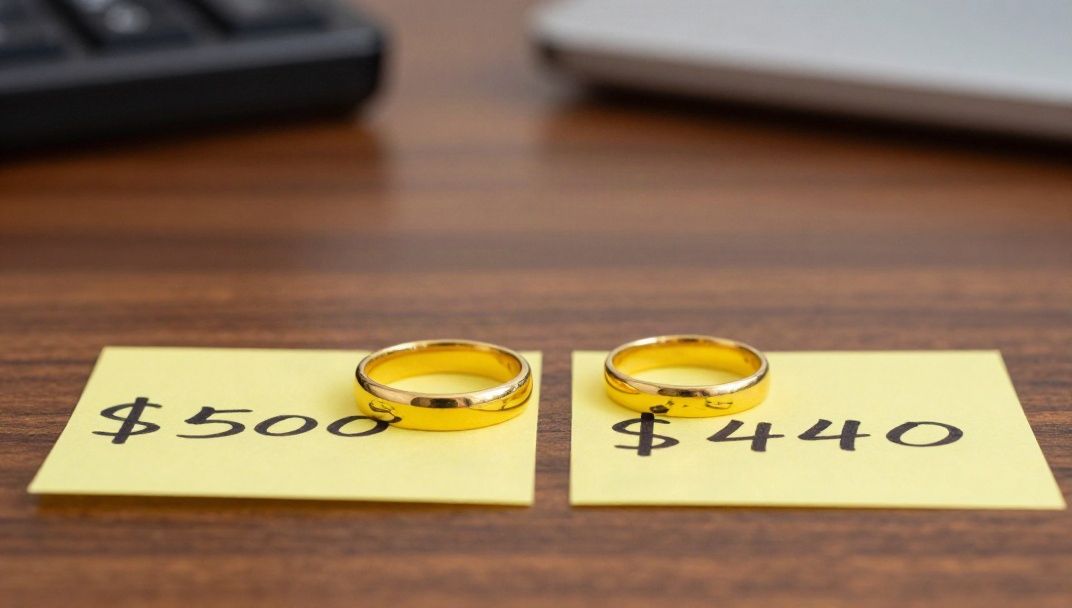
However, the spot price is not necessarily the amount a buyer will pay.
A gold ring, for example, may contain 10K, 14K, or 18K gold rather than pure gold.
Similarly, sterling silver flatware typically contains 92.5% silver rather than 100% silver.
A buyer must account for the item's actual precious-metal content and other relevant costs or resale considerations.
Understanding the relationship between weight, purity, and spot price helps estate sellers compare offers more confidently.
For additional information, read What Is Gold Spot Price and Why Does It Matter When Selling Gold?.
12. Should I Get Estate Jewelry Appraised Before Selling It?
Not every inherited item requires a formal appraisal.
For common gold jewelry primarily valued for its precious-metal content, a purchase evaluation may be sufficient.
However, formal appraisals may be useful for:
- Probate or estate administration
- Insurance documentation
- Distribution among beneficiaries
- High-value diamonds
- Antique jewelry
- Rare watches
- Unusual gemstones
- Potentially collectible pieces
- Tax-related documentation
It is important to distinguish between a purchase evaluation and a formal appraisal.
Purchase Evaluation
An assessment used to determine what a buyer is willing to pay for an item.
Formal Appraisal
A documented opinion of value prepared for a specific purpose, such as insurance, estate administration, or fair-market valuation.
These amounts may differ significantly.
If you're managing an estate, consult the appropriate legal or tax professional to determine whether a formal appraisal is required before selling or distributing property.
13. What Should I Do Before Selling Inherited Valuables?
Preparation can help you avoid overlooking valuable pieces or creating confusion during estate administration.
Step 1: Identify Personal Keepsakes
Separate jewelry, watches, and other belongings that family members may wish to retain.
Step 2: Organize the Collection
Group items into categories such as gold jewelry, silver, diamonds, watches, and coins.
Step 3: Preserve Documentation
Keep receipts, appraisals, grading reports, certificates, watch papers, and original packaging.
Step 4: Avoid Unnecessary Cleaning
Do not aggressively polish antique jewelry or clean potentially collectible coins.
Step 5: Photograph Valuable Items
Photographs and an inventory can help document what is being evaluated.
Step 6: Identify Unusual Pieces
Rare coins, designer jewelry, and high-value watches may require additional specialist attention.
Step 7: Obtain Professional Evaluations
A knowledgeable buyer can explain the factors contributing to an item's purchase value.
Step 8: Compare Offers When Appropriate
For particularly valuable or unusual items, additional opinions may be worthwhile.
Step 9: Keep Transaction Records
Maintain receipts and records of completed sales, especially when multiple beneficiaries are involved.
Important: Confirm that you have the legal authority to sell estate property before completing a transaction.
14. Is It Better to Sell Estate Valuables Locally or Online?
Both options may be appropriate, depending on the items and your priorities.
Benefits of Selling Locally
- In-person evaluations
- Direct communication
- No shipping requirement
- Transparent testing and weighing
- Immediate purchase offers for eligible items
- Prompt payment when an offer is accepted
- The opportunity to ask questions face-to-face
Considerations When Selling Online
- Shipping expenses
- Insurance costs
- Seller commissions
- Authentication requirements
- Processing delays
- Return policies
- Buyer disputes
- Payment timelines
Rare or highly collectible items may sometimes attract stronger interest through specialized auctions or online marketplaces.
For common gold jewelry, sterling silver, and precious-metal coins, selling locally may provide a convenient alternative.
Compare the net amount you expect to receive, the time involved, and the risks—not just the advertised selling price.
15. Should I Sell Estate Jewelry to a Pawn Shop or a Specialized Jewelry Buyer?
Pawn shops and specialized jewelry buyers can have different business models.
Pawn shops commonly provide collateral-based loans in addition to purchasing merchandise.
Specialized jewelry buyers focus on evaluating and purchasing jewelry, precious metals, diamonds, and related valuables.
When comparing businesses, consider:
- Their experience with the type of item you're selling
- Whether testing and weighing are explained
- How precious-metal purity is determined
- Whether significant diamonds are considered
- Whether designer or resale value is recognized
- The actual purchase offer
- Payment terms
- Whether you feel pressured to sell
A knowledgeable buyer should be willing to explain how an offer was calculated.
The best buyer is not necessarily the business with the loudest advertisement. It is the buyer who understands your items and provides a competitive, clearly explained offer.
16. What Mistakes Should I Avoid When Selling Estate Jewelry and Valuables?
Estate sellers sometimes make decisions without fully understanding the items they own.
Common mistakes include:
Assuming Everything Old Is Valuable
Age alone does not make an item rare or collectible.
Assuming Broken Jewelry Has No Value
Broken gold, silver, and platinum jewelry may retain significant precious-metal value.
Cleaning Old Coins
Cleaning can damage collectible coins and reduce their potential value.
Selling Designer Jewelry Strictly for Scrap
Certain authenticated designer pieces may have resale value beyond their precious-metal content.
Relying Entirely on Old Appraisals
Insurance replacement values may differ significantly from current resale offers.
Discarding Watch Documentation
Original boxes, service records, and warranty cards may help identify and market luxury watches.
Selling Before Confirming Authority
Executors and administrators should confirm their authority before disposing of estate property.
Failing to Keep Records
Inventories, photographs, receipts, and transaction records can be important when multiple beneficiaries are involved.
Taking time to understand the collection can help you make more informed decisions.
17. Where Can I Find Estate Buyers Near St. Ann, Florissant, Hazelwood, and St. Louis?
If you're searching for estate jewelry buyers in St. Louis County, visiting a local specialized buyer can be a practical first step.
St. Louis Gold Buyers & Jewelry Center is located at:
9814 St. Charles Rock Road
St. Ann, Missouri 63074
We serve customers throughout the greater St. Louis metropolitan area, including:
- St. Ann
- Breckenridge Hills
- Florissant
- Hazelwood
- Bridgeton
- Maryland Heights
- Overland
- St. Charles
- Surrounding St. Louis communities
Customers visit our location with inherited jewelry, gold and silver coins, sterling silver, diamond jewelry, luxury watches, and other eligible valuables.
We provide free, no-obligation evaluations and explain the factors that influence our purchase offers.
For large or complex collections, contacting us before visiting can help determine how much evaluation time may be needed.
Visit the St. Louis Gold Buyers & Jewelry Center homepage to learn more about our business and the valuables we purchase.
18. Why Choose St. Louis Gold Buyers & Jewelry Center for Estate Valuables?
Handling inherited valuables can involve important financial decisions and sentimental belongings.
At St. Louis Gold Buyers & Jewelry Center, we believe every customer deserves professional service, transparent explanations, and the freedom to decide whether selling is right for them.
Free, No-Obligation Evaluations
We evaluate eligible jewelry, precious metals, coins, watches, and other valuables without requiring customers to accept an offer.
Transparent Testing and Weighing
We explain relevant testing and weighing procedures so customers understand how their items are evaluated.
Competitive Purchase Offers
We consider precious-metal content, market conditions, condition, resale potential, and other relevant factors when determining offers.
Same-Day Payment
When an eligible purchase offer is accepted, payment is generally provided the same day.
Multiple Categories of Valuables
We purchase many types of gold, silver, platinum, diamonds, jewelry, coins, watches, and other eligible estate items.
Professional, No-Pressure Service
We encourage customers to ask questions, compare their options, and make informed decisions.
Whether you're selling a few inherited rings, a collection of sterling silver flatware, gold coins, or multiple pieces of estate jewelry, our team is here to help.
Frequently Asked Questions About Estate Buyers in St. Louis
Who buys estate jewelry near me?
Professional jewelry buyers, precious-metal dealers, estate jewelry specialists, auction houses, and certain jewelry stores purchase estate jewelry. The appropriate buyer depends on the type, condition, and potential value of the items.
Where can I sell inherited jewelry in St. Louis?
Local jewelry buyers and precious-metal specialists may purchase inherited gold, silver, platinum, diamond, and estate jewelry. St. Louis Gold Buyers & Jewelry Center provides free evaluations for eligible items at its St. Ann location.
Can I sell an entire inherited jewelry collection?
Many buyers purchase multiple pieces or collections, depending on their specialties. Large or unusual collections may require additional evaluation time or specialist opinions.
Do estate buyers purchase broken gold jewelry?
Yes, many do. Broken gold jewelry can retain significant precious-metal value even if it is no longer wearable.
Who buys inherited sterling silver flatware?
Precious-metal buyers and certain estate specialists purchase sterling silver flatware and serving pieces. Value depends on recoverable silver content, construction, condition, and resale demand.
Can I sell inherited luxury watches without boxes or papers?
Many watch buyers evaluate watches without original packaging. However, documentation may help establish identification and influence resale appeal.
Do I need an appraisal before selling estate jewelry?
Not always. A purchase evaluation may be sufficient for ordinary jewelry sales. Formal appraisals may be needed for estate administration, insurance, taxes, or unusual high-value pieces.
Is estate jewelry always antique?
No. Estate jewelry simply means previously owned jewelry. It can be modern, vintage, or antique.
Can an executor sell inherited jewelry?
An executor or administrator may have authority to sell estate property depending on applicable law, court requirements, and the estate's circumstances. Professional legal guidance may be appropriate.
Is it better to sell estate jewelry locally or online?
Local selling can provide convenience, in-person evaluations, and prompt payment. Online marketplaces may reach broader audiences but can involve fees, shipping, delays, and additional risks.
How long does an estate jewelry evaluation take?
The time required depends on the number, type, and complexity of the items. Large collections or unusual valuables may require additional research or evaluation time.
Conclusion: Where Is the Best Place to Sell Estate Jewelry and Valuables in St. Louis?
If you're searching for “estate buyers in St. Louis,” “who buys inherited jewelry near me,” or “where can I sell estate jewelry, coins, watches, and silver,” choosing a knowledgeable buyer is one of the most important steps.
An inherited collection may contain gold jewelry, natural diamonds, sterling silver, collectible coins, luxury watches, and other items with different sources of value.
Before selling, organize the collection, preserve documentation, identify potentially collectible items, and understand how the purchase offer is determined.
For valuable or unusual pieces, consider additional specialist evaluations.
At St. Louis Gold Buyers & Jewelry Center, we help customers evaluate inherited jewelry, precious metals, gold and silver coins, sterling silver, watches, and other eligible valuables.
Our goal is to provide professional service, transparent explanations, and competitive purchase offers so you can make informed decisions.
Have inherited jewelry, coins, watches, or sterling silver you no longer wish to keep? Find out what they may be worth.
Contact St. Louis Gold Buyers & Jewelry Center to ask about your collection or plan a visit.
St. Louis Gold Buyers & Jewelry Center
9814 St. Charles Rock Road
St. Ann, MO 63074
Phone: (314) 427-4653
Free Evaluations. Transparent Offers. Competitive Payouts. Same-Day Payment. No Pressure to Sell.