What Happens to Your Gold After You Sell It?
What Happens to Your Gold After You Sell It? The Life of Your Jewelry After the Sale
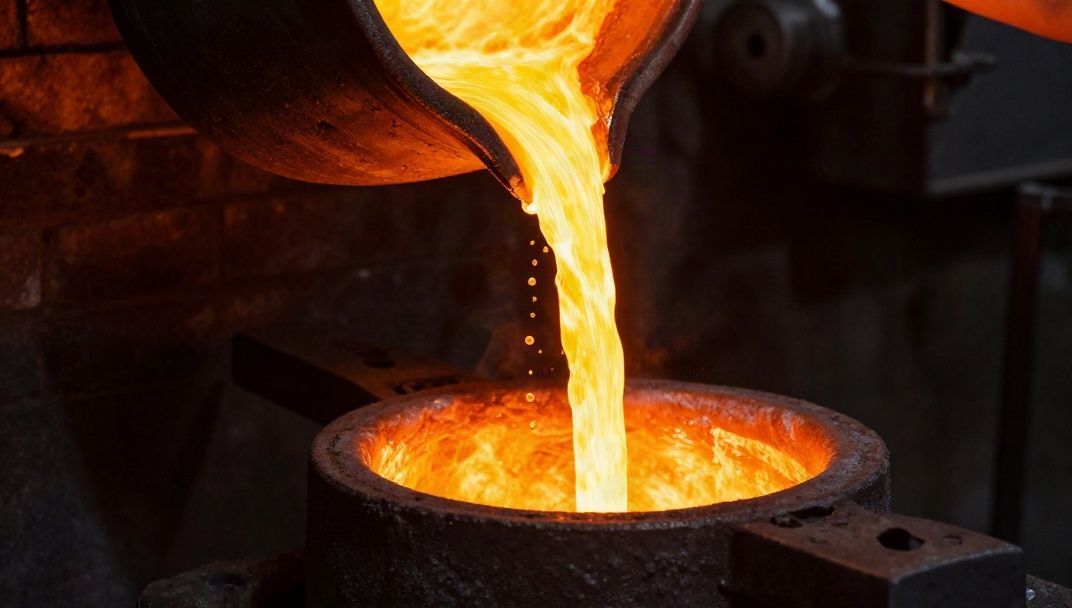
You bring an old gold chain, broken bracelet, unwanted ring, or inherited jewelry to a gold buyer. The jewelry is tested, weighed, evaluated, and you decide to accept the offer. But what happens next? Where does your gold actually go after you sell it? Many people assume every piece of unwanted gold jewelry is immediately melted down. In reality, what happens next can depend on the item itself.
Some jewelry may have value as a complete piece. Other items may primarily be valuable for their precious-metal content. Broken and scrap jewelry may eventually enter the refining and recycling process, allowing the precious metal to be recovered and potentially used again.
At St. Louis Gold Buyers & Jewelry Center, understanding the difference between jewelry value and precious-metal value is an important part of properly evaluating an item. Here's a closer look at what can happen to gold after you sell it.
Step 1: Your Gold Is Identified and Evaluated
Before deciding what should happen to a piece of jewelry, the buyer first needs to understand exactly what it is.
That can involve evaluating:
- Type of metal
- Gold purity
- Weight
- Condition
- Diamonds
- Gemstones
- Designer markings
- Age
- Construction
- Resale demand
This is important because two pieces containing similar amounts of gold may not necessarily have the same overall value.
A broken, ordinary gold chain may primarily be evaluated for its precious-metal content.
A desirable designer bracelet containing the same amount of gold could potentially have additional value as jewelry.
Step 2: The Gold Purity Is Determined
Gold jewelry comes in different purities.
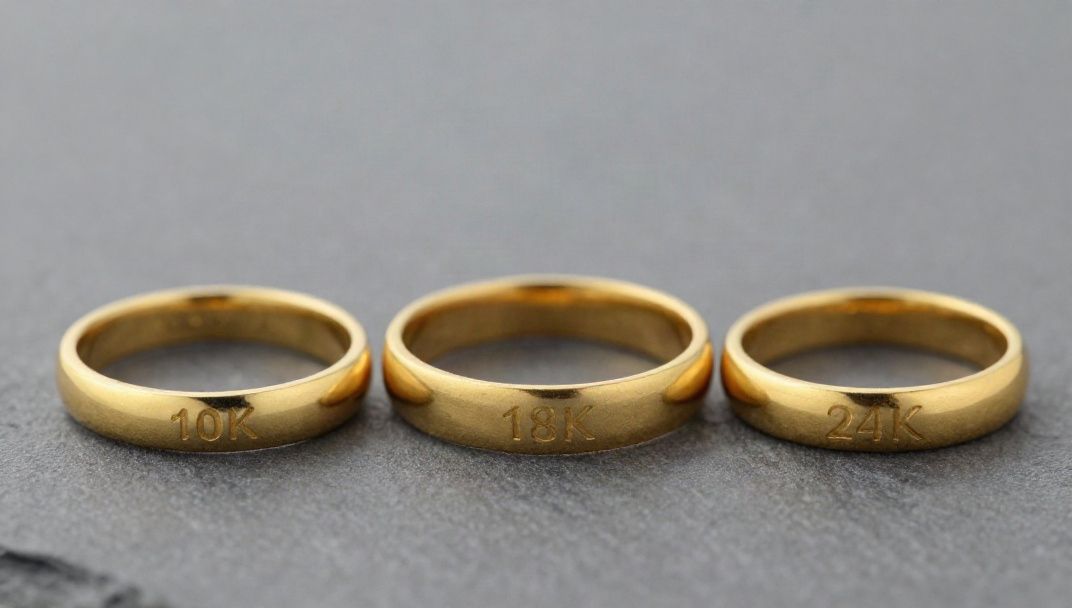
Common examples include:
10K — approximately 41.7% gold
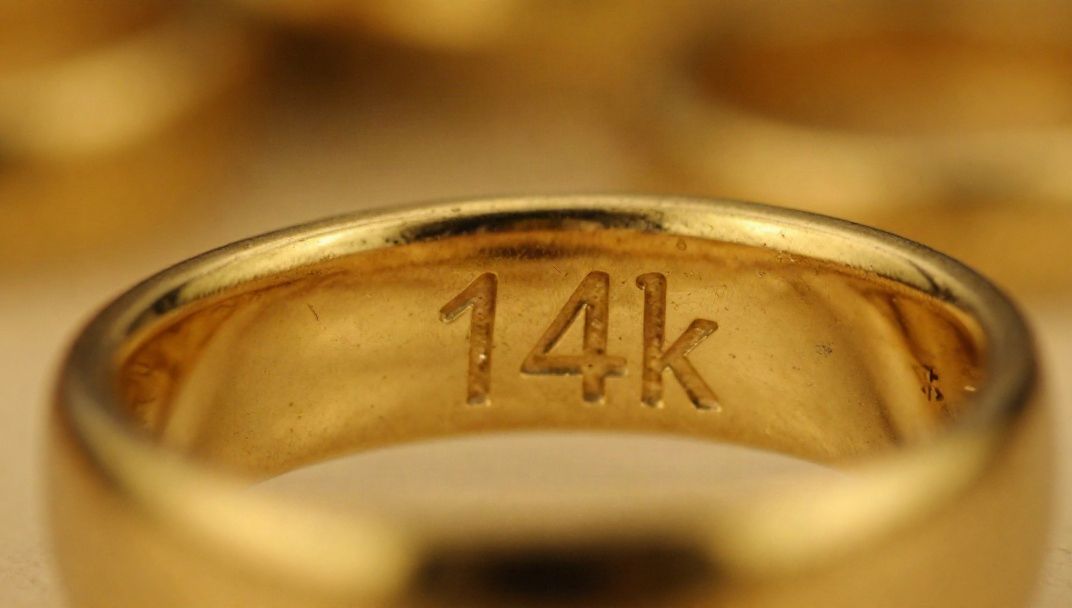
14K — approximately 58.3% gold
18K — 75% gold
22K — approximately 91.7% gold
24K — essentially pure gold
The remainder of most karat-gold jewelry consists of other metals that have been alloyed with gold.
These alloys can affect the jewelry's:
- Strength
- Hardness
- Color
- Durability
- Workability
Understanding the purity is essential because it helps determine how much fine gold the item theoretically contains.
Step 3: The Jewelry Is Weighed
Weight is another major component of precious-metal value.
Gold jewelry may be weighed using:
- Grams
- Pennyweights (DWT)
- Troy ounces
One pennyweight equals approximately 1.555 grams.
Twenty pennyweights equal one troy ounce.
One troy ounce equals approximately 31.1035 grams.
Whether a buyer uses grams or pennyweights doesn't inherently change how much gold you have. The important part is using an accurate weight and correct conversion.
Step 4: The Buyer Determines Whether the Piece Has Resale Value
This is where experience can matter.
Not every gold item should automatically be treated as scrap.
A professional jewelry buyer may look for characteristics such as:
- Designer signatures
- Recognizable brands
- Valuable diamonds
- Important gemstones
- Vintage styling
- Antique craftsmanship
- Desirable jewelry designs
- Collectibility
- Current resale demand
If the item has a realistic secondary market, keeping it intact may make more sense than processing it solely for its gold content.
Does All Gold Jewelry Get Melted Down?
No.
This is a common misconception.
Some jewelry can be resold, restored, repaired, repurposed, or otherwise kept intact.
Other jewelry has limited resale potential and may ultimately be processed for precious-metal recovery.
Examples of items that may be more likely to derive much of their value from metal content include:
- Severely broken chains
- Damaged rings
- Unmatched earrings
- Broken clasps
- Scrap gold
- Damaged mountings
- Certain outdated pieces
- Jewelry with limited resale demand
But each item should be evaluated individually.
What Happens to Scrap Gold?
When jewelry is primarily valuable for its precious-metal content, it may eventually be sent through a refining process.
Refining is used to separate and recover precious metals from other materials.
Depending on the material and refinery process, recoverable metals can include:
- Gold
- Silver
- Platinum
- Palladium
The refined precious metals can then return to the broader supply chain.
This is one of the reasons gold is so interesting as a material.
Gold can potentially be recovered and reused rather than simply becoming waste.
How Is Gold Refined?
Precious-metal refining is a specialized industrial process.
The exact methods used depend on the refinery, type of material, purity, volume, and desired final product.
Broadly, refining involves processing material so that valuable precious metals can be separated from other metals and impurities.
Professional refiners may use combinations of physical, thermal, chemical, and analytical processes.
Once recovered and refined to the required purity, the resulting precious metal can be used again.
Does a 14K Ring Become 24K Gold After Refining?
Potentially, the gold contained within karat jewelry can be separated from alloy metals and refined to a much higher level of purity.
Remember that 14K jewelry is not pure gold.
The theoretical gold proportion of 14K is approximately 58.3%.
The remainder consists of other metals.
During professional refining, gold can be separated and purified from much of that other material.
The recovered fine gold can then enter the precious-metals market again.
Can Recycled Gold Be Made Into New Jewelry?
Yes.
Recovered gold can be used as raw material for new products, including jewelry.
After appropriate refining, gold can potentially be used to manufacture:
- Rings
- Chains
- Bracelets
- Earrings
- Pendants
- Watches and watch components
- Coins or bullion products
- Industrial components
Gold is valued partly because of its ability to be recovered, refined, and reused.
A piece of gold jewelry may change form many times over its lifetime.
Could My Old Ring Eventually Become Someone Else's Jewelry?
It is possible.
If an old ring is processed for its precious-metal content, its gold may eventually be refined and combined with other recovered or newly sourced gold.
Once refined, individual atoms of gold aren't tied to the original piece.
The resulting metal may later become part of new jewelry or another gold product.
Your broken chain might not remain a chain forever—but the gold itself can continue through the supply chain.
Why Is Gold Recycling Important?
Recycling existing precious metals provides another source of gold for the market.
Gold can come from several sources, including newly mined material and previously used products.
Recovering gold from unwanted jewelry, electronics, industrial materials, and other sources allows existing metal to re-enter circulation.
For jewelry owners, this also means an item doesn't necessarily become worthless simply because it is:
- Broken
- Bent
- Scratched
- Outdated
- Missing a clasp
- Missing a stone
- No longer wearable
The precious metal can remain valuable even when the original piece has reached the end of its useful life as jewelry.
What Happens to the Other Metals in Gold Jewelry?
Most jewelry gold is an alloy.
For example, 14K gold contains gold along with other metals.
Depending on the alloy, those other metals may include combinations of:
- Silver
- Copper
- Zinc
- Nickel
- Palladium
- Other metals
Refining and recovery processes vary, and not every component necessarily has meaningful recoverable economic value.
The goal of precious-metal refining is generally to recover the valuable metals efficiently.
What Happens to Diamonds When Gold Jewelry Is Scrapped?
Diamonds should not automatically be treated as scrap.
If a piece contains diamonds, those stones may need to be evaluated separately.
Diamond value can depend on factors including:
- Carat weight
- Cut
- Color
- Clarity
- Shape
- Condition
- Natural or laboratory-grown origin
- Certification
- Current market demand
If a diamond has meaningful secondary-market value, it may be removed from the mounting and handled separately rather than going through the same process as the metal.
This is another reason a knowledgeable jewelry evaluation is important.
What Happens to Gemstones?
Colored gemstones may also deserve separate consideration.
Depending on the stone, factors such as type, size, quality, treatment, condition, origin documentation, and market demand can influence whether it has independent value.
Not every gemstone has significant resale value.
However, automatically ignoring all stones could result in overlooking something important.
What About Designer Jewelry?
Designer jewelry is another category that should be examined before being treated as scrap.
Certain pieces from recognized jewelry houses can have secondary-market demand beyond the underlying value of their gold.
Potential indicators include:
- Maker's marks
- Brand signatures
- Serial numbers
- Model numbers
- Original paperwork
- Original packaging
- Distinctive designs
If you have a signed piece, don't remove stones, cut it apart, or otherwise alter it before having it evaluated.
Its value may depend on remaining intact.
What Happens to Broken Jewelry?
Broken jewelry can follow different paths depending on what it is.
A repairable piece with strong resale demand might be restored.
A broken designer item might still have value intact.
A badly damaged ordinary gold chain may primarily have precious-metal value.
A ring with a missing stone may still contain valuable gold or platinum.
A single earring may still contain both precious metal and diamonds.
Broken does not automatically mean worthless.
Should I Repair Gold Before Selling It?
Not automatically.
If your goal is to sell, paying for repairs before getting an evaluation may be unnecessary.
The cost of repairing a broken clasp, replacing a missing stone, soldering a chain, or refinishing a piece may not increase its resale value enough to justify the expense.
Bring the jewelry in as it is and have it evaluated first.
Then you can make an informed decision about whether to:
- Repair it
- Keep it
- Sell it
- Trade it
- Repurpose it
What Happens to Gold Coins After They're Sold?
Gold coins deserve special attention.
A gold coin should not automatically be valued only for its gold content.
Some coins may have:
- Bullion value
- Numismatic value
- Collector demand
- Scarcity
- Historical significance
- Premiums associated with a particular issue
Condition, date, mint mark, authenticity, rarity, and market demand can all matter.
Before selling an old gold coin for metal value alone, have it properly identified.
Why Sorting Gold Correctly Matters
Imagine someone brings in a box containing:
- Broken 14K chains
- A platinum ring
- Sterling silver
- A designer bracelet
- Several gold coins
- A diamond engagement ring
- Gold-filled jewelry
- Costume jewelry
Treating everything as one pile would be a mistake.
Each category can have different value characteristics.
Proper sorting helps identify what is actually present before an offer is made.
What Happens When You Sell Gold to St. Louis Gold Buyers & Jewelry Center?
At St. Louis Gold Buyers & Jewelry Center, our process begins with evaluating what you actually have.
Depending on the items, that can include:
Identifying Your Jewelry
We examine the pieces and look for relevant markings, construction, stones, and other characteristics.
Testing Precious Metals
Applicable items are tested to help determine metal type and purity.
Weighing Your Gold
Precious-metal items are accurately weighed.
Reviewing Current Market Conditions
Current precious-metal market pricing is considered during the evaluation.
Examining Additional Value
We consider whether diamonds, gemstones, designer names, coins, watches, or resale potential may affect the item's value.
Explaining the Offer
We explain the factors behind the evaluation so you can understand what you're being offered before making a decision.
If you choose to sell, same-day payment is available.
Does Selling Gold Mean It Will Definitely Be Melted?
No.
What happens after a sale depends on the item.
Some pieces may continue their lives as jewelry.
Others may be repaired or repurposed.
Some may ultimately be refined for their precious-metal content.
The appropriate path depends on the individual piece and its market.
Selling Gold Gives Old Jewelry a New Purpose
An old piece of jewelry can sit unused for decades.
It might be:
- Broken
- Out of style
- Inherited
- Unwanted
- Missing stones
- Too small
- Too large
- Associated with a chapter of life that has passed
Selling it can allow you to convert an unused asset into money while the underlying precious metal may eventually be reused elsewhere.
That is one of the unique characteristics of gold.
The jewelry itself may have reached the end of its useful life.
The gold may not have.
Where Can I Sell Gold in St. Louis?
If you're searching for “sell gold St. Louis,” “gold buyers St. Louis,” “scrap gold buyers near me,” “sell broken gold,” or “cash for gold near me,” visit St. Louis Gold Buyers & Jewelry Center.
We evaluate and buy items including:
- Gold jewelry
- Broken gold
- Scrap gold
- Silver
- Sterling silver
- Platinum
- Palladium
- Diamonds
- Estate jewelry
- Coins
- Luxury watches
- Gold-filled material
- Other valuables
Bring your items to our Saint Ann showroom and let our experienced team help determine what you have and what factors contribute to its value.
There is no obligation to sell simply because your jewelry is evaluated.
If you choose to accept an offer, same-day payment is available.
Before You Sell Gold, Find Out What You Actually Have
The most important lesson is simple:
Don't assume every old piece of jewelry is just scrap.
Before an item is refined, it should be properly evaluated.
A broken chain may primarily be valuable for its gold.
A diamond ring may contain value in both the setting and stone.
A designer bracelet may have resale value.
A gold coin may have collector value beyond its metal content.
At St. Louis Gold Buyers & Jewelry Center, we evaluate the complete item before determining the appropriate way to value it.
Once you understand what you have and what it's worth, you can decide whether selling is right for you.