What Do the Numbers Inside My Ring Mean?
What Do the Numbers Inside My Ring Mean?
A Guide to Jewelry Stamps, Gold Marks & Hallmarks
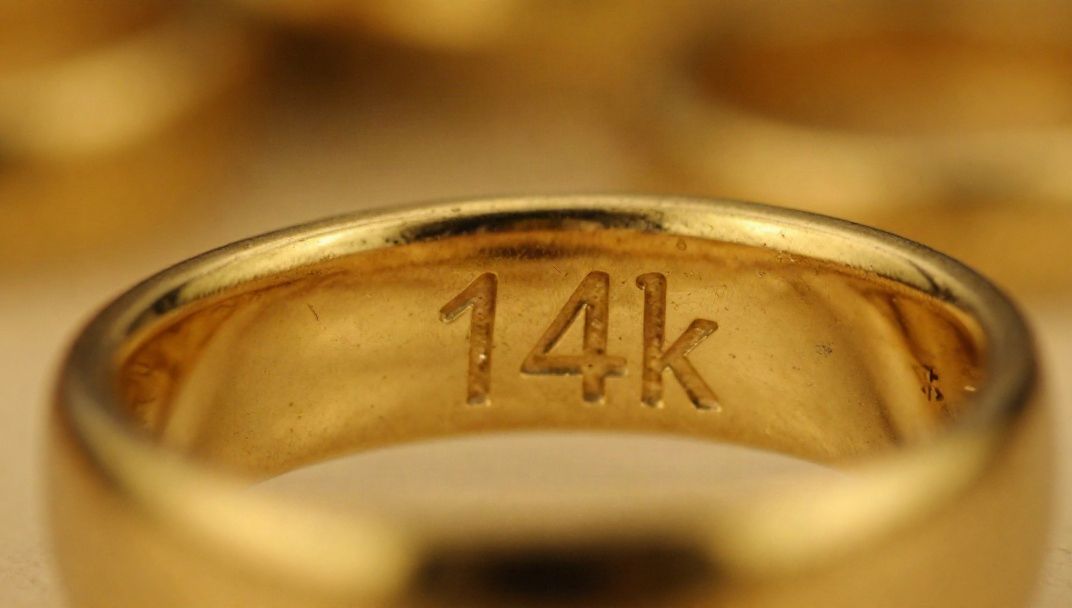
Have you ever looked inside a ring and noticed tiny numbers or letters such as 10K, 14K, 18K, 417, 585, 750, 925, or PLAT?
Those small markings can tell you a lot about your jewelry. They may indicate the purity of the precious metal, identify a manufacturer or designer, show where the jewelry was made, or provide other information about the piece.
At St. Louis Gold Buyers & Jewelry Center, customers regularly bring us rings, necklaces, bracelets, earrings, watches, and estate jewelry with markings they don't recognize. One of the first things we do during an evaluation is examine those stamps—but the stamp is only the beginning. If you're wondering “What do the numbers inside my ring mean?”, this guide will help you understand some of the most common jewelry markings and what they may tell you about the value of your piece.
Why Are There Numbers Inside My Ring?
Jewelry manufacturers often stamp precious-metal items to indicate their metal content or fineness.
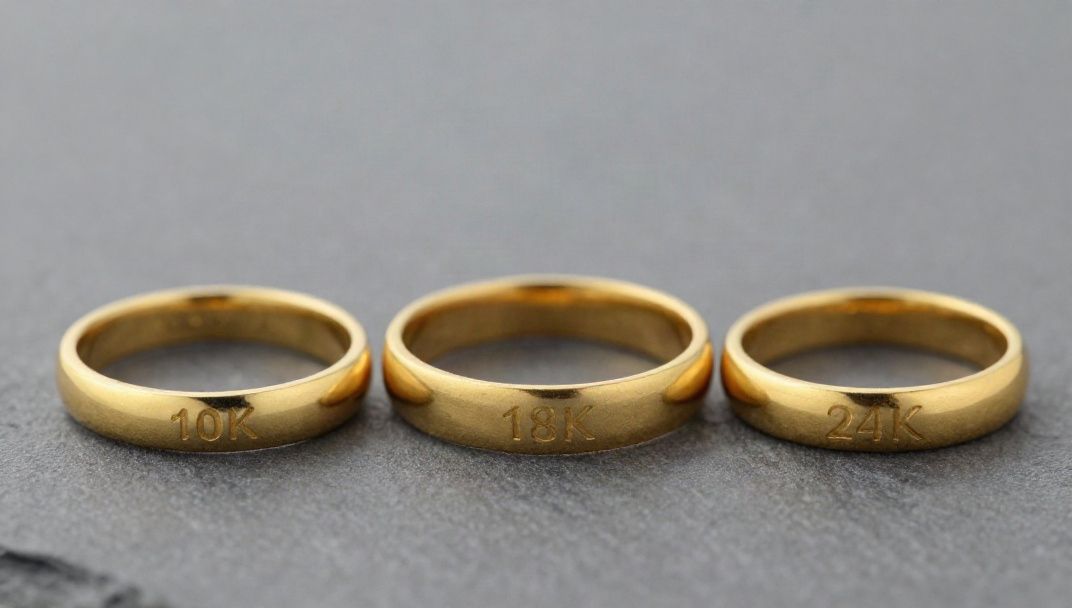
For gold jewelry, you may see traditional karat markings such as:
- 10K
- 14K
- 18K
- 22K
- 24K
You may also see three-digit numbers such as:
- 417
- 585
- 750
- 916
- 999
These numbers generally express the precious-metal content in parts per thousand.
For example, a 750 gold marking means the alloy is approximately 750 parts gold per 1,000, or 75% gold.
That corresponds to 18K gold.
What Does 417 Mean on a Ring?
A 417 stamp generally indicates that an item is approximately 41.7% pure gold.
That corresponds to 10K gold.
You might find 417 inside:
- Gold rings
- Wedding bands
- Bracelets
- Necklaces
- Earrings
- Pendants
Although 10K contains less pure gold than 14K or 18K, it is still real gold and can have significant value.
If you have unwanted or broken 417 jewelry, don't assume it isn't worth selling.
What Does 585 Mean on Jewelry?
585 is one of the most important jewelry numbers to recognize.
A 585 marking indicates approximately 58.5% gold and is commonly used to identify 14K gold.
You may see:
585
or markings such as:
14K
14KT
These generally indicate jewelry in the same basic purity category.
14K gold is extremely common in rings, necklaces, bracelets, earrings, engagement rings, and other fine jewelry.
If you've been searching “What does 585 mean on a ring?”, there is a good possibility you're looking at 14K gold—but the piece should still be professionally tested before its value is determined.
What Does 750 Mean Inside a Ring?
A 750 stamp typically means the jewelry is 75% pure gold, equivalent to 18K gold.
18K jewelry contains more pure gold than 10K or 14K jewelry of the same weight.
You'll often see 750 on:
- Fine jewelry
- Designer pieces
- European jewelry
- Luxury jewelry
- High-end watches
- Estate jewelry
Because 18K contains a relatively high percentage of pure gold, a piece marked 750 may have substantial precious-metal value.
However, diamonds, gemstones, designer names, craftsmanship, and resale demand may add value beyond the gold itself.
What Does 916 Mean on Jewelry?
A 916 marking generally means approximately 91.6% gold.
That corresponds closely to 22K gold.
22K jewelry is especially common in jewelry traditions and markets where high-purity gold is preferred.
Because 22K contains substantially more pure gold than 10K, 14K, or 18K jewelry, its precious-metal content can be significant.
What Does 999 Mean on Gold?
A 999 marking generally represents gold that is approximately 99.9% pure.
This is commonly associated with 24K gold or fine gold.
You may find 999 on:
- Gold bars
- Bullion
- Certain coins
- High-purity jewelry
- Investment gold products
If you discover an item marked 999, don't automatically sell it based only on weight. Coins and bullion products should also be examined to determine whether they have additional market or collectible value.
What Does 925 Mean Inside a Ring?
A 925 marking is different from the gold markings above.
925 usually indicates sterling silver.
Sterling silver consists of approximately 92.5% silver, with the remaining portion generally made from other metals that improve durability.
You may see:
925
STERLING
STER
.925
on silver jewelry and other sterling items.
Sterling silver can have value, particularly when you have heavier jewelry, large collections, flatware, serving pieces, or desirable designer items.
At St. Louis Gold Buyers & Jewelry Center, we evaluate both gold and silver items, so don't overlook jewelry simply because you discover a 925 stamp instead of a gold marking.
What Does PLAT or 950 Mean?
If you see PLAT, PT, or a number such as 950, your jewelry may contain platinum.
Platinum is a valuable precious metal commonly used in:
- Engagement rings
- Wedding bands
- Diamond settings
- Estate jewelry
- Luxury jewelry
A 950 platinum marking typically indicates an alloy containing approximately 95% platinum, though professional testing should be used to verify the actual metal.
Platinum can sometimes be mistaken for white gold or even silver because of its appearance.
That is another reason you shouldn't determine jewelry value by color alone.
What Does GP Mean on Jewelry?
This is an important distinction.
If you see GP, it commonly means gold plated.
For example:
14K GP
generally means the item has a layer of 14K gold over a base metal rather than being made entirely from 14K gold.
Gold-plated jewelry is very different from solid-karat gold jewelry when determining precious-metal value.
What Does GF Mean on Jewelry?
GF commonly means gold-filled.
Gold-filled jewelry contains a mechanically bonded layer of gold over another metal.
It contains more gold than typical gold-plated jewelry, but it should not be confused with solid-karat gold.
At St. Louis Gold Buyers & Jewelry Center, gold-filled items can also be evaluated, particularly when you have quantities of older or estate jewelry.
What Does HGE Mean?
HGE commonly stands for heavy gold electroplate.
An item marked 18K HGE, for example, should not be interpreted as a solid 18K gold piece.
The marking generally refers to the gold used on the plated surface.
This distinction can make a substantial difference in precious-metal value.
What Do Letters Next to the Numbers Mean?
Not every stamp inside jewelry identifies metal purity.
You may also find:
- Manufacturer initials
- Designer signatures
- Maker's marks
- Trademark symbols
- Model numbers
- Country-of-origin marks
- Patent information
For example, a ring might contain both 14K and another series of letters.
The 14K mark may describe the metal purity, while the letters identify the manufacturer.
Those additional markings shouldn't automatically be ignored. Certain designer or maker's marks can potentially affect a piece's resale or collectible value.
Does a 14K or 585 Stamp Guarantee My Ring Is Real Gold?
No.
A hallmark is an important clue, but it should not be the only factor used to authenticate jewelry.
Stamps can be:
- Incorrect
- Counterfeit
- Worn
- Altered
- Added to plated jewelry
- Difficult to interpret
Jewelry can also contain multiple metals or have repairs performed with different materials.
Professional testing helps verify what the piece actually contains.
What If My Ring Doesn't Have Any Numbers?
Don't assume it isn't valuable.
Older jewelry can have stamps that have worn away over decades of use. Rings may have been resized in the exact area where the original hallmark was located.
Some handmade, antique, or foreign jewelry may also use unfamiliar markings.
If a piece looks like gold but has no visible hallmark, have it professionally tested before deciding that it has little or no value.
Do the Numbers Inside My Ring Tell Me How Much It's Worth?
Not by themselves.
A hallmark can help identify the metal, but several factors determine jewelry value.
At St. Louis Gold Buyers & Jewelry Center, we consider factors such as:
Metal Purity
Is the piece 10K, 14K, 18K, 22K, sterling silver, platinum, or another material?
Weight
Two 14K rings can have very different values if one weighs significantly more than the other.
Current Precious-Metal Prices
Gold, silver, and platinum are commodities whose market prices fluctuate.
Diamonds and Gemstones
A ring may have additional value from diamonds or desirable gemstones.
Brand and Designer
Certain luxury and designer pieces may be worth more than their precious-metal content alone.
Condition and Resale Potential
Some jewelry may be desirable as a complete piece rather than simply for its precious-metal content.
Don't Throw Away Jewelry Because You Don't Understand the Stamp
One of the biggest mistakes you can make is assuming an unfamiliar piece isn't valuable.
An old ring marked 585 could be 14K gold.
A piece marked 750 could be 18K gold.
A white-colored ring marked 950 could contain platinum.
A broken necklace without a visible hallmark could still be genuine gold.
Even single earrings, broken chains, damaged rings, outdated jewelry, and inherited pieces may contain valuable precious metals.
Where Can I Have Jewelry Marks Identified in St. Louis?
If you're searching for “what do the numbers inside my ring mean,” “how much is my ring worth,” “jewelry buyers near me,” “sell jewelry St. Louis,” or “gold buyers St. Louis,” bring your items to St. Louis Gold Buyers & Jewelry Center.
Our experienced team can examine your jewelry, identify common markings, test the precious metal, weigh the item, examine diamonds and gemstones, and explain how those factors affect its potential value.
We buy:
- Gold jewelry
- Silver
- Platinum
- Diamond jewelry
- Estate jewelry
- Broken jewelry
- Gold-filled items
- Luxury watches
- Gold and silver coins
- Other precious-metal items
If you decide to sell, immediate payment is available.
Whether your ring says 417, 585, 750, 925, 950, 999, 10K, 14K, or 18K—or has no visible stamp at all—don't guess what it is worth.
Bring it to St. Louis Gold Buyers & Jewelry Center and let our experts help you determine what you actually have.