What Does 925, 800, 835, 900 or 950 Mean on Silver? A Jeweler's Guide to Silver Purity Marks
A Jeweler's Guide to Silver Purity Marks
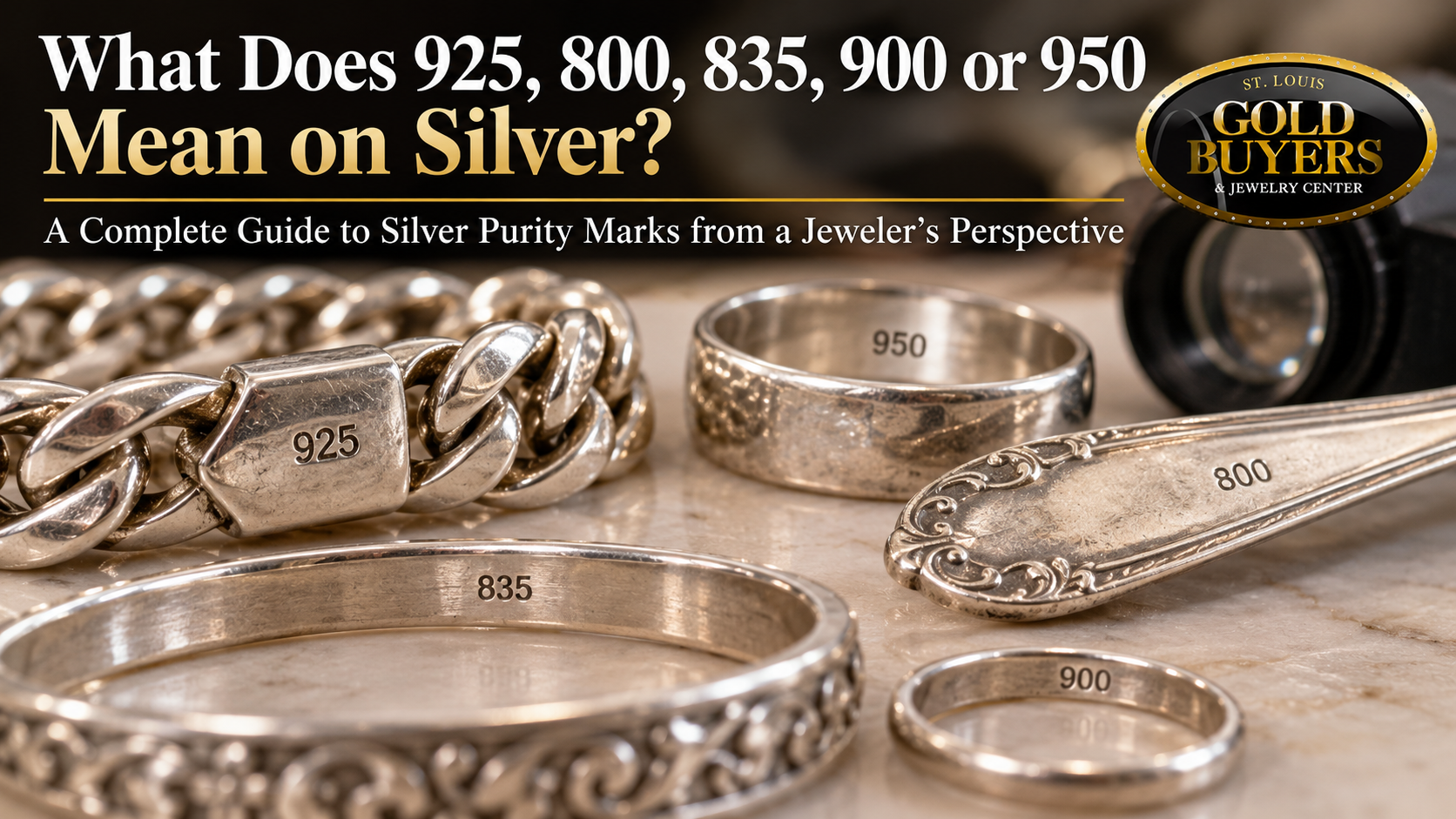
Have you ever looked inside a silver ring, underneath a bracelet clasp, or on the back of an old piece of silver flatware and noticed numbers such as 925, 800, 835, 900, or 950?
These small markings can tell you something important about the metal your item may contain.
Many people recognize 925 as sterling silver, but fewer realize that jewelry, antiques, and other valuable silver items may carry different purity markings.
At St. Louis Gold Buyers & Jewelry Center, we help customers understand their precious metals through professional testing, weighing, and transparent evaluations.
Whether you've inherited silver jewelry, discovered old flatware, or are wondering whether a piece marked 800 or 835 is worth selling, understanding silver hallmarks is an important first step.
What Do the Numbers on Silver Mean?
Numbers stamped on silver often represent the amount of pure silver in an alloy, expressed in parts per thousand.
For example, an item marked 925 indicates a claimed silver content of 925 parts out of 1,000, or 92.5%.
The remaining percentage typically consists of other metals, often copper, added to improve strength and durability.
These percentages describe the claimed metal composition, not a guaranteed resale value.
Important: A number stamped on an item does not prove its authenticity. Hallmarks can be incorrect, misleading, or counterfeit, so professional testing may still be necessary.
What Does 925 Mean on Silver?
The marking 925 is one of the most widely recognized silver purity stamps.
It identifies an item as sterling silver when the marking is accurate.
Sterling silver contains 92.5% pure silver, with the remaining 7.5% consisting of other metals.
Sterling silver is commonly used for:
- Rings and wedding bands
- Necklaces and chains
- Bracelets and charms
- Earrings and pendants
- Sterling silver flatware
- Decorative household items
You may also see markings such as STERLING, STER, or .925.
If you're searching for “who buys 925 silver near me” or “where to sell sterling silver in St. Louis,” a reputable precious-metal buyer can help determine the item's silver content and potential purchase value.
Learn more about our silver-buying services.
What Does 800 Mean on Silver?
An item marked 800 generally indicates an alloy containing 80% silver and 20% other metals.
This silver standard has been used in various countries, particularly for European jewelry, flatware, and decorative objects.
You may encounter 800 silver in:
- Antique silver jewelry
- European silverware
- Serving utensils
- Vintage decorative pieces
- Certain collectible items
Is 800 silver real silver?
Yes. When authentic, 800 silver is a genuine silver alloy, even though it contains less pure silver than sterling silver.
Its precious-metal value can still be meaningful, especially when an item has substantial weight.
What Does 835 Mean on Silver?
The marking 835 generally indicates 83.5% silver content.
This standard is commonly associated with certain European silver jewelry and household silver, including pieces made in countries such as Germany and the Netherlands.
Items marked 835 may include:
- Vintage bracelets
- Antique rings
- Silver necklaces
- Brooches
- Silver flatware
- Decorative silver objects
Because 835 silver contains less pure silver than sterling, two otherwise identical items of the same weight would have different silver melt values.
However, an older 835 silver item may also have collectible or antique value depending on its craftsmanship, origin, and condition.
Don't assume silver marked 835 is inexpensive or worthless simply because it isn't sterling.
What Does 900 Mean on Silver?
An item marked 900 generally indicates 90% silver content.
This purity is especially familiar in coin collecting because many older United States silver coins contain 90% silver.
Examples include:
- Many U.S. dimes dated 1964 or earlier
- Many U.S. quarters dated 1964 or earlier
- 1964 Kennedy half dollars
- Franklin half dollars
- Original Morgan silver dollars
- Original Peace silver dollars
Some jewelry and decorative silver items also use 900 silver.
Is 900 silver worth money?
Yes. Authentic 900 silver contains substantial precious-metal content.
However, collectible coins should not automatically be valued only by their silver weight. Certain dates, mint marks, and conditions can create additional collector premiums.
If you're selling old coins, understanding both their silver content and potential numismatic value is important.
What Does 950 Mean on Silver?
The marking 950, when used as a silver fineness mark, indicates 95% pure silver.
This is a higher silver purity than standard 925 sterling silver.
Silver alloys of this fineness have been used in certain jewelry and decorative objects.
However, there is an important distinction:
A 950 marking does not always mean silver.
Platinum jewelry is also commonly marked 950, often accompanied by identifiers such as PT950 or PLAT.
Therefore, the number must be interpreted in the context of the complete hallmark, item construction, and appropriate testing.
A professional evaluation can help distinguish silver from platinum and other metals.
At St. Louis Gold Buyers & Jewelry Center, we purchase eligible silver and platinum items. Visit our precious-metal purchases page to learn more.
Is 999 Silver Better Than Sterling Silver?
Fine silver is commonly marked 999, indicating 99.9% purity.
It is frequently used for silver bullion, investment bars, rounds, and certain coins.
Fine silver contains more pure silver per gram than sterling silver.
However, higher purity does not automatically make it the best material for every jewelry application.
Sterling silver is often preferred for everyday jewelry because its alloy composition generally provides greater strength and wear resistance.
Fine silver is comparatively soft and may scratch or deform more easily.
From a jeweler's perspective, the best silver alloy depends on the item's intended purpose, design, and durability requirements.
What If My Silver Has No Markings?
Not all genuine silver items have clearly visible purity stamps.
Hallmarks may be missing because an item is old, worn, handmade, altered, or manufactured under different marking practices.
A mark may also be hidden in an unexpected location.
Common places to look include:
- Inside rings
- Bracelet clasps
- Necklace clasps
- The backs of pendants
- The undersides of silverware
- The bases of decorative objects
A missing hallmark does not automatically mean an item is fake.
Likewise, the presence of a hallmark does not guarantee authenticity.
Professional testing is the most reliable way to determine the metal content when markings are unclear.
What Do EPNS, Silverplate, and Nickel Silver Mean?
Some silver-colored items contain little or no recoverable silver.
Understanding these terms can prevent confusion.
EPNS — Electroplated Nickel Silver
EPNS usually refers to a base-metal item with a thin layer of silver plating.
Silverplate
Silver-plated objects typically have a thin silver coating over another metal.
Nickel Silver
Despite its name, nickel silver is generally a copper-based alloy containing nickel and zinc, not actual silver.
Weighted Sterling
Some items marked weighted sterling have a sterling silver outer layer over filling material, often used in candlesticks and certain decorative objects.
The total weight of a weighted item should not be treated as solid sterling silver weight.
These distinctions matter because the resale value of an item depends on its actual recoverable precious-metal content and other marketable characteristics.
How Do Silver Buyers Calculate the Value of 800, 835, 900, 925, and 950 Silver?
A precious-metal buyer generally considers the item's weight, verified silver purity, and current silver market price.
The basic melt-value calculation is:
Item weight × silver purity × silver price per unit of weight = estimated silver melt value
For example, suppose two items each weigh 100 grams.
Silver PurityTotal WeightPure Silver Content800100 g80 g835100 g83.5 g900100 g90 g925100 g92.5 g950100 g95 g
This illustrates why silver purity matters.
An authentic 100-gram sterling silver item contains approximately 92.5 grams of pure silver, while an authentic 100-gram 800 silver item contains approximately 80 grams.
The calculation must account for non-silver components, such as stones, fillings, or other materials, where applicable.
Melt value is not the same as a guaranteed purchase offer. Buyers also consider refining costs, resale demand, processing expenses, and market conditions.
Some antique, designer, or collectible pieces may have value beyond their silver content.
Can I Sell Silver That Is Tarnished, Broken, or Missing Pieces?
Yes. Many silver items can still have value even when they are no longer in perfect condition.
We evaluate eligible items such as:
- Broken sterling silver necklaces
- Single silver earrings
- Damaged bracelets
- Bent silver rings
- Tarnished sterling silver flatware
- Incomplete silverware sets
- Old silver jewelry
- Inherited silver collections
Tarnish does not eliminate the silver content of an authentic silver alloy.
Likewise, broken jewelry can retain precious-metal value.
Before discarding an old or damaged silver item, consider having it evaluated.
Where Can I Sell 925, 800, 835, 900, or 950 Silver in St. Louis?
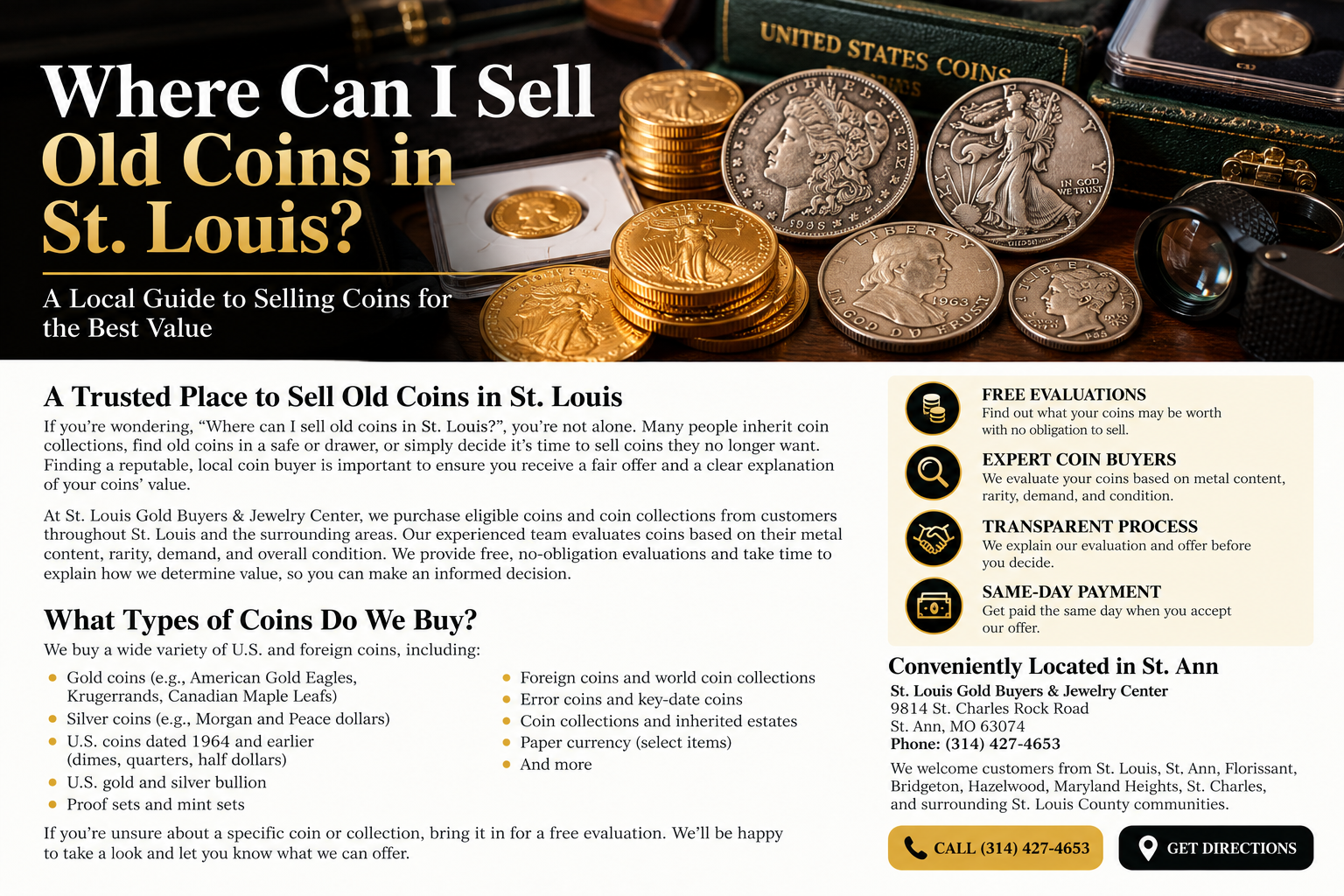
If you're searching for “silver buyers near me,” “who buys 925 silver,” “sell 800 silver,” or “sterling silver buyers in St. Louis,” St. Louis Gold Buyers & Jewelry Center offers free, no-obligation evaluations for eligible precious-metal items.
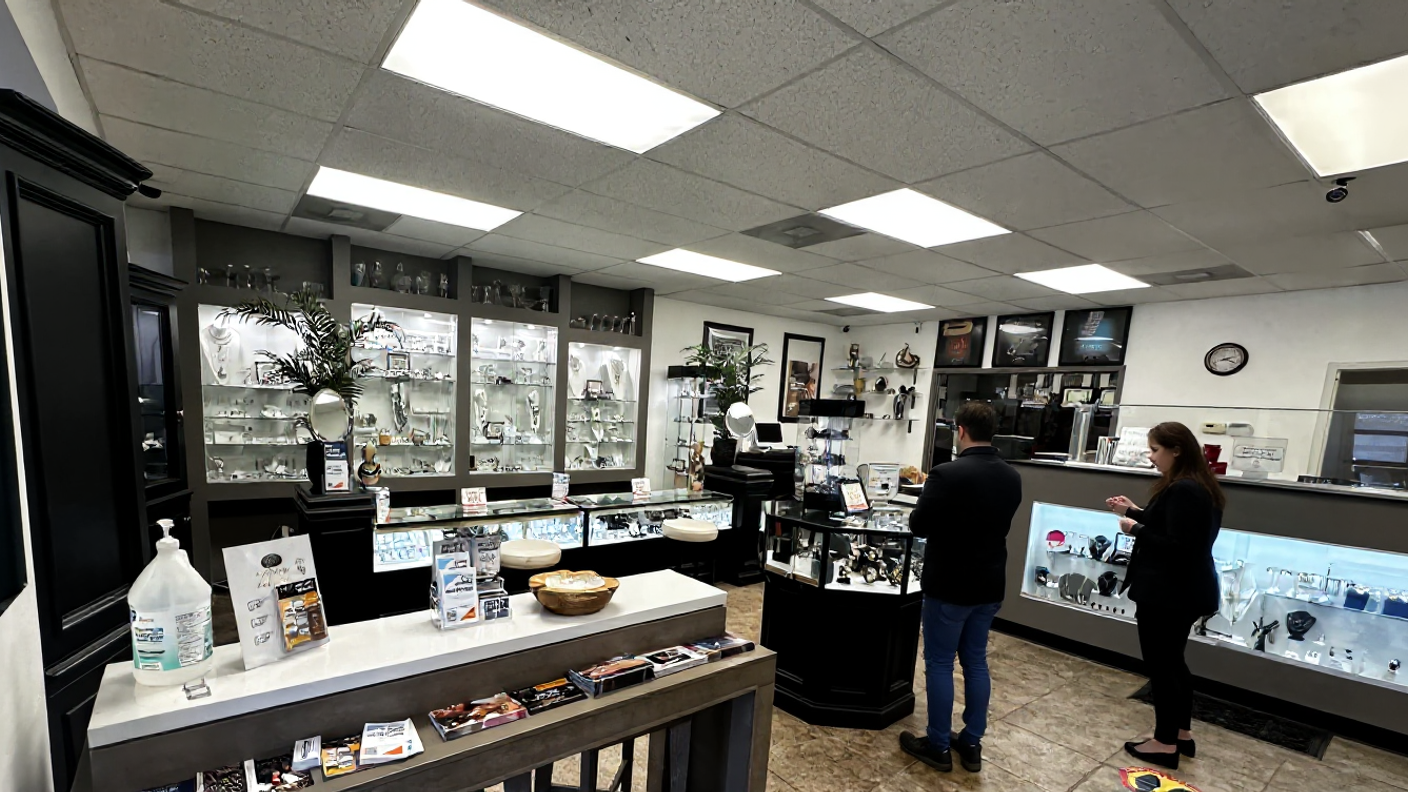
Our family-owned store is located at:
St. Louis Gold Buyers & Jewelry Center
9814 St. Charles Rock Road
St. Ann, MO 63074
Phone: (314) 427-4653
We welcome customers from St. Ann, Florissant, Hazelwood, Bridgeton, and surrounding St. Louis communities.
Our process includes appropriate precious-metal testing and weighing in front of customers, clear explanations, and competitive purchase offers.
No appointment is necessary for standard evaluations.
Simply drive to our ground-level storefront, use our convenient customer parking, and bring your items inside.
Frequently Asked Questions About Silver Hallmarks
Is 925 real silver?
Yes. Authentic 925 sterling silver contains 92.5% pure silver.
Is 800 silver worth selling?
It can be. Authentic 800 silver contains 80% silver and may have precious-metal, collectible, or decorative value.
Is 835 silver sterling silver?
No. Sterling silver is 92.5% pure silver, while 835 silver contains 83.5%.
Is 900 silver better than 925 silver?
900 silver contains less pure silver than 925 sterling. However, the value of an individual item may also depend on age, rarity, craftsmanship, and market demand.
Does 950 always mean silver?
No. The 950 marking can also appear on platinum items. Additional markings and testing help identify the metal.
Does tarnished silver lose its value?
Tarnish generally does not eliminate an item's underlying silver content, although condition may affect its collectible or resale value.
Can I sell silver jewelry without a hallmark?
Potentially. An unmarked item may still contain genuine silver. Testing is necessary to determine its composition.
Do you buy broken sterling silver jewelry?
Yes. We evaluate eligible broken sterling silver jewelry, single earrings, damaged chains, and other silver items.
Are silver evaluations free?
Yes. St. Louis Gold Buyers & Jewelry Center provides free, no-obligation evaluations for eligible silver items.
Conclusion: Don't Overlook Silver Just Because It Isn't Marked 925
The numbers stamped on silver jewelry, flatware, coins, and decorative items can reveal important information about their metal content.
While 925 is the familiar sterling silver standard, 800, 835, 900, and 950 can also indicate genuine silver alloys.
Understanding these markings can help you recognize potentially valuable items and avoid discarding silver simply because it has an unfamiliar stamp.
At St. Louis Gold Buyers & Jewelry Center, we help customers identify and evaluate eligible silver jewelry, flatware, coins, and other precious-metal items.
Whether your silver is marked 925, 800, 835, 900, 950, or has no visible marking at all, our team can examine it and explain the evaluation process.
Bring your silver in for a free evaluation. No appointment necessary and no pressure to sell.
St. Louis Gold Buyers & Jewelry Center
9814 St. Charles Rock Road
St. Ann, MO 63074
Call: (314) 427-4653