Should I Sell a Coin Collection All at Once or Coin by Coin? A St. Louis Seller's Guide
Should I Sell a Coin Collection All at Once or Coin by Coin? A St. Louis Seller's Guide
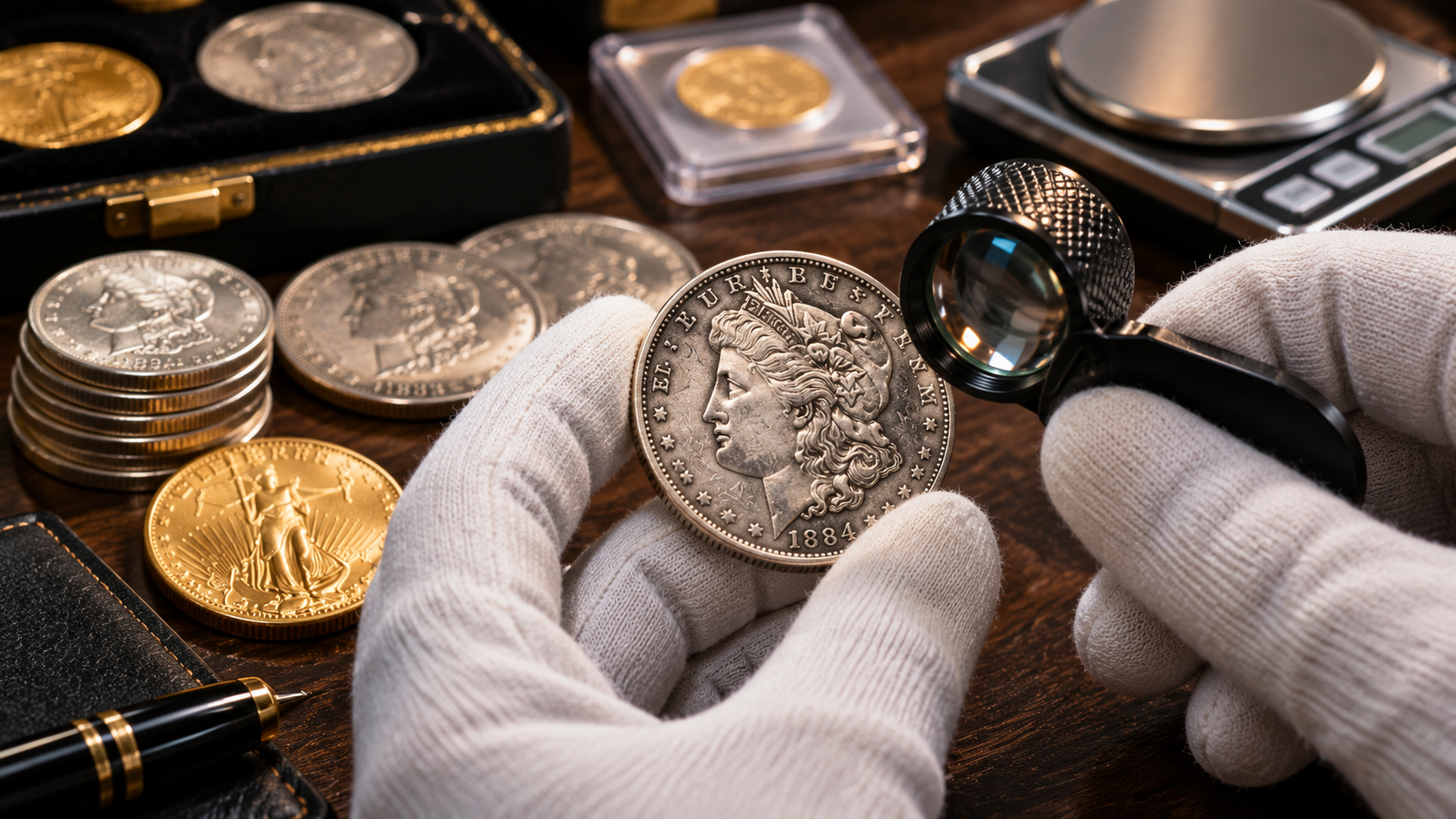
If you've inherited a coin collection, collected gold and silver coins for years, or recently decided to sell a family member's collection, you may have an important question: Should I sell the entire coin collection together, or would I receive more money by selling the coins individually?
The answer depends on what the collection contains. Some collections consist mainly of common silver coins and bullion. Others include rare dates, collectible Morgan dollars, gold coins, certified coins, and valuable individual pieces. Selling everything together can be convenient, but separating certain coins may sometimes produce a better financial result. At St. Louis Gold Buyers & Jewelry Center, we evaluate eligible gold coins, silver coins, bullion, and precious-metal collections. This guide explains the advantages and disadvantages of selling together or individually—and how to decide which approach makes sense for your collection.
Is It Better to Sell a Coin Collection All at Once?
Selling an entire collection to one buyer can offer several advantages.
Convenience
You can potentially complete one transaction rather than finding separate buyers for numerous coins.
Less Time Required
You avoid photographing, listing, shipping, and negotiating over individual pieces.
Fewer Transactions
One sale may be simpler to document and manage.
Reduced Selling Complexity
A reputable buyer can help organize eligible coins into appropriate pricing categories.
Prompt Payment
If the buyer purchases the eligible collection and you accept the offer, payment can often be completed the same day.
However, selling together is not automatically the best approach for every collection.
Rare coins or specialized collectibles may benefit from individual evaluation.
When Does Selling Coins Individually Make Sense?
Individual sales may be appropriate when a collection includes potentially valuable numismatic coins.
Examples include:
- Scarce-date Morgan silver dollars
- Rare Peace silver dollars
- Certain historic gold coins
- Professionally graded coins
- Unusual minting varieties
- Recognized error coins
- Rare commemorative issues
- High-grade collectible examples
These items may have market values significantly above their precious-metal content.
A general bulk purchase offer may not always reflect the full collectible potential of every unusual coin.
For highly collectible pieces, consulting a qualified numismatic dealer or exploring specialized sales channels may be worthwhile.
Learn more about collectible premiums in What Makes Old Coins Worth More Than Their Gold or Silver Value?.
What If My Collection Contains Common Silver Coins?
Many inherited collections contain U.S. silver dimes, quarters, and half dollars dated 1964 or earlier.
These coins often have value primarily because of their silver content.
For average circulated U.S. 90% silver dimes, quarters, and half dollars, dealers frequently use an estimated 0.715 troy ounces of silver per $1 face value.
For example:
Face ValueApproximate Silver Content$10.715 troy oz$107.15 troy oz$5035.75 troy oz$10071.5 troy oz
These are standard estimates for average circulated 90% silver dimes, quarters, and half dollars, not precise specifications for every coin.
Morgan and Peace silver dollars have different silver specifications and should be evaluated separately.
For common circulated silver coins without significant collector premiums, selling by an established bulk unit or group may be convenient.
Read our Best Place to Sell Silver Coins in St. Louis guide for more information.
What About American Gold Eagles and Other Bullion Coins?
Bullion coins are generally purchased with reference to their precious-metal content and current market premiums.
Common examples include:
American Gold Eagles
Recognized U.S. bullion coins containing defined quantities of fine gold.
American Gold Buffalos
Gold bullion coins containing 99.99% fine gold.
Canadian Gold Maple Leafs
Widely recognized government-issued gold bullion coins.
American Silver Eagles
Standard bullion issues contain one troy ounce of 99.9% silver.
Gold and Silver Bars
Bullion products available in various weights and purities.
When a collection contains several common bullion coins, a buyer may quote a price per coin or per bullion category and then calculate the total.
However, proof coins, special issues, and collectible versions may require different pricing.
What If My Collection Contains Both Common and Rare Coins?
A mixed collection is where organization becomes especially important.
Imagine you've inherited 100 coins.
Most are common circulated silver coins, but several are certified Morgan dollars or historic gold coins.
Selling all 100 coins as a generic silver lot could overlook potentially valuable individual pieces.
A better approach may be to separate the collection into categories.
Group A: Common Silver Coins
Silver dimes, quarters, and half dollars valued primarily for metal content.
Group B: Standard Bullion
Recognized gold and silver bullion coins and bars.
Group C: Potentially Collectible Coins
Scarce dates, unusual mint marks, and coins in desirable condition.
Group D: Professionally Graded Coins
Coins already authenticated and graded by recognized services.
This allows different categories to be evaluated according to their characteristics.
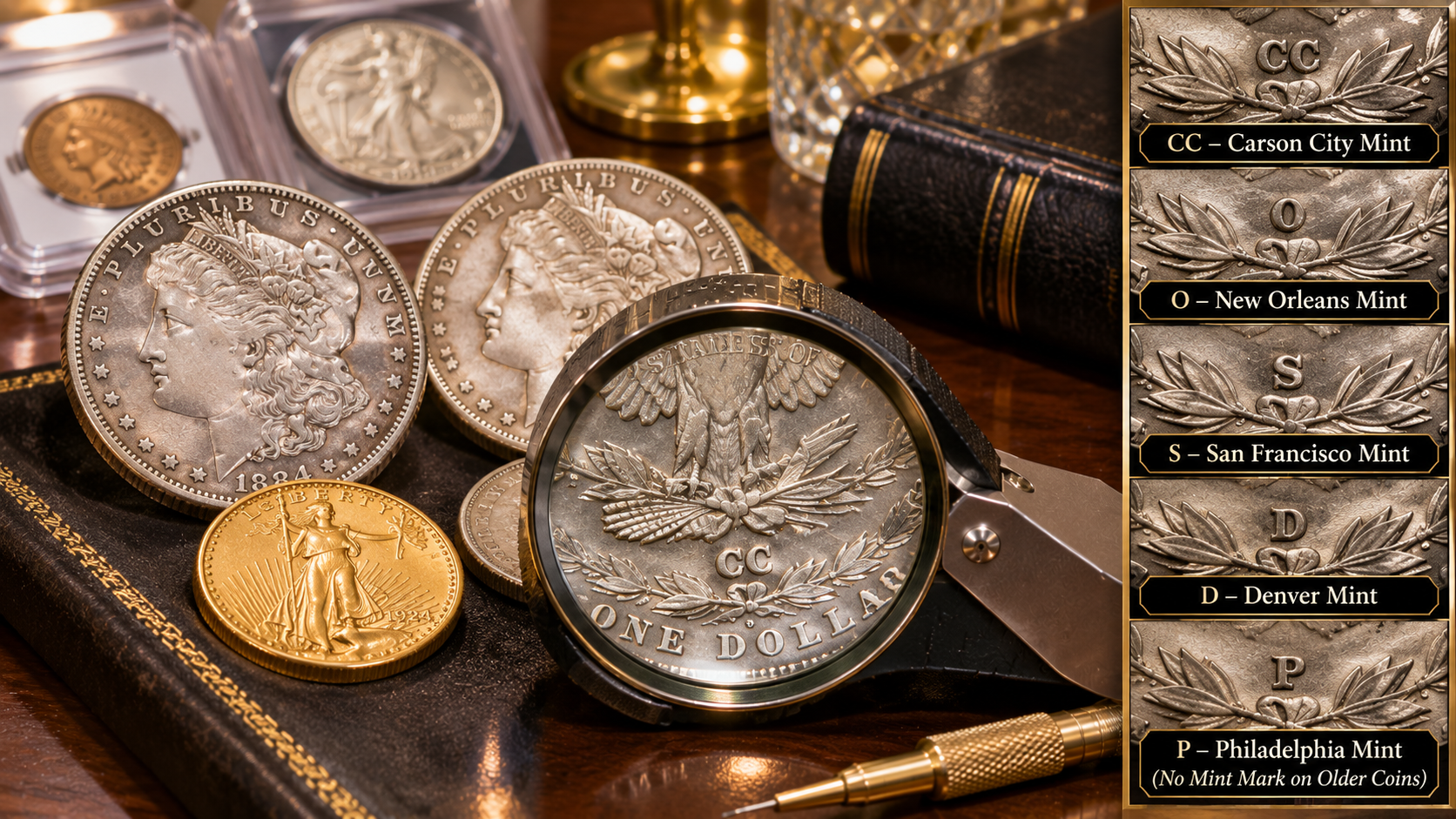
Our article What Do Mint Marks Mean on Old U.S. Coins? explains why certain dates and mint locations deserve additional attention.
Does Selling a Large Collection Mean a Better Price?
Not necessarily.
Larger quantities may make a transaction more attractive to some buyers because they can reduce handling costs per item.
However, the effect depends on the coins involved, market conditions, and buyer demand.
A larger collection may also require more time to authenticate, sort, and evaluate.
Rather than assuming a larger quantity guarantees a higher percentage payout, ask for a clear explanation of the offer.
You may wish to compare:
- The amount offered for the entire eligible collection
- The amounts assigned to major categories
- Whether rare coins are considered individually
- Any fees or other deductions
- The final payment amount
A transparent breakdown can help you evaluate whether a bulk offer is appropriate.
What Are the Disadvantages of Selling Coins Individually?
Selling coins one by one can create additional work.
Possible costs and considerations include:
Time
Finding individual buyers may take weeks or longer.
Shipping and Insurance
Selling online may involve additional expenses and risks.
Marketplace Fees
Auction houses and online platforms may charge commissions or transaction fees.
Authentication
Some coins may require professional grading or verification.
Payment Risk
Private transactions can involve disputes, returns, or other complications.
Uncertain Final Prices
An advertised asking price does not guarantee that a coin will sell for that amount.
The highest apparent selling price isn't always the highest net amount received after expenses.
Should I Have My Collection Appraised Before Selling?
Not every collection requires a formal written appraisal.
For common precious-metal coins, a purchase evaluation may provide a useful starting point.
For valuable or potentially rare collections, an independent numismatic appraisal may be appropriate.
Formal appraisals can also be important for:
- Probate or estate administration
- Insurance
- Estate tax documentation
- Distribution among heirs
- Legal disputes
- Valuable collectible collections
A free purchase offer and a formal written appraisal serve different purposes.
If you're handling inherited coins, read I Inherited a Coin Collection — What Should I Do Before Selling It?.
How Should I Organize a Collection Before Visiting a Buyer?
A simple inventory can help you better understand your collection.
Identify Obvious Categories
Separate gold, silver, bullion, and other coins without unnecessary handling.
Keep Protective Holders
Do not open professionally graded holders.
Record Quantities
Count coins or note face values where appropriate.
Preserve Documentation
Keep purchase receipts, coin albums, certification information, and old inventories.
Avoid Cleaning
Cleaning potentially collectible coins may reduce their value.
Identify Special Pieces
Set aside unusual dates, mint marks, and professionally certified coins for closer attention.
You do not need to establish a price for every coin yourself before visiting a buyer.
Can I Sell Only Part of My Collection?
Yes.
You do not necessarily have to sell everything.
Some customers choose to sell common bullion while keeping family heirlooms.
Others sell part of a collection and retain potentially collectible coins for further research.
You may also wish to keep particular dates or coins with sentimental importance.
The decision to sell one coin, several coins, or an entire collection should remain yours.
At St. Louis Gold Buyers & Jewelry Center, our free purchase evaluations do not obligate you to accept an offer.
Where Can I Sell a Coin Collection in St. Louis?
If you're searching for “sell coin collection near me,” “who buys inherited coins in St. Louis,” or “gold and silver coin collection buyers,” St. Louis Gold Buyers & Jewelry Center offers free purchase evaluations for eligible precious-metal coins.
Our family-owned business purchases eligible:
- Gold coins
- Silver coins
- Gold and silver bullion
- Morgan and Peace silver dollars
- American Gold and Silver Eagles
- Other qualifying precious-metal coins and collections
We explain relevant metal values, market conditions, and factors affecting purchase offers.
For rare or specialized coins, an additional numismatic opinion may be advisable.
Learn more about our precious-metal purchases and silver-buying services.
Why Visit Our St. Ann Store?
Our convenient, ground-level jewelry storefront makes it easy to bring your eligible coins directly to a local buyer.
We offer:
- Dedicated customer parking in front
- Free, no-obligation purchase evaluations
- Transparent explanations
- Competitive offers
- Weekday walk-ins without an appointment
- Same-day payment for accepted eligible transactions
For especially large coin collections, please contact us before visiting so we can discuss the types and quantity of coins.
Frequently Asked Questions
Should I sell my coin collection all at once?
It depends. Bulk sales can be convenient for common bullion and silver coins, while potentially rare coins may benefit from individual evaluation.
Do coin buyers pay more for large collections?
Sometimes transaction size affects pricing, but there is no guaranteed bulk premium. Offers depend on the coins and current market demand.
Should I separate Morgan silver dollars from ordinary silver coins?
Yes. Morgan dollars have different silver specifications and may have collectible premiums.
Can I sell just some of my coins?
Yes. You can choose which eligible coins to offer for sale.
Should I have coins graded before selling?
Not automatically. Grading may help some valuable coins, but may not be cost-effective for common pieces.
Can I sell inherited coins without knowing their value?
Yes. An evaluation can help identify the coins and their potential value. For rare or complex collections, a specialist opinion may be appropriate.
Is a free coin evaluation the same as an estate appraisal?
No. A purchase evaluation determines a potential buying offer; a formal appraisal is prepared for a specified valuation purpose.
Conclusion: The Best Strategy Depends on the Coins You Own
Selling a coin collection all at once can save time and simplify the transaction.
However, selling certain coins individually may be more appropriate when they have significant collectible value beyond their precious-metal content.
The key is understanding your collection before choosing how to sell it.
At St. Louis Gold Buyers & Jewelry Center, we help customers throughout the St. Louis area evaluate eligible gold coins, silver coins, bullion, and inherited precious-metal collections.
Whether you have a few silver dollars or a larger collection, we welcome the opportunity to help you understand your options.
Bring your eligible coins to our St. Ann storefront for a free, no-obligation evaluation.
St. Louis Gold Buyers & Jewelry Center
9814 St. Charles Rock Road
St. Ann, MO 63074
Phone: (314) 427-4653
Free Evaluations. Competitive Offers. Transparent Service. No Pressure to Sell.