How Much Do Gold Buyers Pay for Gold Jewelry?
How Much Do Gold Buyers Pay for Gold Jewelry?
Understanding Gold Payouts Before You Sell
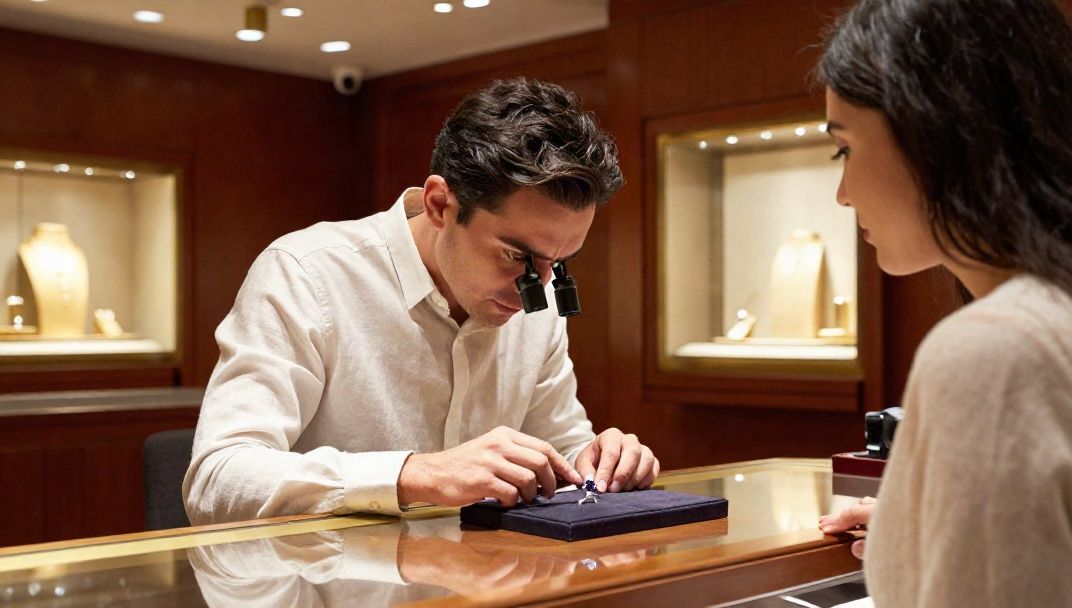
If you're thinking about selling an old gold ring, broken chain, bracelet, wedding band, or inherited jewelry, one question probably matters more than anything else: How much will a gold buyer actually pay me for my gold? The answer isn't a single percentage or dollar amount. How much a gold buyer pays depends on several factors, including the weight of your jewelry, gold purity, current gold market price, type of item, refining considerations, resale potential, and the buyer's business model.
At St. Louis Gold Buyers & Jewelry Center, we believe customers should understand how an offer is determined before deciding whether to sell.
If you're searching for “how much do gold buyers pay,” “how much is my gold worth,” “gold buyers near me,” or “where can I sell gold in St. Louis?”, here's what you should know.
What Determines How Much a Gold Buyer Will Pay?
The value of gold jewelry generally starts with three major factors:
Weight + Purity + Current Gold Market Price
However, that is only the beginning.
A professional jewelry buyer should also determine whether your item has additional value beyond its precious-metal content.
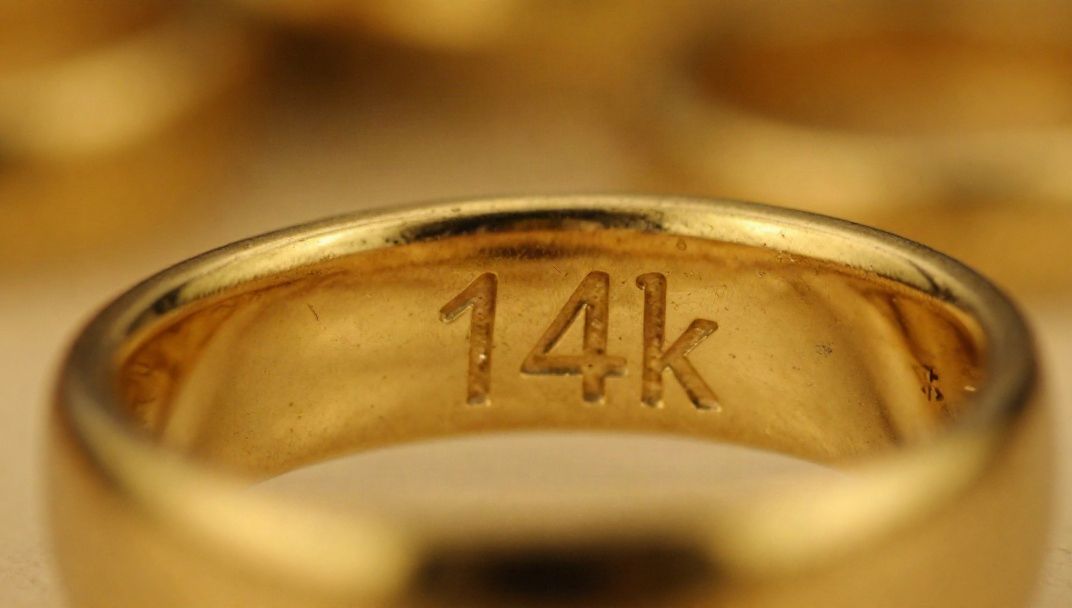
For example, a broken 14K chain may primarily derive value from its gold content.
A signed designer bracelet, quality diamond ring, collectible piece of estate jewelry, or luxury watch may deserve a completely different evaluation.
Factor #1: How Much Does Your Gold Weigh?
Weight is one of the most important parts of determining gold value.
Gold jewelry may be weighed in:
- Grams
- Pennyweights (DWT)
- Troy ounces
These are simply different units of measurement.
One pennyweight equals approximately 1.555 grams.
Twenty pennyweights equal one troy ounce.
One troy ounce equals approximately 31.1035 grams.
Using grams instead of pennyweights does not inherently change the value of your gold.
The important thing is that the jewelry is weighed accurately and the correct conversion is used.
Factor #2: What Karat Is Your Gold?
Not all gold jewelry contains the same percentage of pure gold.
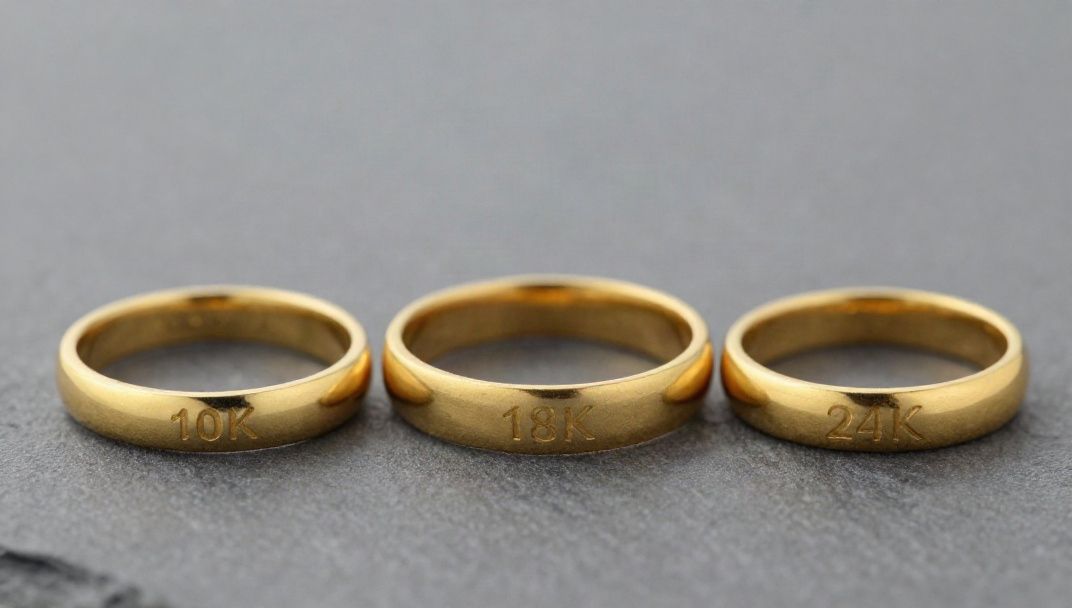
Common gold purities include:
10K — approximately 41.7% gold
14K — approximately 58.3% gold
18K — 75% gold
22K — approximately 91.7% gold
24K — essentially pure gold
This matters because two chains weighing exactly the same can contain very different amounts of actual gold.
If one chain is 10K and the other is 18K, the 18K chain contains a much higher proportion of gold.
That generally means it has greater intrinsic precious-metal value when all other factors are equal.
Factor #3: What Is the Current Gold Spot Price?
Gold trades in global markets, and its price changes over time.
The spot price of gold is an important benchmark for determining the value of fine gold.
However, the quoted spot price should not automatically be interpreted as the amount a buyer will pay for jewelry.
Why?
Because most jewelry isn't pure gold.
A 14K ring, for example, contains approximately 58.3% gold by theoretical karat proportion.
The remainder consists of alloy metals.
Therefore, you cannot simply take the total weight of a 14K ring and multiply it by the full fine-gold spot price.
Purity has to be considered.
How Is the Gold Value of Jewelry Calculated?
A simplified educational calculation starts with:
Jewelry Weight × Gold Purity = Theoretical Fine-Gold Content
The fine-gold content can then be compared with the appropriate current gold market value.
For example, imagine two pieces of jewelry that each weigh 20 grams.
A theoretical 20-gram piece of 10K gold contains approximately:
20 × 41.7% = 8.34 grams of gold
A theoretical 20-gram piece of 18K gold contains:
20 × 75% = 15 grams of gold
The two pieces weigh exactly the same, but their fine-gold content is dramatically different.
This is why asking “How much do you pay per gram?” without specifying the karat doesn't provide enough information.
Do Gold Buyers Pay the Full Spot Price?
Generally, a gold buyer cannot purchase ordinary scrap jewelry at 100% of its theoretical fine-gold market value and operate sustainably.
The buyer may need to account for:
- Testing
- Sorting
- Refining
- Assaying
- Processing
- Transportation
- Insurance
- Market fluctuations
- Refinery settlement
- Business operating expenses
A professional gold-buying business also needs a margin.
The important issue for a seller is not simply whether an advertisement says “high percentage of spot.”
You should understand what weight, purity, and market price are actually being used to calculate the offer.
What Percentage of Gold Value Should I Expect?
There is no single percentage that every legitimate gold buyer pays.
Payouts can vary based on:
- Quantity
- Karat
- Type of item
- Current market conditions
- Refining costs
- Resale potential
- Buyer margins
- Competition
This is why comparing only an advertised percentage can sometimes be misleading.
For example, one buyer might advertise a higher percentage but use a different underlying calculation.
The better approach is to ask:
What does my jewelry weigh?
What purity did you determine?
What market price are you using?
How did you calculate my offer?
Those questions give you useful information.
Why Do Gold Buyer Offers Differ?
You could take the same gold jewelry to several businesses and receive different offers.
Why?
Different buyers have different:
- Overhead
- Refining relationships
- Expertise
- Margins
- Customer volume
- Resale channels
- Business models
A pawn shop, jewelry store, coin dealer, online gold buyer, and specialized jewelry buyer may all approach the same item differently.
Some businesses may primarily focus on the item's scrap value.
Others may have the expertise and resale channels to recognize additional value in certain pieces.
Is a Specialized Jewelry Buyer Different From a Pawn Shop?
The business models can be very different.
Pawn shops frequently provide collateral-based loans in addition to purchasing merchandise.
A specialized jewelry and precious-metal buyer can focus more directly on evaluating items such as:
- Gold
- Silver
- Platinum
- Diamonds
- Coins
- Estate jewelry
- Luxury watches
At St. Louis Gold Buyers & Jewelry Center, our focus is understanding what you actually have and determining the appropriate way to evaluate it.
For sellers, that distinction can matter—especially when an item has value beyond its metal weight.
Is Every Piece of Gold Jewelry Just Scrap Gold?
No.
This is one of the biggest mistakes sellers can make.
Imagine two bracelets containing the same weight of 18K gold.
One is an ordinary damaged bracelet with no meaningful resale demand.
The other is a desirable authenticated luxury designer bracelet.
Treating both pieces solely as scrap could overlook additional value in the second item.
The same can apply to:
- Diamond engagement rings
- Estate jewelry
- Antique jewelry
- Designer pieces
- Luxury watches
- Certain collectible items
Before melting value is calculated, the entire piece should be examined.
Do Diamonds Increase the Amount a Buyer Will Pay?
They can.
Diamond value depends on characteristics including:
- Carat weight
- Cut
- Color
- Clarity
- Shape
- Condition
- Certification
- Natural or laboratory-grown origin
- Current secondary-market demand
A professional jewelry buyer should examine significant diamonds rather than automatically ignoring them.
However, not every diamond has substantial resale value, and the original retail price or insurance appraisal should not be confused with today's cash market value.
Can Broken Gold Jewelry Still Get a Good Offer?
Yes.
Gold does not need to be wearable to have precious-metal value.
You can potentially sell:
- Broken chains
- Bent rings
- Single earrings
- Damaged bracelets
- Broken clasps
- Jewelry with missing stones
- Old wedding bands
- Scrap gold
A broken 14K chain still contains 14K gold alloy.
Damage may affect whether the item has value as wearable jewelry, but it does not automatically eliminate its underlying precious-metal content.
Does Old Gold Lose Value?
Gold doesn't become worthless simply because the jewelry is old.
In fact, an old piece may fall into one of several categories.
It might be:
- Valuable primarily for gold content
- Desirable estate jewelry
- Vintage jewelry
- Designer jewelry
- Collectible
- Set with valuable diamonds or gemstones
This is another reason inherited jewelry should be evaluated before being sold or discarded.
Should I Remove Diamonds Before Selling Gold?
Usually, don't start dismantling jewelry yourself.
Removing stones incorrectly can:
- Damage the diamond
- Chip gemstones
- Damage the setting
- Destroy designer value
- Reduce resale potential
Bring the piece in intact and allow an experienced professional to evaluate it first.
If separation is appropriate, that can be discussed during the evaluation.
Should I Clean My Gold Before Selling It?
You generally don't need to aggressively clean jewelry before bringing it to a buyer.
Gold value isn't determined by how shiny the piece is.
Inappropriate cleaning can also damage certain gemstones, antique finishes, plated surfaces, or delicate pieces.
Bring the jewelry as it is.
Should I Bring My Old Appraisal?
Yes, if you have it.
Documentation can provide useful information, particularly for:
- Diamonds
- Designer jewelry
- Luxury watches
- Estate pieces
Bring:
- Appraisals
- Receipts
- Diamond grading reports
- Original boxes
- Certificates
- Designer paperwork
- Watch papers
However, an appraisal does not automatically represent today's cash resale value.
You can still have jewelry evaluated without paperwork.
How Do We Determine What Your Gold Is Worth?
At St. Louis Gold Buyers & Jewelry Center, we evaluate your items based on what you actually have.
Our process may include:
Identifying the Metal
We determine whether your item contains gold, silver, platinum, palladium, or another material.
Testing Purity
For gold, we determine the applicable karat or fineness.
Weighing the Item
We accurately weigh the applicable precious-metal material.
Reviewing Current Market Prices
We consider current precious-metal pricing.
Examining Diamonds and Gemstones
Stones are evaluated when they may contribute additional value.
Looking for Resale or Designer Value
We don't want to automatically treat a potentially desirable piece as ordinary scrap.
Explaining the Offer
Most importantly, we explain the factors that contribute to your offer.
We believe customers should understand the transaction before deciding whether to sell.
Why Transparency Matters When Comparing Gold Buyers
If you're comparing gold-buying offers, don't compare only the final dollar amount.
Pay attention to the process.
Ask:
- Was the jewelry tested?
- Could you see the weight?
- Was the karat explained?
- Was current market pricing discussed?
- Were significant diamonds considered?
- Was the offer clearly explained?
A transparent evaluation gives you the information necessary to make an informed decision.
Where Can I Get a Gold Offer in St. Louis?
If you're searching for “how much do gold buyers pay,” “sell gold St. Louis,” “cash for gold St. Louis,” “gold buyers near me,” or “who pays the most for gold in St. Louis?”, visit St. Louis Gold Buyers & Jewelry Center.
We evaluate and buy:
- 10K gold
- 14K gold
- 18K gold
- High-karat gold
- Broken jewelry
- Scrap gold
- Gold-filled material
- Silver
- Sterling silver
- Platinum
- Palladium
- Diamonds
- Estate jewelry
- Gold and silver coins
- Luxury watches
- Other valuables
Our experts evaluate your items in a professional, no-pressure environment and explain the factors influencing your offer.
If you decide to sell, same-day payment is available.
Know What Your Gold Is Worth Before You Sell
The question “How much do gold buyers pay?” doesn't have one universal answer. Your offer depends on what you actually own. The most important factors include: Weight. Purity. Current market price. Diamonds. Designer value. Resale demand. Don't choose a gold buyer based solely on a flashy percentage or advertisement. Choose a buyer who is willing to show you the weight, explain the purity, consider the entire piece, and clearly explain the offer.
At St. Louis Gold Buyers & Jewelry Center, that's exactly what we believe a professional gold-selling experience should look like.
Bring your unwanted gold jewelry to our Saint Ann showroom and discover what your gold may be worth in today's market.